Air India Flight AI171 Crash Black Box & Investigation
Get the latest updates on the Air India Flight AI171 crash, black box findings, investigation progress, and key questions raised by experts.

Kajal Bharti
Travel Researcher with 3+ Years of Experience in Destination Research and Travel Planning.
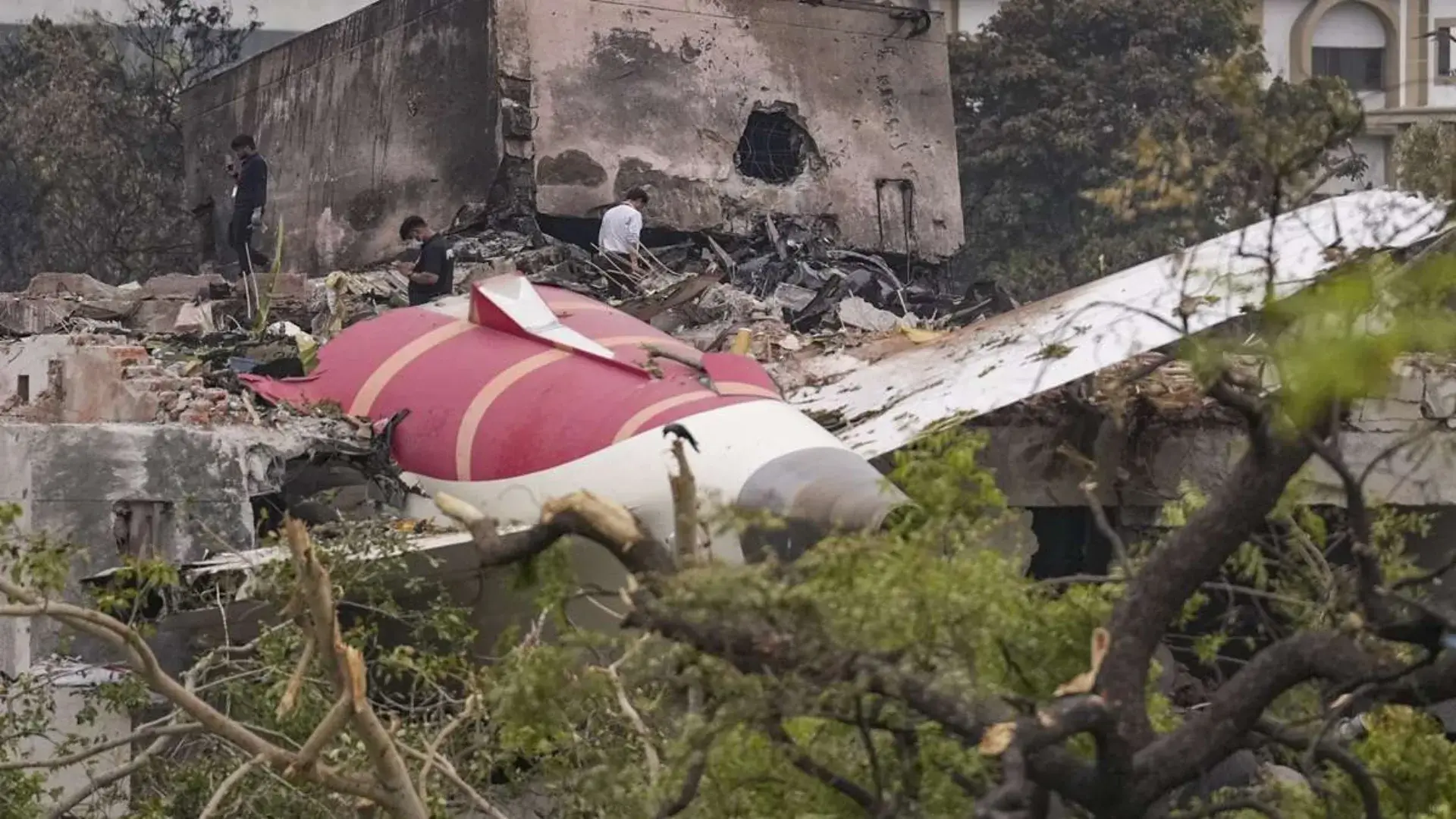
The crash of Air India flight 171 has proven to be one of the most fatal airplane accidents that have taken place in the recent past within India. This Boeing 787-8 Dreamliner crashed soon after taking off from Ahmedabad on June 12, 2025, leading to the loss of lives of 260 people including passengers and crew members.
As per the official release from the authorities and different media sources, the major areas of investigation include the unexplained shutdown of the engines soon after the plane took off, cockpit voice recording, and the setting of the aircraft’s fuel controls.
Flight Details and Aircraft Information
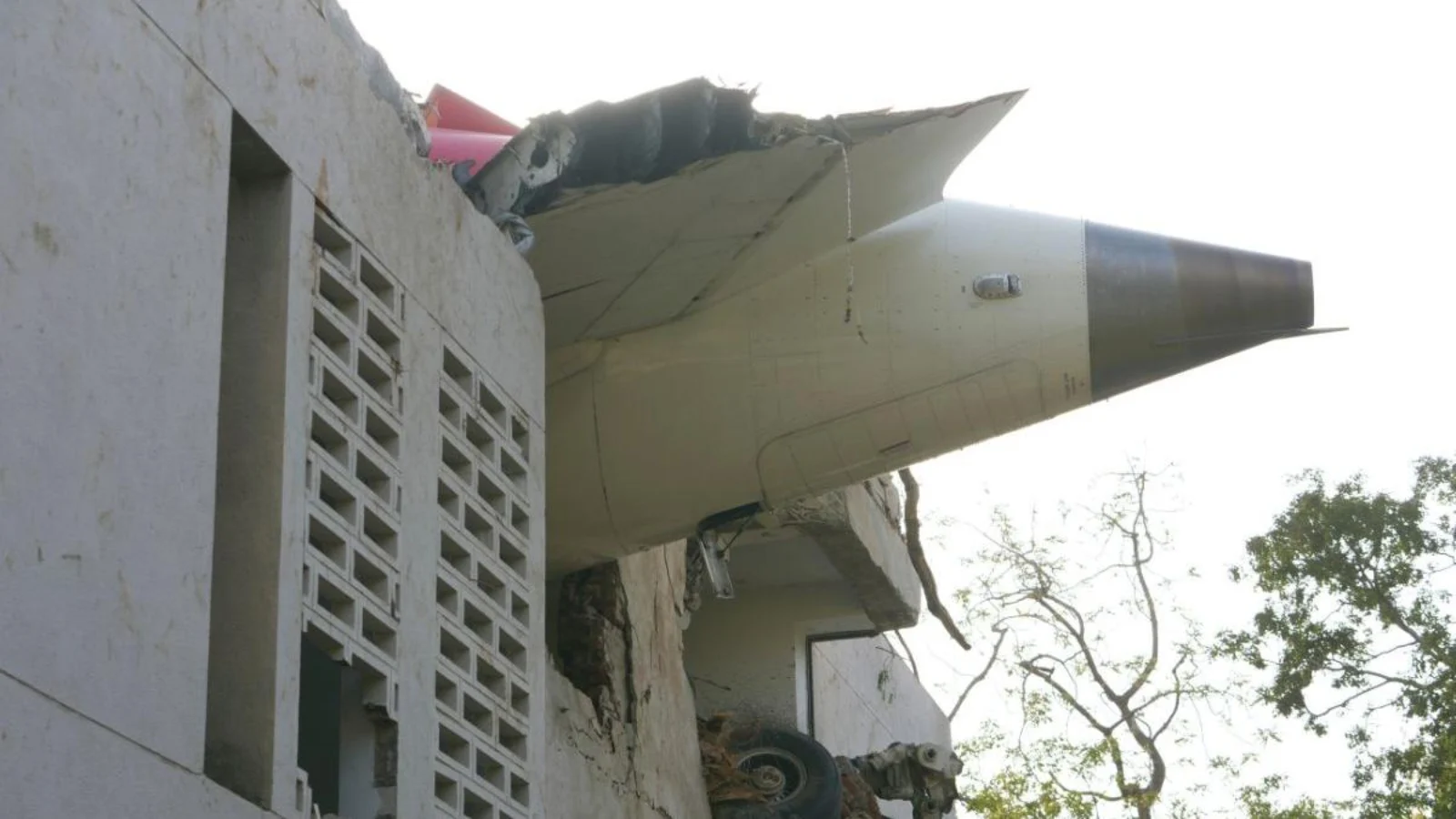
The plane used was the Boeing 787-8 Dreamliner, which was Air India flight number AI171 that was travelling from Ahmedabad to London Gatwick.
Key Flight Data:
Detail | Information |
Flight Number | AI171 |
Route | Ahmedabad to London Gatwick |
Aircraft Type | Boeing 787-8 Dreamliner |
Registration | VT-ANB |
Date of Crash | 12 June 2025 |
Occupants Onboard | 242 |
Passengers | 230 |
Crew Members | 12 |
Survivors | 1 |
Ground Fatalities | 19 |
Total Deaths | 260 |
The crash happened about 32 seconds after the take-off and hit the hostel building at B.J. Medical College, Ahmedabad.
What Happened Before the Crash
From the findings of the preliminary report released by the Aircraft Accident Investigation Bureau of India, it seemed that the aircraft was making a normal takeoff initially.
Sequence of Events:
The plane started its takeoff on runway 23 of Ahmedabad airport.
The rotation happened around 155 knots.
The plane got airborne after 62 seconds of takeoff roll.
Approximately 3 seconds after takeoff, the engine fuel control levers were said to switch from "RUN" to "CUTOFF."
Both engines lost power almost instantly.
The emergency system, including the Ram Air Turbine (RAT), was automatically activated.
The pilots made attempts at restarting the engines.
A distress signal declaring a "loss of thrust" was broadcasted.
The plane subsequently crashed into houses and medical facilities close to the airport.
Black Box and Cockpit Voice Recorder Findings
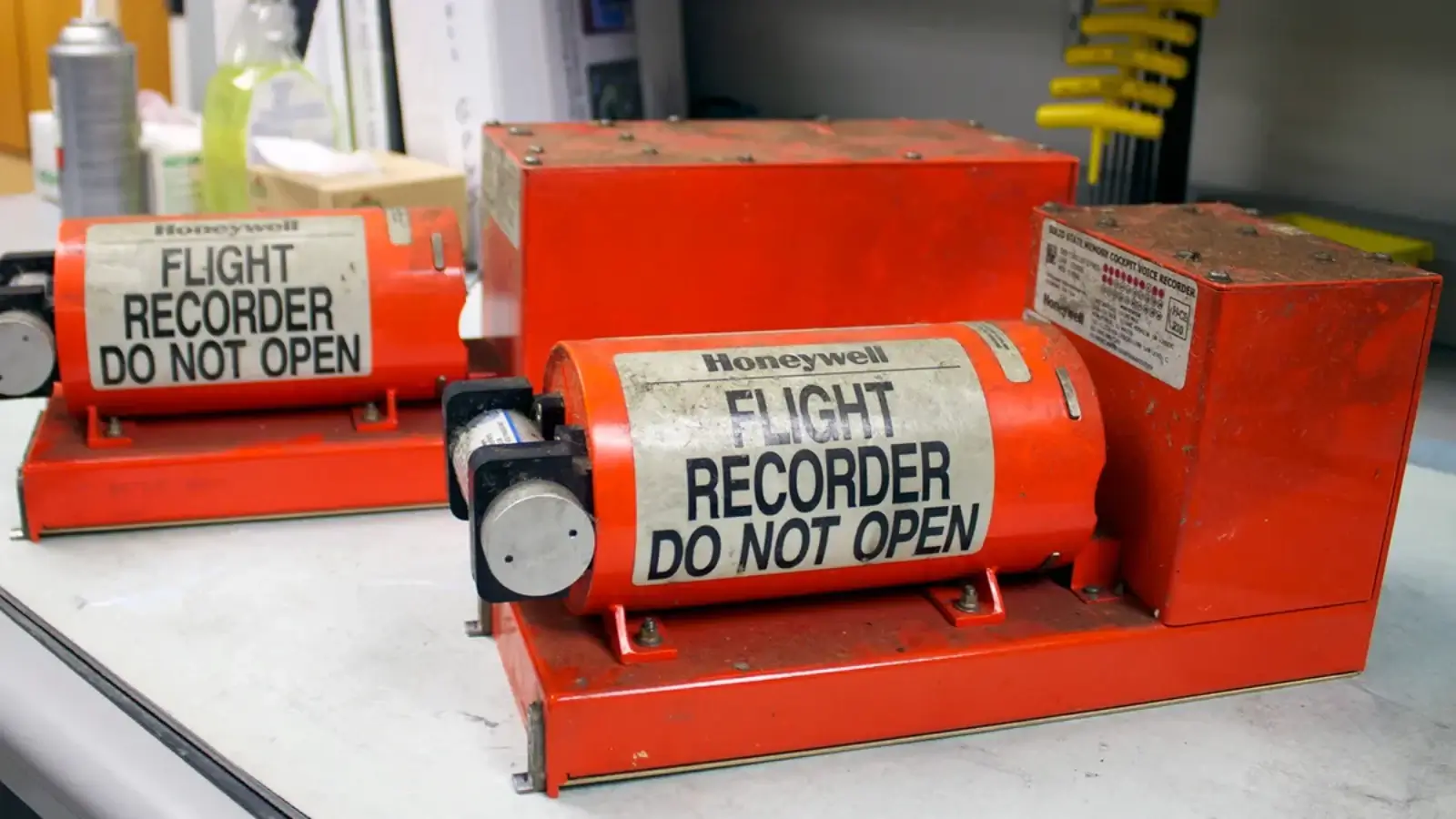
Both the improved airborne flight recorders, popularly known as black boxes, were recovered.
The first black box was recovered after a single day of the accident, while the second black box, which contained cockpit voice recordings, was recovered after some time.
Important Findings
Based on preliminary reports:
Both fuel switches moved from RUN to CUTOFF after about a second from each other.
It was recorded in the cockpit that one of the pilots asked his partner why fuel had been cut off.
The answer of the second pilot was that he did nothing.
Automatic engine recovery attempts were made after switching switches from CUTOFF to RUN.
One engine supposedly began gaining power before impact.
That cockpit conversation became one of the key points in the accident investigation.
Main Investigation Focus
Investigators are examining several scenarios concerning how both engines simultaneously lost their fuel supply.
Fuel Control Switch Movement
The most significant concern continues to be centered around engine fuel switch manipulation.
According to the initial report, the switching was done immediately after the aircraft took off. The investigation team is trying to find out if the switching was:
By mistake
Caused by mechanical failure
Done electronically
Deliberate act by someone
Aviation experts commented that engine shut-down at the same time is very uncommon during take-off.
Possible Electrical System Anomaly
Aviation organizations and pilot unions referenced reports which highlighted the possibility of an electrical problem in the Boeing 787.
It was reported that the Federation of Indian Pilots had speculated that there could be electrical anomalies impacting the engine control systems or fuel systems.
Nevertheless, this has not been confirmed by any investigation to date.
FAA Warning Linked to Fuel Switches
The investigation also took into consideration a 2018 notice issued by the Federal Aviation Administration (FAA) of the United States.
The bulletin indicated that the fuel switch locking mechanism of some Boeing planes could possibly become unlocked under certain conditions. The advisory, while not obligatory, had apparently not been undertaken by Air India.
This particular area is currently under review by the investigators.
Casualties and Damage
The impact of the crash destroyed everything both on board and on land.
Human Losses
Category | Deaths |
Passengers and Crew | 241 |
Ground Victims | 19 |
Total Fatalities | 260 |
Additionally, over 60 people on the ground sustained injuries following the crash of the plane into buildings of B.J. Medical College.
International Investigation Teams Involved
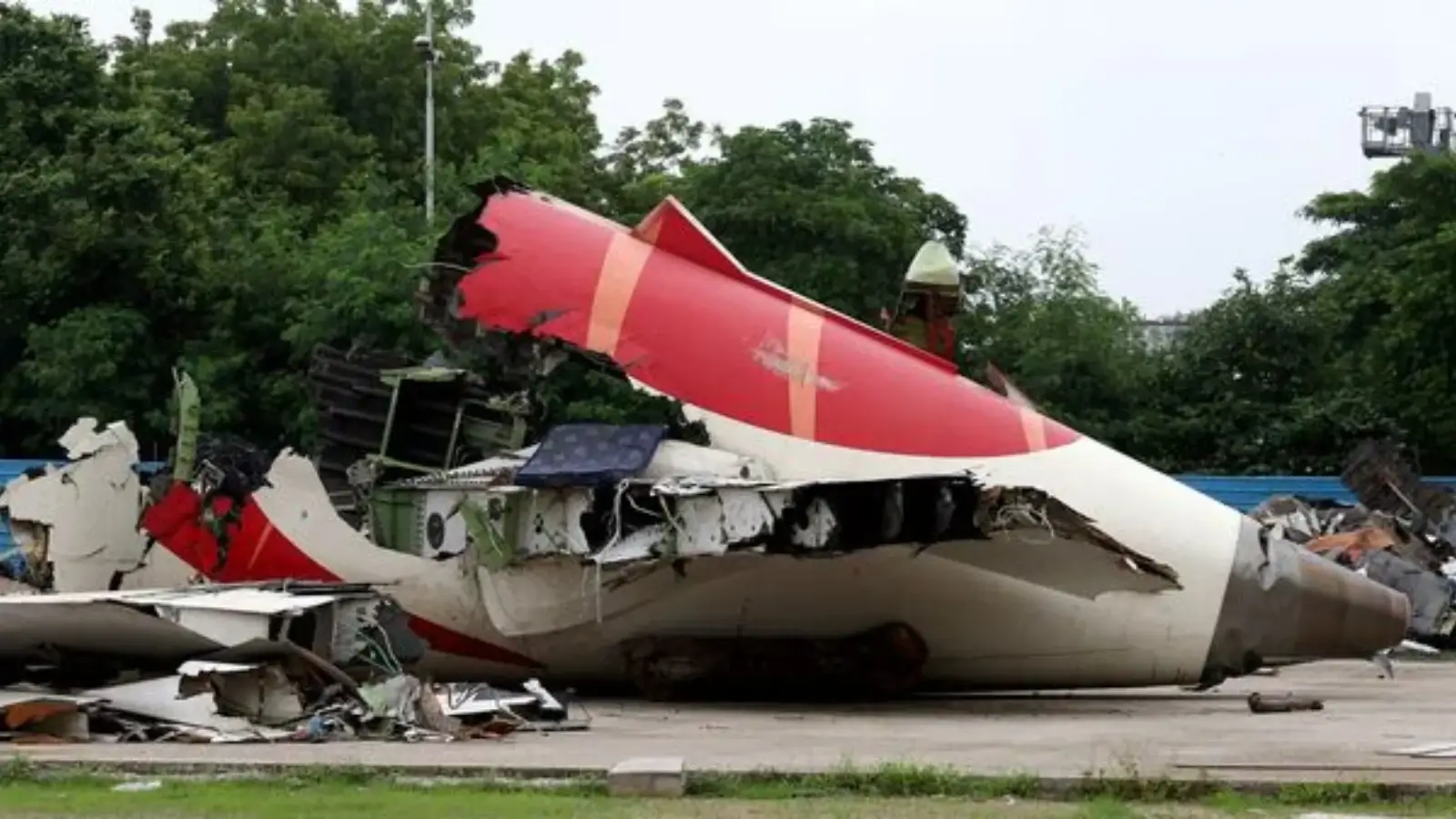
The investigation was made an international affair owing to the nature of the aircraft maker and different nationalities among the passengers.
Participating Organizations
India: Aircraft Accident Investigation Bureau (AAIB)
USA: National Transportation Safety Board (NTSB)
Federal Aviation Administration (FAA)
United Kingdom: Air Accidents Investigation Branch (AAIB UK)
Engineers from GE Aerospace
The teams are collaboratively analyzing information about flight recorders, engine performance, maintenance records, and communication inside the cockpit.
Aircraft Maintenance and Technical History
Additionally, the investigators considered the history of maintenance on the aircraft.
Technical Aspects
Aircraft supplied to Air India in 2014
More than 41,000 flight hours on the airframe
Engines had been fitted only a few months prior to the crash
Fuel switch problems had apparently not been logged before
Replacement of throttle control modules had occurred in previous years due to other issues
According to the current report, there have been no mechanical malfunctions found.
Pilot Experience
The crew of the plane consisted of seasoned pilots of the aviation industry.
Pilot | Flight Hours |
Captain Sumeet Sabharwal | Approx. 15,600 flight hours |
First Officer Clive Kunder | Approx. 3,400 flight hours |
It is believed that the first officer was piloting the aircraft during takeoff, whereas the other captain was handling systems and communication duties.
Aviation Industry Reaction
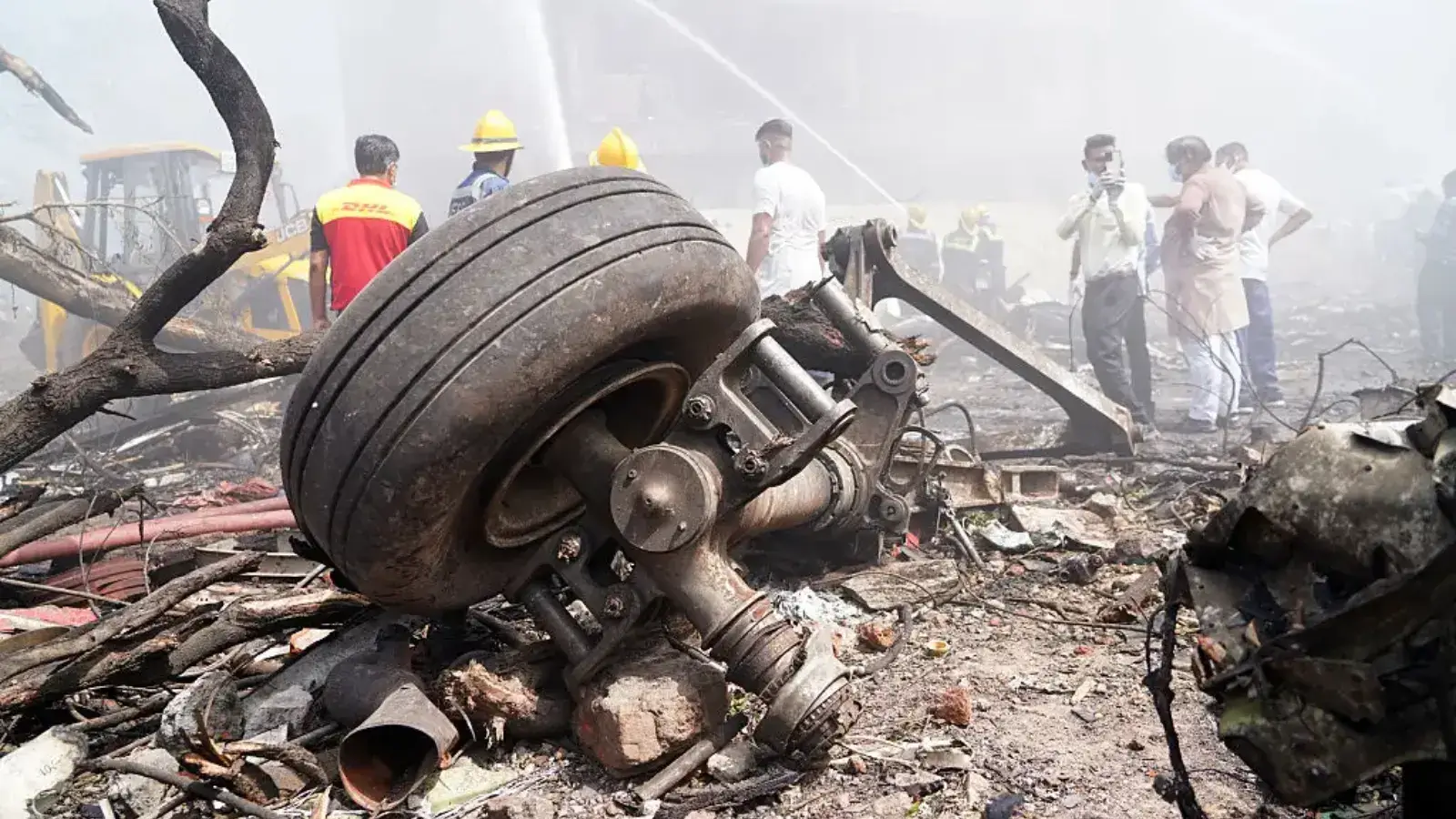
This incident shook the world of commercial aviation since this was the first fatal accident of the Boeing 787 Dreamliner since the aircraft entered service in 2011.
Post this accident:
More detailed inspections of all Boeing 787s in the Air India fleet were mandated.
Detailed checks of engine and fuel control systems were ordered by authorities.
Pilots' associations insisted on an extensive technical investigation before determining fault.
Current Status of the Investigation
The Indian Minister for Civil Aviation has mentioned that the investigation is nearing its completion, and it may be completed sooner.
As of now:
The final cause is yet to be declared officially.
Analysis of cockpit recordings and behavior of the systems is ongoing.
Discussions are still on whether it was due to the actions of humans, technological malfunction, or systems' error.
Conclusion
The disaster involving Air India flight 171 is among the worst airline accidents ever witnessed in India. Initial reports have revealed that fuel starvation in the two engines occurred only a few seconds into the flight. Current investigations are concentrating on the cockpit tapes, fuel switches, electrical problems, and airplane systems.
Despite many theories that have been presented, aviation officials have not made an official statement. The final report is expected to show the precise sequence of failure and responsibility for the catastrophe.

About

EraEase brings practical guides on travel, automotive, e-commerce, and education, helping you simplify choices and make smarter decisions.




Newsletter
Subscribe now to stay updated with top news!
Subscribe to our newsletter and be the first to access exclusive content and expert insights.
By clicking the Subscribe button, you acknowledge that you have read and agree to our Privacy Policy and Terms & Conditions