Plan Your Personal Itinerary Today
Loved this destination? Make it your next adventure.
Turn your travel inspiration into a personalized itinerary built around your dates, budget, and interests.
Plan Your Personal Itinerary →Plan a safe trip to Armenia with this 2026 travel advisory covering tourist safety, local conditions, border areas, travel tips and essential things to know.

Kajal Bharti
Travel Researcher with 3+ Years of Experience in Destination Research and Travel Planning.
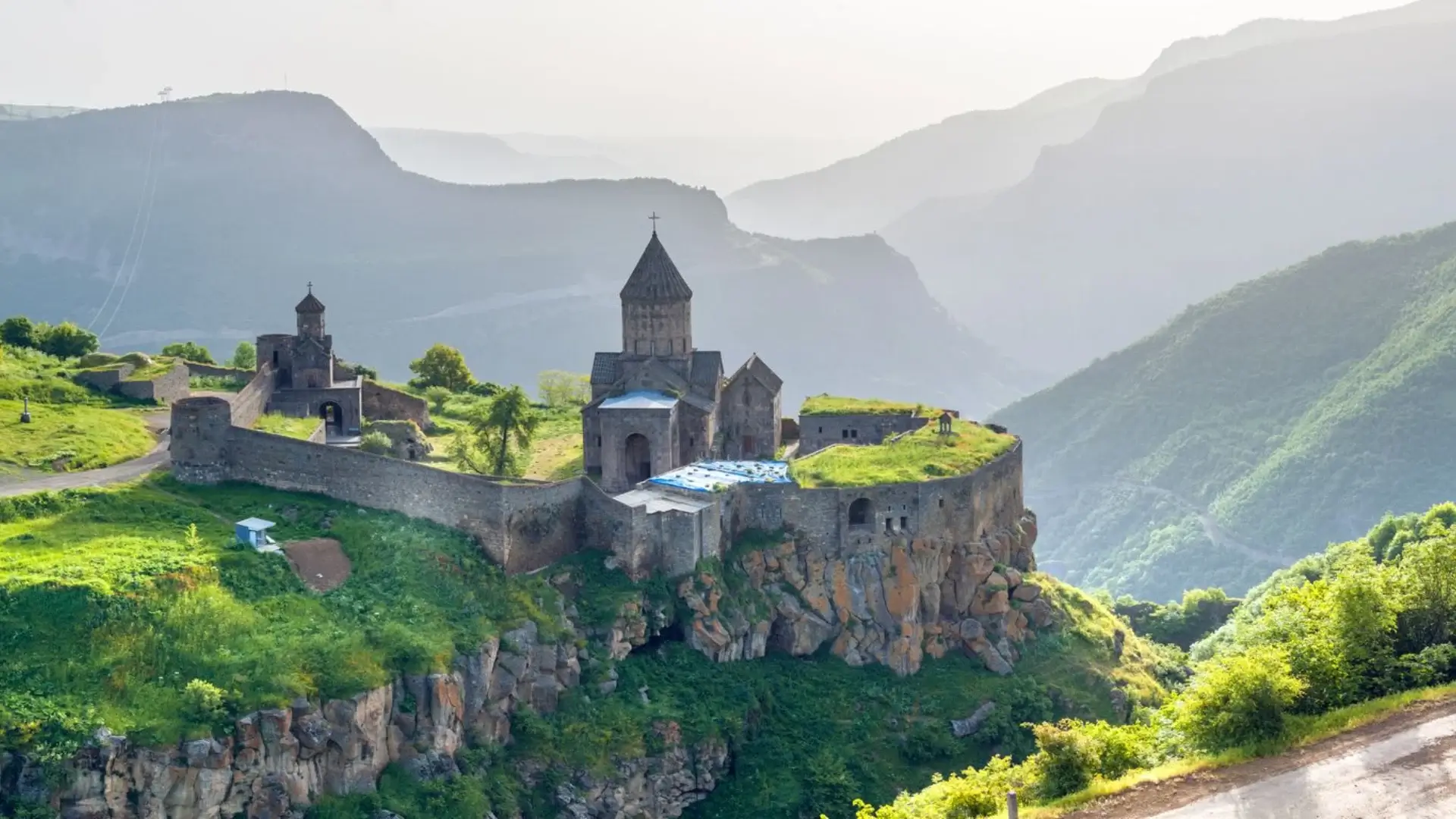
Armenia has become one of the most discussed destinations in the Caucasus region because of its monasteries perched on cliffs, a bustling capital city, and mountainous landscapes. However, considering its position amid an unresolved border conflict, people wonder, Is Armenia really safe to visit? This manual highlights the updated Armenia travel advisory guidelines provided by the US, UK, Canadian, Australian, and Indian governments, along with safety measures, visa requirements, and the most secure locations to visit in 2026.
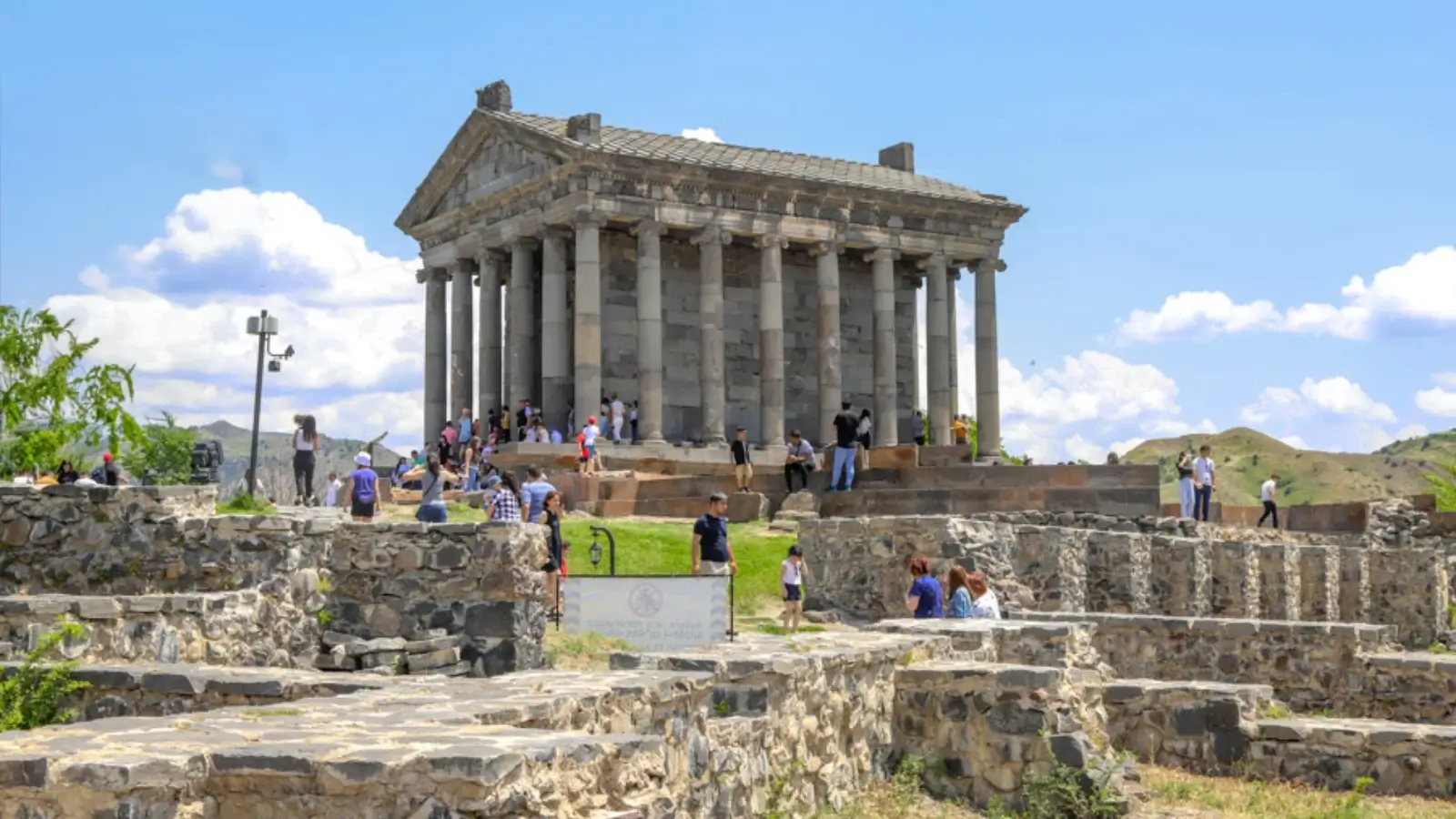
In summary, the situation presented by Western governments is quite encouraging for those who adhere to the usual tourism route. The issues of Armenia travel safety have a geographic specificity, being localized around the Azerbaijan border.
Yerevan, Sevan Lake, Dilijan, and monastery complexes are located far away from flagged regions and experience considerable tourist flows without any problems.
Armenia travel restrictions primarily affect Syunik and Gegharkunik regions, and closed border areas with Azerbaijan and Turkiye.
Indian citizens must consult the Embassy in Yerevan for the latest information, as the country's advisories have earlier discouraged visits to areas beyond its major cities amid times of tension.
For the most recent Armenia travel updates, make sure to bookmark the government’s websites because travel advisories are regularly updated and can change suddenly.
Country | Overall Advisory Level | Specific “Avoid” Zones |
United States | Level 2 - Exercise Increased Caution | Border region with Azerbaijan (Level 4 – Do Not Travel) |
United Kingdom | Advises against travel to parts of the country | Within 5 km of the Azerbaijan border; M16/H26 road (Ijevan-Noyemberyan) |
Canada | Take Normal Security Precautions | Within 1 km of the eastern Azerbaijan border; M16/H26 road |
Australia | Check current Smartraveler listing before travel | Border and conflict-adjacent zones historically flagged |
India (Embassy Yerevan) | Advice issued in times of strained relations | Traveling outside major cities discouraged during such times |
Always check the current status on your country's official website because advisories may be updated from time to time without prior notice.
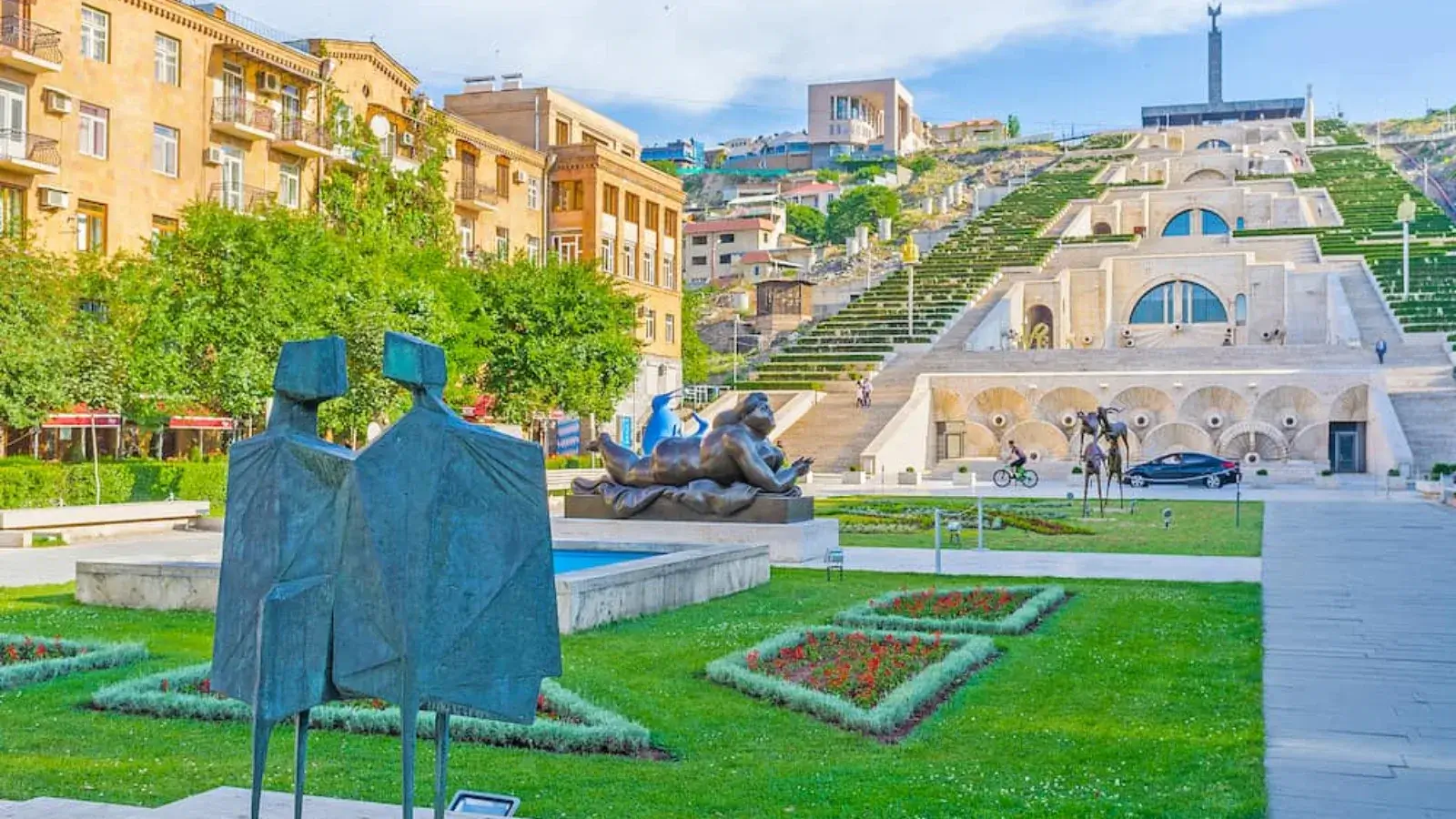
The level of violence in Armenia is very low compared to other countries in the world. There is no indication that the country experiences any violent crime problems that travelers face.
Petty Crime: Pickpocketing, bag snatching, and theft from parked vehicles are common in marketplaces and overcrowded areas.
Tourist scams: Excessively friendly individuals around ATMs and exaggerated bar charges after receiving unsolicited drink invitations.
Precautions: Do not show off expensive stuff, use hotel/booked cabs through apps, be careful around crowds.
Isolated Reports: There are some warnings that point out harassment by local authorities, which is uncommon for average tourists.
Armenia entry requirements are quite straightforward for most nationalities, especially when it comes to visa-free entry for many passport holders. Armenian visa requirements include passport validity, an e-visa for some nationalities, and a currency declaration policy; mentioned here is what to check before booking your trip.
Requirement | Details |
Visa-free stay | Up to 180 days for most Western passport holders |
Passport validity | Valid for 6+ months beyond planned departure date |
E-visa | Required for select nationalities; apply via Armenia’s MFA portal |
Cash declaration | Mandatory if carrying more than USD 10,000 equivalent |
Dual nationals (Armenian) | May need to enter/exit on an Armenian passport; military service rules may apply |
Registration | Required with police if staying longer than 180 days |
The popular sites of Armenia are well protected from any border conflicts and are located near Yerevan and the central highlands. From coffee shops in the cities to old monasteries, the destinations mentioned below provide culture without raising any security issues for tourists.
Yerevan
Lake Sevan
Garni Temple
Geghard Monastery
Dilijan National Park
Destination | Distance from Yerevan | Best For | Safety Level |
Yerevan | (capital city) | City life, cafés, museums | Very safe, well-policed |
Lake Sevan | 1 hour | Beaches, lakeside villages | Very safe |
Garni Temple | 45 minutes | Ancient architecture, gorge views | Very safe |
Geghard Monastery | 1 hour | UNESCO monastery, religious heritage | Very safe |
Dilijan National Park | 1.5–2 hours | Hiking, forests, mountain air | Safe (use guides for remote trails) |
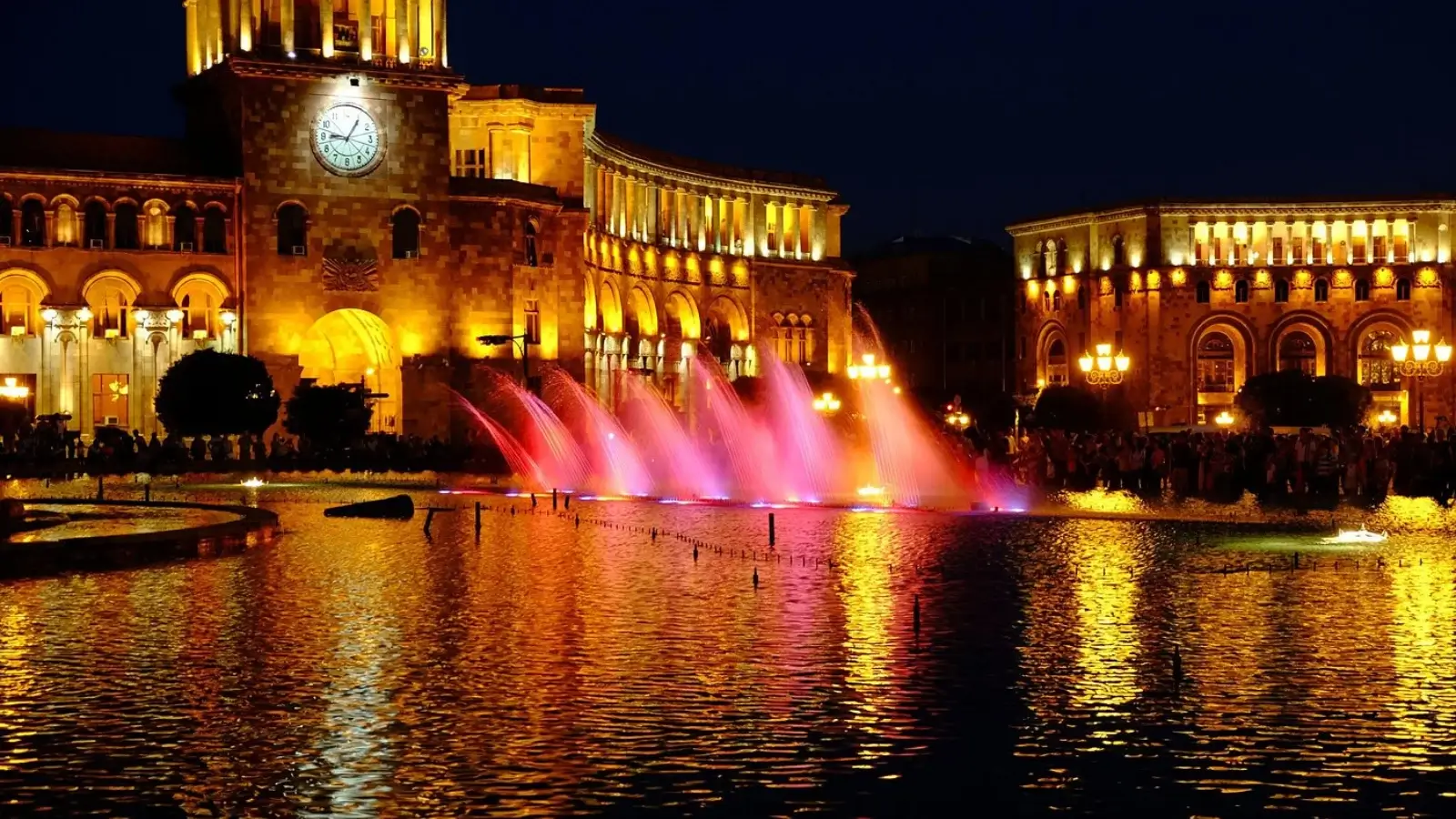
Most trips to Armenia include travel to Yerevan, a city with a pink tinge, featuring broad boulevards, cafes, and Soviet-era buildings amid an ancient city. Yerevan travel is always ranked as safe and walkable by tourists who visit the city.
How safe is it at night? The city center remains vibrant and well-lit during evenings; however, it is advisable to stay away from dimly lit back streets at night.
Best way to get around? Ride-hailing apps or metro trains can be your best options instead of taxi rides from the streets.
Lake Sevan is considered one of the highest-altitude lakes around the globe, which has beaches, mountain monasteries, and little lakeside settlements, making it a perfect place for a day trip or an overnight stay from Yerevan.
Is swimming safe? Yes, although the water can be cool during summer, too; swim only in swimming zones.
Any road concerns getting there? The road leading from Yerevan is in good condition, but traveling at night should be avoided.
Garni Temple is the only Greco-Roman colonnaded building in Armenia, located atop a gorge, which can be visited along with Geghard on the same day.
Is the site well-managed for tourists? Yes, there are distinct pathways, ticket counters, and a constant influx of people there.
Anything to watch for? Protect the rim of the gorge viewpoint, particularly around children.
Geghard Monastery is an important UNESCO World Heritage site that has been partially sculpted out of rock in the mountainside, and is also considered one of the most evocative religious locations in Armenia.
Is it accessible for casual visitors? Yes, there is a paved road that leads straight to the site without any required permits.
What should visitors respect? Dress conservatively and behave calmly, because it is still a place of active worship.
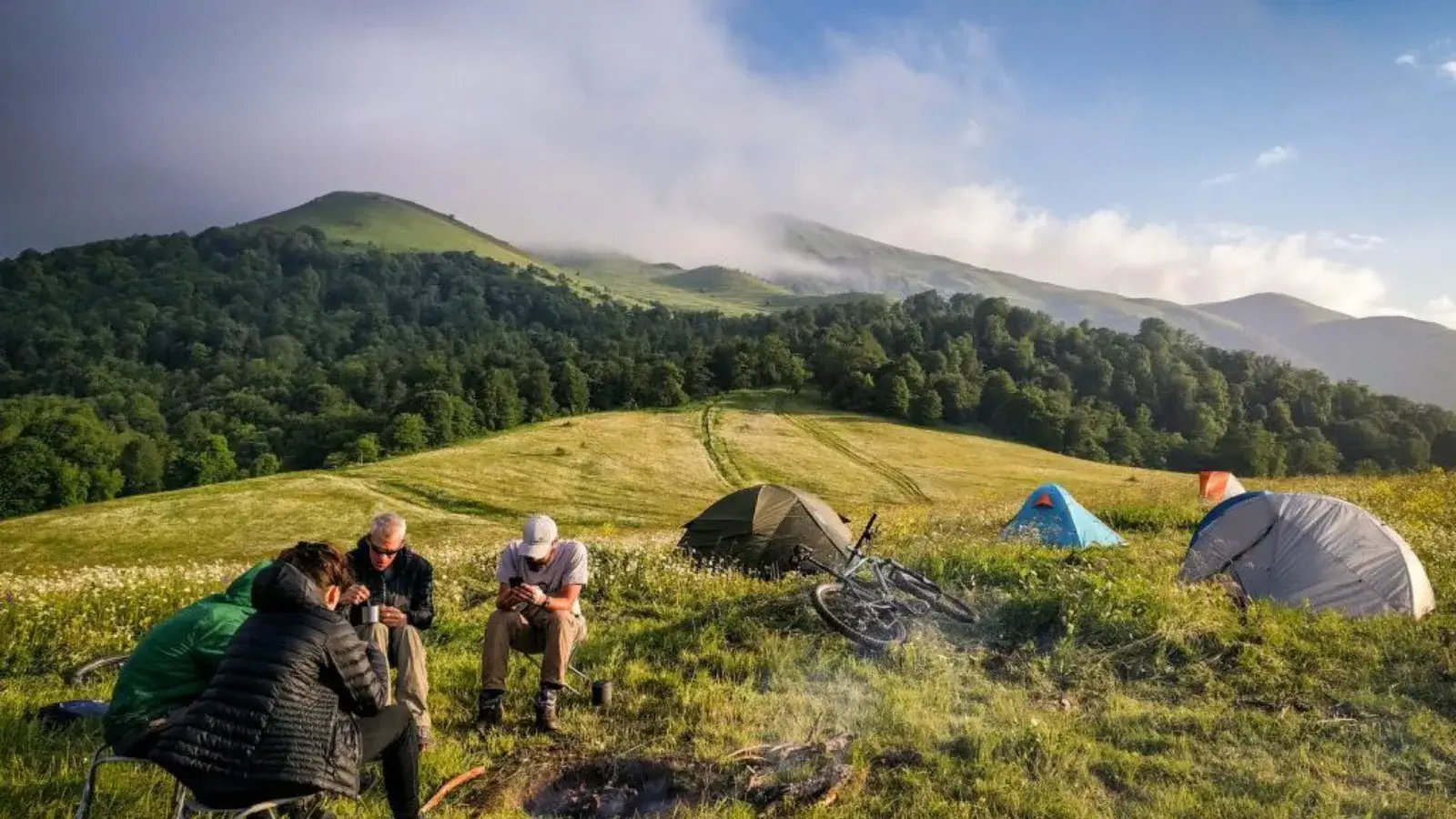
Dilijan National Park is known as “Switzerland of Armenia” because of its wooded hills and mountain climate, providing an opportunity to walk around and visit monasteries without the hustle of the capital city.
Are trails clearly marked? Some are; the farther ones should be undertaken with a local guide.
Is it a good base for a few nights? Yes, guest houses and small hotels abound in Dilijan town.
To summarize, Yerevan, Lake Sevan, Garni, Geghard, and Dilijan are some of the safest destinations for tourists to visit. Adhering to the latest Armenia travel advisory and avoiding contentious border regions will make your trip a pleasant one.
All the major government advisories point to the same eastern or southeastern border region. If you avoid this region, then you are well outside the zones of concern:
Area | Concern | Recommendation |
Armenia–Azerbaijan border (within 1–5 km) | Ceasefire violations, landmines | Avoid entirely |
M16/H26 road (Ijevan–Noyemberyan) | Border tensions, past incidents | Avoid; use alternate routes |
Syunik region (east of Goris, south of Kapan) | Proximity to frontier | Non-essential travel discouraged |
Gegharkunik region (east of Vardenis) | Proximity to frontier | Non-essential travel discouraged |
Armenia–Türkiye border | Fully closed | No legal crossing available |
Yeraskh village (Ararat region) | Transit corridor | Passing through allowed; do not stop |
Some straightforward practices such as document backup, insurance, and knowledge of local regulations can help mitigate all the dangers that tourists face while visiting Armenia, irrespective of which part of the country you intend to visit.
A few simple practices go a long way in Armenia:
Make copies of your passport and visa (both hard and soft copies), as the police may request to see your ID.
Do not take photographs of military facilities, border installations, or government structures; that is against the law even for drones.
Have small change with you because many of the vendors and taxi drivers cannot make change for big bills.
Take full travel insurance which would cover medical evacuation, especially if you’re going to rural or mountainous regions.
Sign up for a traveler registry in your home nation (such as the United States STEP Program). This way, the embassy will be able to contact you in an emergency situation.
Some simple steps like keeping copies of documents, purchasing travel insurance, and adhering to regulations can help you have a smooth journey. Consider the Armenia travel advisory and prepare yourself for a safe journey.
Selecting the proper place to stay is as important as selecting the proper location. With reliable services, positive feedback, and even verifying that there are some basic facilities, you can be assured of having a base to explore Armenia.
Make hotel/guesthouse reservations in Yerevan, Dilijan, Gyumri, and Goris using legitimate websites with clear reviews.
Family-owned guest houses ("B&Bs") are prevalent in the countryside; be sure to verify availability of hot water, winter heating, and locks before making your reservation.
Stay away from unofficial or informal accommodation facilities close to border areas.
Choose accommodation that has a 24-hour reception in case you are traveling alone.
Road safety can be considered a more serious threat than crime and conflict in Armenia. Dangerous driving, badly maintained rural roads, and overloaded minibuses make transport a critical issue.
Mode | Safety Notes |
Self-driving | Aggressive driving is quite common; country roads can lack proper lighting and markings. The possession of an International Driving License and insurance are mandatory. |
Taxis | Abundant in Yerevan. Use credible taxi apps, which charge set rates and have known drivers instead of hailing random taxis off the road. |
Minibuses (“marshrutky”) | Cheap but tends to get crowded easily and has safety issues. Better to stay away from long-distance routes between cities. |
Night driving | Best avoided, especially in rural or border-adjacent areas. |
Road conditions and driver behavior demand extra attention, particularly in rural areas. Travel by means of transport you can trust, avoid any unnecessary night drives, and be sure to check the current Armenia travel advisory before traveling near border-adjacent areas.
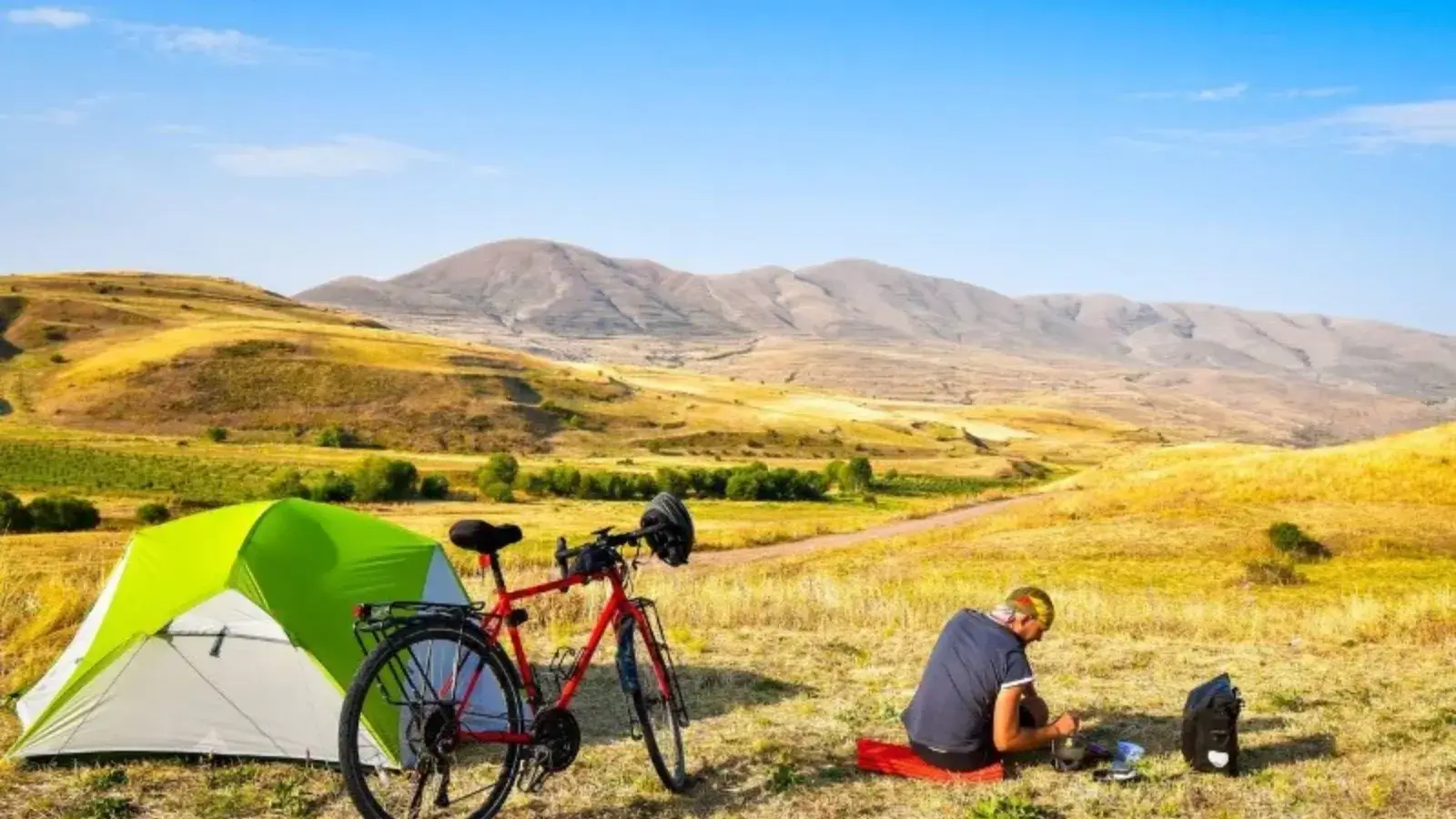
The size of Armenia and the hospitality of its people make it easy for an individual to explore. Most visitors have had positive encounters, although some general guidelines must be followed while moving out of Yerevan’s downtown area.
Solo travelers, such as backpackers, usually have pleasant experiences.
The compact nature of Yerevan provides convenient access for making excursions to places like Garni, Geghard, and Sevan in just one day.
Yerevan hostels are suitable for independent travelers. The locals are noted for their hospitality.
Share your itinerary with someone at home.
Do not venture out on solitary hiking routes without someone guiding you.
Exercise caution when getting help from strangers, especially at the ATMs.
Considered safe in urban areas and key tourist locations.
Some travel warnings mention instances of harassment outside the tourist regions.
Dress appropriately while visiting religious places.
Do not walk alone at night in any strange places.
Select accommodations that have received good feedback from other women travelers.
Use ride-sharing apps rather than taxi services at night.
Think about group tours to distant areas (for example, monasteries of Syunik, Dilijan hikes) rather than traveling alone.
Healthcare facilities in Yerevan are fairly sufficient in terms of routine and emergency care, but in the countryside, such services become scarce, which makes preparation, vaccination, and travel insurance essential before going there.
Health Concern | Recommendation |
Routine vaccines | Ensure MMR, tetanus, and polio vaccinations are up to date. |
Hepatitis A & B | Travelers are advised to take vaccinations based on risk factors and medical recommendations. |
Rabies | Stay clear of stray animals and seek medical care immediately after any bite or scratch. |
Traveler’s diarrhea | Use bottled or filtered water outside Yerevan and avoid untreated tap water. |
Prescription medication | Carry medicines in their original packaging with a doctor’s letter and check their legality in Armenia. |
Medical facilities | Facilities are adequate in Yerevan, though somewhat sparse in the countryside. Travelers must purchase travel insurance that includes emergency evacuation. |
By following the proper vaccination schedule, maintaining safe eating and drinking practices, and having travel insurance coverage, health problems can be avoided effortlessly. Review the current Armenia travel advisory and expect limited availability of healthcare services while traveling in rural areas.
The geography and geological features of Armenia may pose some expected natural threats to tourists. Information on the expected risks of earthquakes, floods, and weather conditions will help tourists plan their vacations well.
Hazard | Details | Tip |
Earthquakes | Armenia is located within an active earthquake area, but there haven't been any significant earthquakes recently. | Know the evacuation routes at your accommodation. |
Flooding | Floods may be expected between March-June and October-November, particularly in the Ararat and Shirak valleys. | Keep an eye on the weather and be prepared for damage to roads or bridges. |
Winter conditions | Snow and ice conditions can make mountain rural roads dangerous. | Avoid rural driving in winter where possible. |
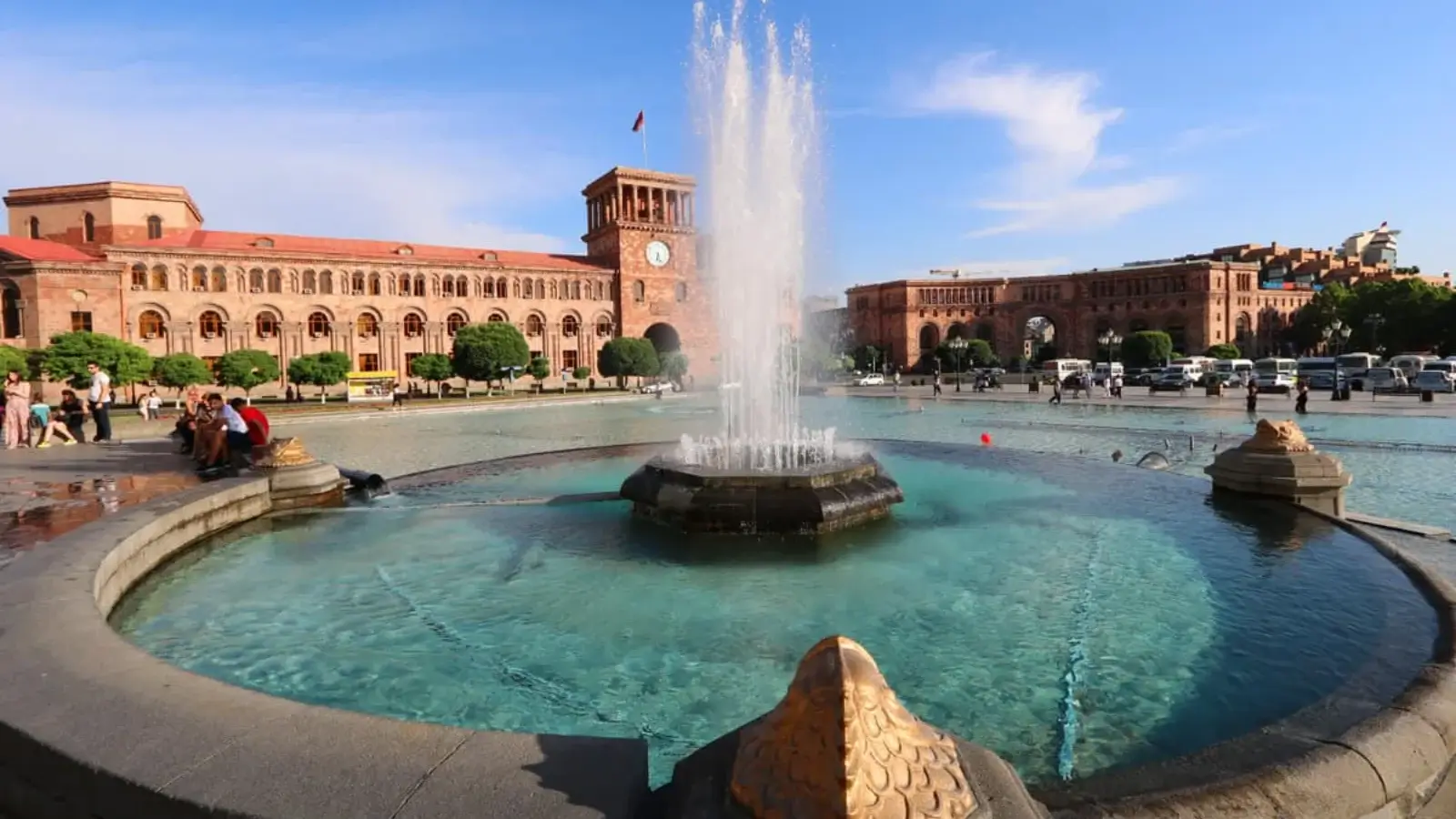
Observing local customs is not only courteous but can actually serve to lower any friction that may arise. Some sensitivity towards local customs regarding attire, behavior, and manners can go a long way.
Armenia is an essentially Christian nation with established traditions, simple courtesy takes you far.
Be modest in your dress at churches/monasteries, cover shoulders and knees. Some places require women to wear headscarves.
Avoid any public display of affection, particularly among LGBTQ people, as society is quite conservative.
Learn some Armenian phrases and give appropriate tips in the restaurants.
Accept the locals’ hospitality gracefully, the Armenians are famous for that.
Be respectful and discreet while taking pictures of locals or religious sites.
Observing local customs, religious practices, and social norms will help you enjoy your stay more. Besides abiding by the Armenia travel advisory, being culturally sensitive allows visitors to appreciate Armenia in a proper manner.
For those visiting Armenia's Yerevan, Sevan Lake, Garni, Geghard, and Dilijan, the Armenia travel advisory continues to be fairly positive. The major security problems are found only close to the Azerbaijani border area. Take standard precautions and ensure you are up-to-date with travel advisories before traveling.
This guide is based on government travel advice as of September 2026. Travel conditions can change rapidly, particularly near the Armenia-Azerbaijan border, so please refer to your national government’s travel advice before your departure.
Travel smarter with useful advice, safety measures, and important travel information. Travel to Armenia without worries, plan your vacation with EraEase!
Is Armenia safe for tourists?
Yes, particularly in places that are popular among tourists. Stay away from border regions and heed existing warnings.
Which is the safest place to visit in Armenia?
Yerevan, Lake Sevan, Garni, Geghard, and Dilijan are the safest places to visit in Armenia.
Is Armenia safe for solo travelers?
Yes. One should exercise normal precautions and stay away from isolated places.
Is driving safe in Armenia?
Yes, driving is safe in Armenia; one should consider road conditions, especially in rural areas. Avoid driving at night unnecessarily.
What should I check before visiting Armenia?
Before visiting Armenia be sure to check the latest Armenia travel advisory, weather forecast, border regulations, and travel insurance coverage.
Plan Your Personal Itinerary Today
Turn your travel inspiration into a personalized itinerary built around your dates, budget, and interests.
Plan Your Personal Itinerary →About

EraEase brings practical guides on travel, automotive, e-commerce, and education, helping you simplify choices and make smarter decisions.
Newsletter
Subscribe to our newsletter and be the first to access exclusive content and expert insights.
By clicking the Subscribe button, you acknowledge that you have read and agree to our Privacy Policy and Terms & Conditions