Plan Your Personal Itinerary Today
Loved this destination? Make it your next adventure.
Turn your travel inspiration into a personalized itinerary built around your dates, budget, and interests.
Plan Your Personal Itinerary →Plan your Croatia itinerary with Dubrovnik, Split and Plitvice Lakes. Discover scenic coastlines, historic towns and travel tips for an unforgettable trip.

Kajal Bharti
Travel Researcher with 3+ Years of Experience in Destination Research and Travel Planning.
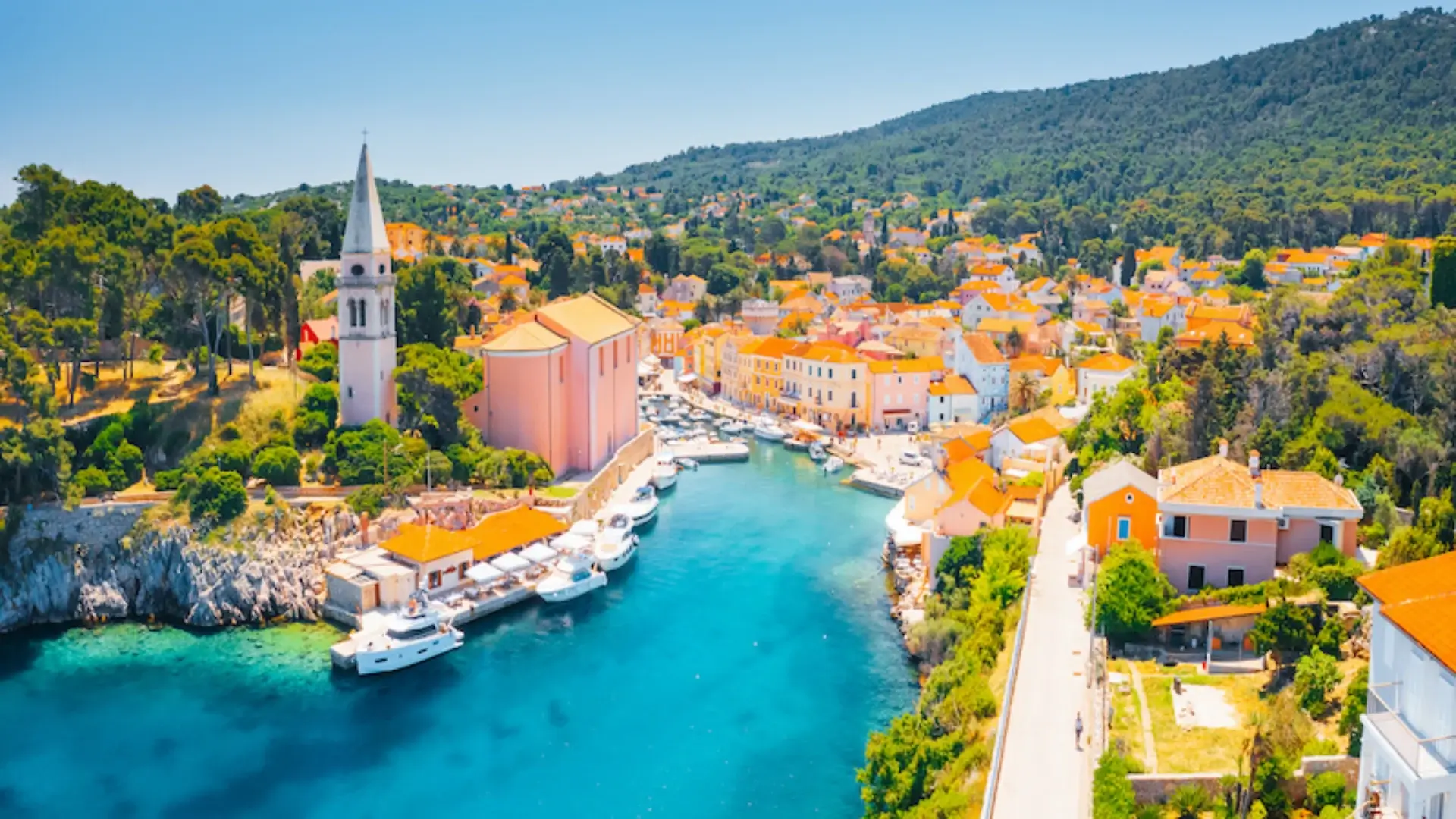
What if one trip gave you Roman palaces you can walk through, island coves clear enough to count the pebbles, and a sunset drink beside walls that have stood for centuries? Croatia does all that, yet it still gets less hype than its Mediterranean neighbors. This Croatia Travel Guide shows you what's worth your time and what most visitors only learn after landing.
A trip this good needs a plan, though. Where should you start, when is the weather best without the crowds, and what will it cost? A solid Croatia itinerary answers all of that before you book, and we've built one for you below.
Category | Details |
Capital | Zagreb |
Language | Croatian (English works in tourist areas) |
Currency | Euro (EUR) |
Time Zone | CET (UTC+1); CEST in summer |
Emergency Number | 112 |
Visa | Up to 90 days visa-free for US, UK and Australian travelers |
Schengen Area | Yes |
Climate | Mediterranean coast, continental inland |
Tap Water | Generally safe to drink |
Getting Around | Ferries, buses, rental cars, Uber and Bolt |
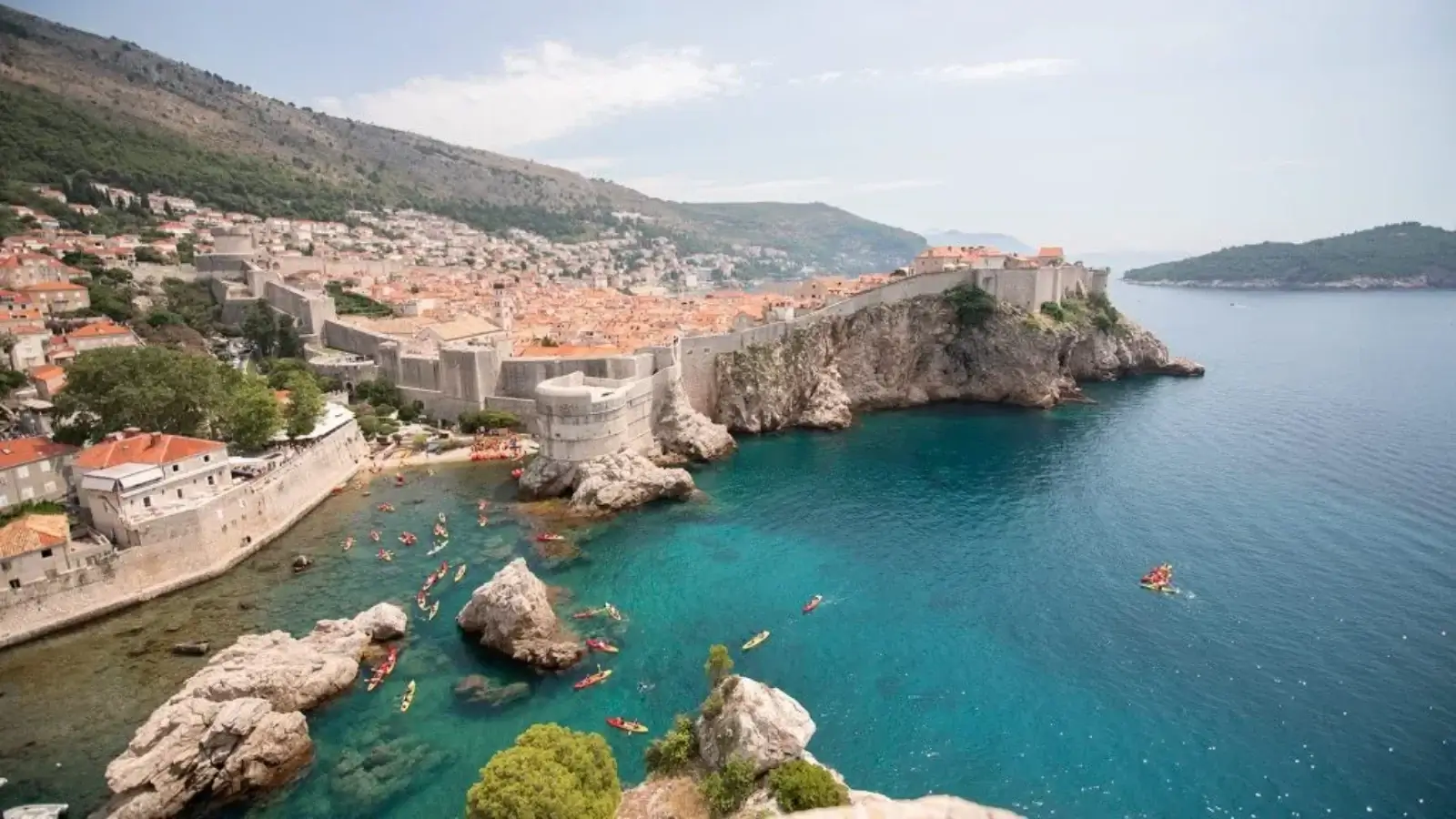
Imagine waking up in a medieval walled town, spending the afternoon jumping off a boat into clear blue water and ending the day with fresh seafood and a glass of local wine. That's an ordinary day in Croatia. It's a small country with a huge variety of things to see, and it works whether you're traveling as a couple, with family, with friends or on your own.
Unreal coastline: Turquoise water and hidden coves along the Adriatic.
1,000+ islands: Hvar, Brac, Korcula, Vis and many more.
History everywhere: Roman palaces and old fortified towns.
Stunning nature: Plitvice's waterfalls and Krka's swimming spots.
Great food: Seafood, Istrian truffles, olive oil and wine.
Easy travel: Euros, Schengen access and solid ferry links.
Pop-culture magic: Dubrovnik played King's Landing.
With some smart Croatia vacation planning, like picking the right season and mapping your route early, the whole trip gets a lot easier.
Yes. Croatia is one of the safer countries in Europe. The UK government describes crime levels as low and violent crime as rare, and Australia's Smartraveller simply asks visitors to use normal safety precautions. That said, it's a popular tourist spot, so it helps to know a few things before you land.
Safety Considerations for Travelers:
Safety Area | What to Know | Stay Safe By |
Petty theft | Pickpockets work crowded spots and beaches. | Hide valuables, use hotel safes. |
Club overcharging | Some coastal clubs inflate bills. | Skip them or check prices first. |
Taxis | Assaults have been reported. | Use licensed taxis or apps. |
Drinks | Spiking and methanol-tainted alcohol happen. | Stick to sealed, branded drinks. |
Public fines | Split and Dubrovnik fine for public drinking and swimwear in town (up to €4,000 for disorder). | Keep it low-key. |
Drugs | Penalties are heavy. | Avoid completely. |
Landmines | Some former conflict areas still have them. | Stay on marked paths. |
Wildfires | Common in summer; outdoor fires banned June–October. | Never light fires; call 112. |
Hiking & cliff jumps | Weather shifts fast; jumps cause injuries. | Use guides, skip risky jumps. |
Insurance | Island healthcare is limited; you pay upfront. | Get cover with evacuation. |
Sources: UK FCDO and Australian Smartraveller.
The U.S. Department of State currently has Croatia at Level 1: Exercise Normal Precautions, which is the lowest level it uses. The latest update came on May 18, 2026. The level stayed the same, but an area of increased risk was taken off the list. Overall, the Department calls Croatia a generally safe place to visit.
Advisory Detail | Information |
Advisory Level | Level 1: Exercise normal precautions |
Date Issued | May 18, 2026 |
Visa | None for 90 days or less |
Passport Validity | 3 months beyond departure |
Currency Limit | €10,000 on entry and exit |
Emergency Numbers | 112 (general), 194 (ambulance) |
U.S. Embassy | Zagreb, +385-1-661-2200 |
The advisory also flags petty theft in tourist areas, common romance and online scams, and hospitals that may want payment upfront and don't accept U.S. insurance. It strongly recommends medical evacuation insurance, and enrolling in STEP lets the embassy reach you in an emergency. Check the official page again before you fly, since advisories can change.
Source: U.S. Department of State - Croatia Travel Advisory
You can visit Croatia any time of year, but the right moment depends on your style. Want beaches and nightlife? Go in summer. Prefer pleasant weather, lower prices and fewer people? Spring and early autumn win.
Season | Months | Weather | Crowds & Prices | Best For |
Spring | April–May | Mild, 15–22°C | Low to moderate | Sightseeing, hiking, Plitvice |
Early Summer | June | Warm, 25–30°C | Moderate | Beaches, sailing |
Peak Summer | July–August | Hot, 28–35°C | Very high | Beach holidays, festivals |
Early Autumn | September–early October | Warm sea, 22–27°C | Moderate, dropping | Food, wine, best balance |
Late Autumn | Late Oct–November | Cooler, wetter | Low | Budget city breaks |
Winter | December–March | Cold, 0–10°C | Very low | Zagreb Christmas markets |
Late May, June and September are the sweet spots. Whenever you go, matching your Croatia itinerary to the season makes the trip smoother: beaches and islands in summer, cities and national parks in spring and autumn.
Croatia has so many great spots that picking favorites is tough. We've narrowed it down to five of the best places in Croatia, each with its own personality, so you can mix them however you like.
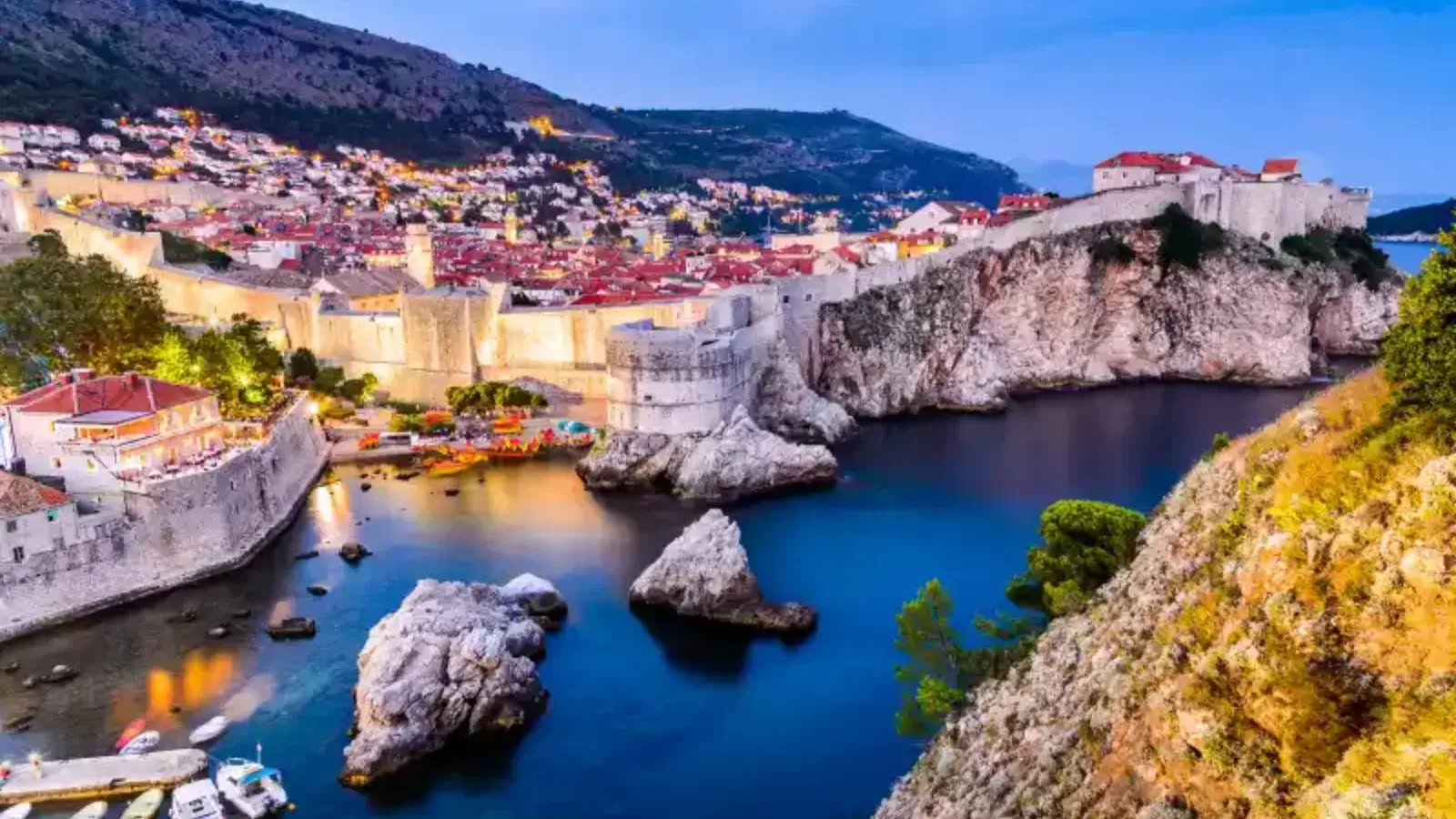
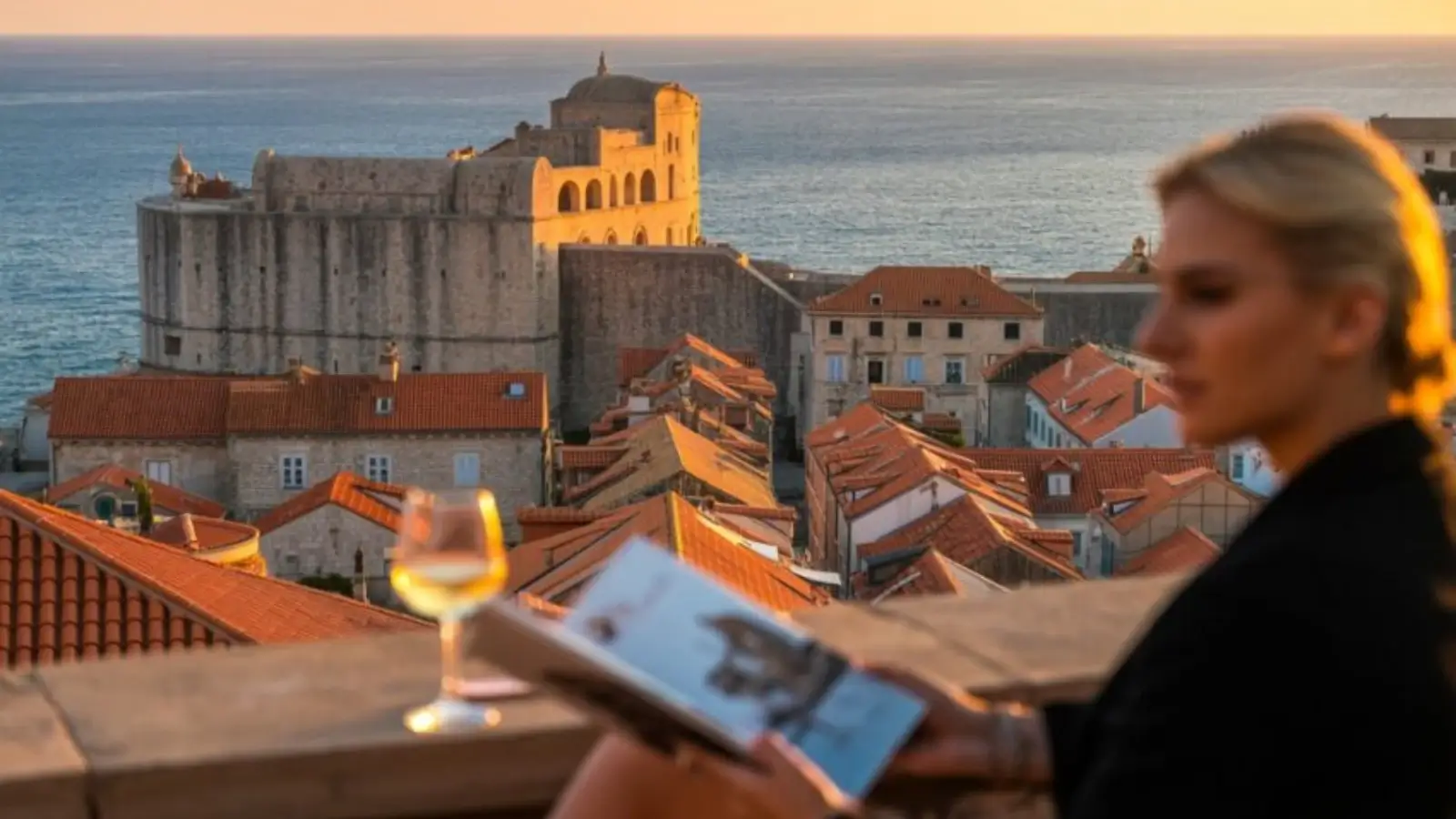
Nicknamed the "Pearl of the Adriatic," Dubrovnik is one of the most talked-about Croatia travel destinations, and it lives up to the hype. Think limestone streets, huge medieval walls and cliffside bars with sunset views.
Major Attractions: City Walls, Stradun, Mount Srđ cable car, Lokrum Island
Ideal Duration: 2-3 days
Best For: History lovers, couples, Game of Thrones fans
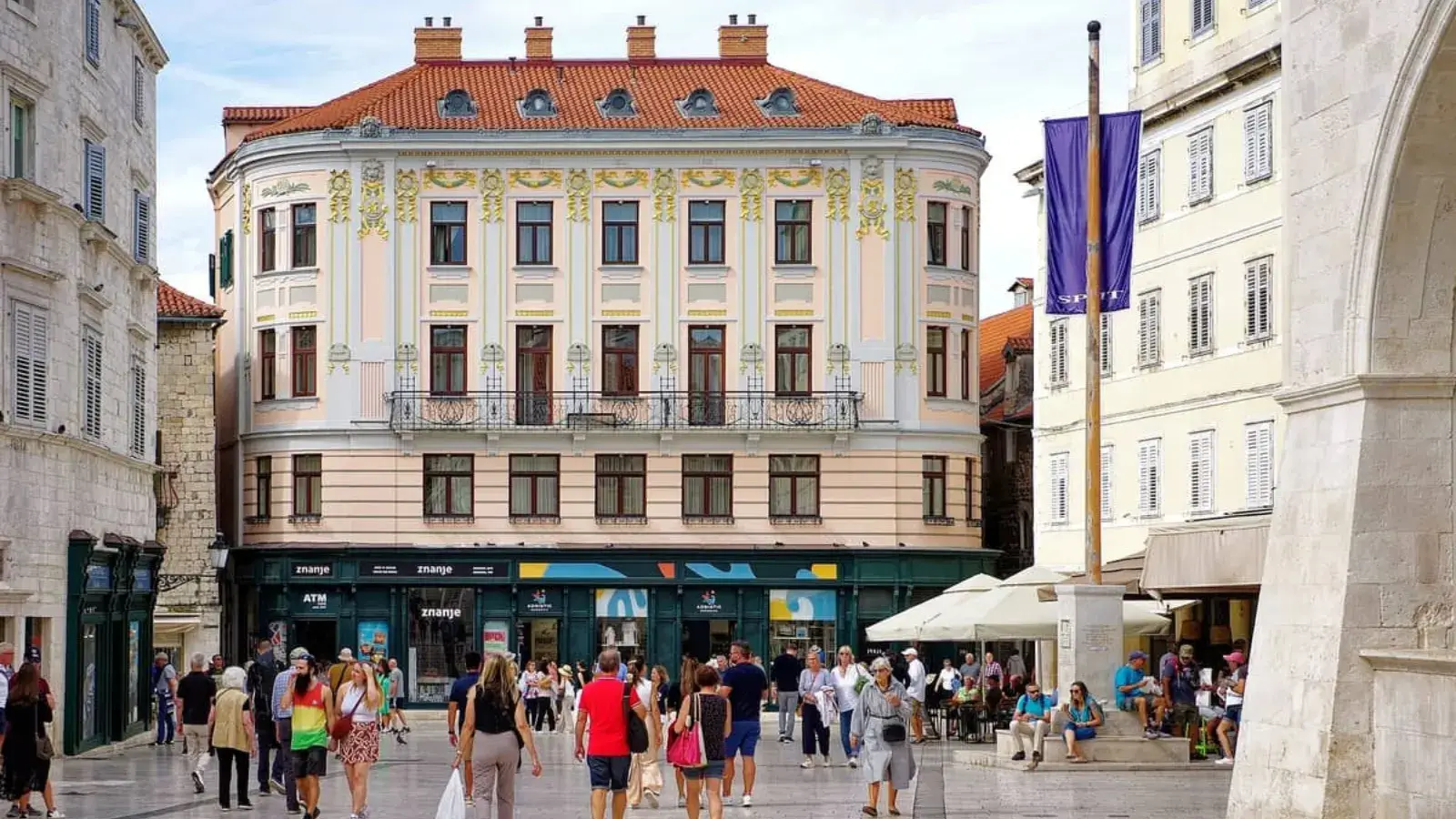
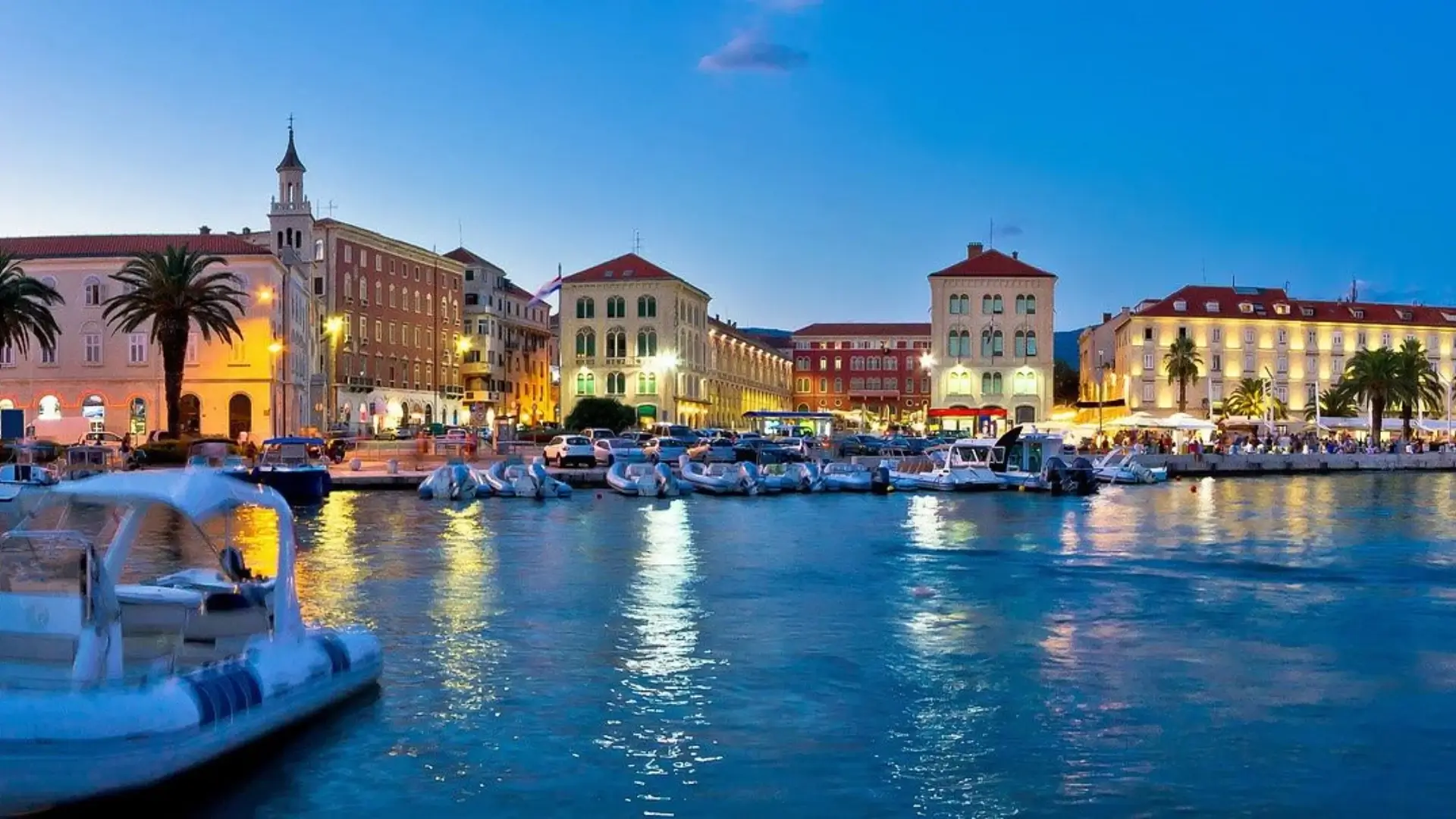
Split grew up inside Diocletian's Palace, a 1,700-year-old Roman complex where people still live, shop and eat. It's also a handy base for day trips.
Major Attractions: Diocletian's Palace, Riva promenade, Marjan Hill, Trogir
Ideal Duration: 2 days
Best For: History buffs, foodies, first-timers
This colorful Istrian town has cobbled lanes, a hilltop church and a harbor full of seafood spots. It feels calmer and more romantic than the south, and it's a great gateway to Istria's truffles and wine.
Major Attractions: Church of St. Euphemia, Old Town, Golden Cape Forest Park
Ideal Duration: 2 days
Best For: Couples, foodies, photographers
Hvar is a sunny island that boasts lavender fields and has an old town that is in the Venetian style, along with nightlife, while the nearby Pakleni Islands are ideal for swimming.
Major Attractions: Spanish Fortress (Fortica), Hvar Town, Pakleni Islands
Ideal Duration: 2 days
Best For: Beach lovers, nightlife fans, island hoppers
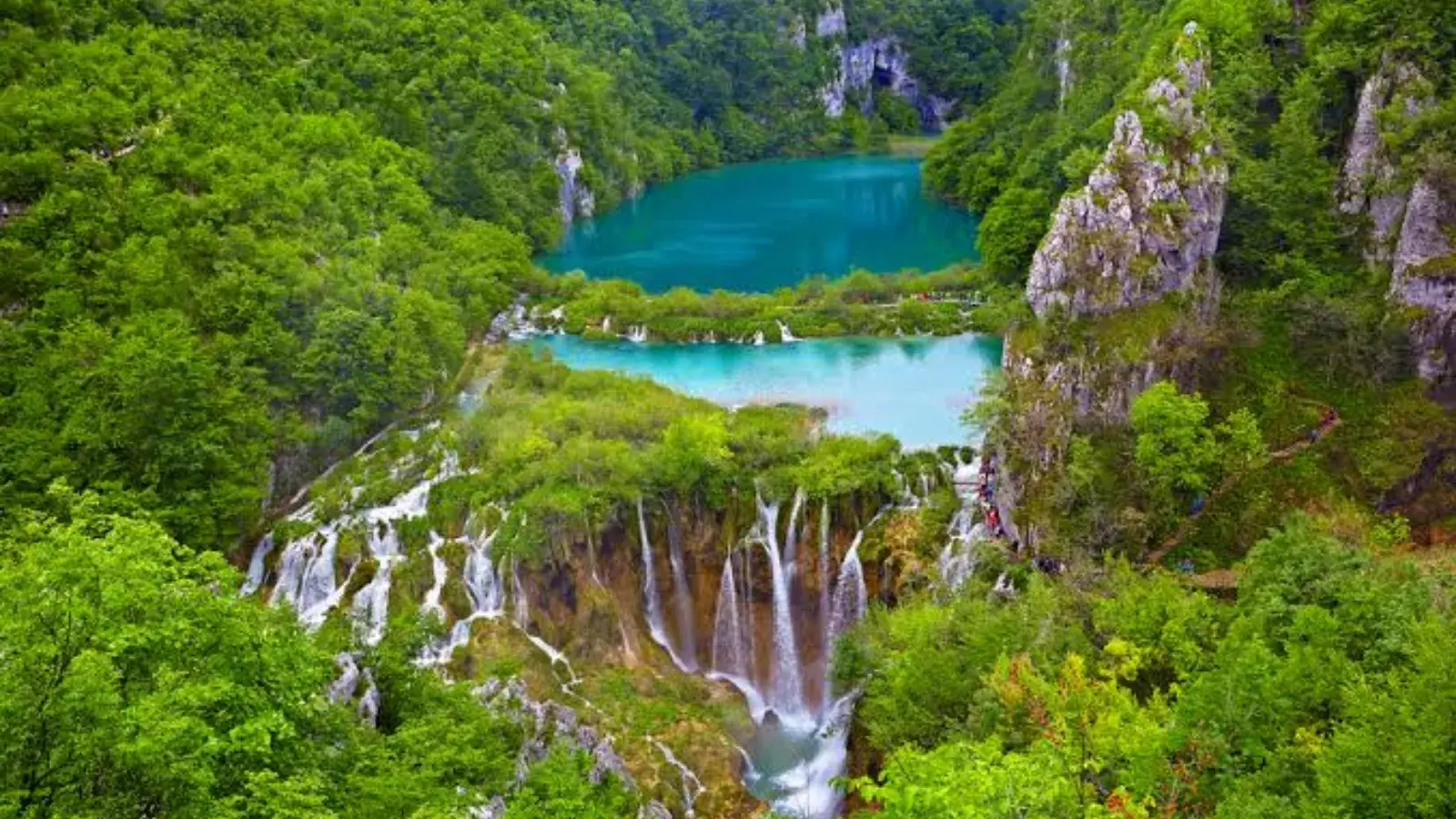
This UNESCO site is a chain of 16 turquoise lakes linked by waterfalls and wooden boardwalks. Go early or in shoulder season to beat the crowds.
Major Attractions: Upper and Lower Lakes, Veliki Slap, boardwalk trails
Ideal Duration: 1 full day
Best For: Nature lovers, hikers, families
Ready to see these places for yourself? Skip the queues and book tours, City Wall tickets, island boat trips and Plitvice entry in advance. Browse Croatia Tours & Activities on GetYourGuide →
Quick Overview of the Route:
→ Split → Trogir → Hvar → Dubrovnik →
The route passes along the Dalmatian Coast, from Split (Roman) to the Island of Hvar and then to Dubrovnik. It's an easy Croatia sightseeing itinerary that mixes history, island time and city exploring without much backtracking, and ferries link every stop.
Day | Location | Plan |
Day 1 | Split | Land, explore Diocletian's Palace, dinner on the Riva. |
Day 2 | Split/Trogir | Marjan Hill walk, then dinner in Trogir. |
Day 3 | Hvar | Catamaran to Hvar Town, hike to Fortica. |
Day 4 | Hvar | Day-boat to the Pakleni Islands, then nightlife. |
Day 5 | Hvar → Dubrovnik | Ferry over, stroll the Stradun, sunset at Buža Bar. |
Day 6 | Dubrovnik | Walk the City Walls early (~€35), then Mount Srđ or Lokrum. |
Day 7 | Dubrovnik | Last breakfast, souvenirs, flight home. |
Think of this as a ready-made Croatia trip planner for your first visit. With extra days, add more time in Split or Dubrovnik, or squeeze in Plitvice or Istria.
Croatia has a stay for every style, from boutique hotels inside old walls to family-run apartments and island guesthouses. Prices below are rough nightly estimates and jump in July and August.
Destination | Best For | Stay Type | Approx. Price per Night |
Split | First-timers, transport hub | Apartments, boutique hotels | €70–200 |
Hvar Town | Nightlife, couples | Boutique hotels, guesthouses | €100–300 |
Dubrovnik | Sightseeing, romance | Old Town (pricier) or Lapad (better value) | €100–350 |
Rovinj | Romantic getaways | Boutique hotels, apartments | €90–250 |
Plitvice area | Nature lovers | Guesthouses | €50–130 |
Zagreb | City breaks, budget | Hotels, hostels | €50–150 |
Book early for summer, and shape your Croatia itinerary so you're not packing up every other night. Found your base? Compare hotels and apartments in Split, Hvar, Dubrovnik and Rovinj, and lock in your room before summer prices climb. Find Croatia Hotels on Hotels.com →
Croatia is more than a beach destination. In one week you could explore Roman ruins, hike past waterfalls and sail between islands.
Walk Dubrovnik's City Walls: Loop the Old Town for sea and rooftop views.
Explore Diocletian's Palace: Get lost in a Roman monument that's still part of daily life.
Visit Plitvice Lakes: Follow boardwalks past terraced waterfalls.
Go island hopping: Pakleni Islands, Vis, Korcula or Brac.
See the Blue Cave on Bisevo: Time it for the best light.
Take a Game of Thrones tour: Visit the Dubrovnik filming spots.
Kayak the Adriatic: Paddle under the city walls and into hidden coves.
Explore Krka National Park: Swim near Skradinski Buk.
Tour Istria's wine and truffle country: Taste your way through Motovun.
Pick the ones that excite you and weave them into your Croatia itinerary, leaving free time for spontaneous beach stops and long seaside lunches.

Food changes as you travel, Istria is Italian, Dalmatia is all seafood and the inland regions are hearty and comforting.
Peka: Meat or octopus slow-cooked under an iron bell, usually ordered ahead.
Black Risotto: Seafood risotto flavored with cuttlefish ink.
Cevapi: Grilled minced-meat sausages with flatbread and ajvar.
Pasticada: Beef cooked slowly in sauce, accompanied by gnocchi.
Istrian Truffle Pasta: Fresh pasta mixed with local truffles.
Pag Cheese: A salty, hard sheep's-milk cheese.
Prsut: Air-dried ham, often served with cheese and olives.
Fritule: Sugar-dusted fried dough balls.
Plavac Mali and Malvazija: Local wines worth ordering by the glass.
Eating your way through the regions is one of the best parts of any Croatia itinerary, so leave room for long, slow meals.
A few simple tips can save you money, time and stress.
Book early for summer: Rooms, ferries and tours fill up fast.
Travel in shoulder season: May, June and September are friendlier on crowds and prices.
Keep some cash: Small cafes and markets may prefer it.
Go early to popular spots: Dubrovnik's walls and Plitvice are far nicer at opening time.
Pack sturdy shoes: Cobblestones get slippery, and water shoes help on pebbly beaches.
Dress respectfully: Cover up in churches, and skip the swimwear stroll through town.
Know the driving rules: Headlights in November to March, a reflective vest in the car and a 0.05% alcohol limit.
Use licensed taxis or apps: Uber and Bolt show fixed prices up front.
Get proper insurance: Include medical evacuation, especially for the islands.
Work these into your Croatia itinerary early, and you'll skip the last-minute stress.
Croatia costs more than it used to, especially on the coast in peak season, but it's still good value compared with much of Western Europe. These are rough per-person estimates for the 7-day route, excluding flights.
Expense | Budget | Mid-Range | Luxury |
Accommodation (per night) | €40–70 | €100–180 | €250+ |
Food & drink (per day) | €30–45 | €50–80 | €120+ |
Transport & ferries (per day) | €10–20 | €20–40 | €50+ |
Activities (per day) | €10–20 | €25–50 | €80+ |
7-day total (per person) | €500–800 | €1,100–1,700 | €2,500+ |
Travel in shoulder season, eat where locals eat and buy ferry tickets ahead. Building these costs into your Croatia itinerary from the start keeps your budget realistic.
Run through this before you hit "book" so nothing slips through the cracks.
Check passport validity: At least 3 months beyond departure.
Confirm entry rules: Including the EU's Entry/Exit System.
Pick your season: Shoulder season gives the best mix of weather, price and crowds.
Book flights: Consider flying into Split and out of Dubrovnik.
Reserve accommodation and ferries early: Especially in summer.
Get travel insurance: With medical evacuation cover.
Pre-book key attractions: City Walls, Plitvice entry and boat tours.
Check travel advisories: And enroll in your government's traveler program.
Sort your money: Carry some euros and tell your bank your dates.
Pack smart: Water shoes, sunscreen, walking shoes and a Type C/F adapter.
Save emergency contacts: 112 plus your embassy's number.
Tick these off, and you're ready to turn your plans into a smooth Croatia travel route, from Split’s ancient Roman lanes to Hvar’s islands and Dubrovnik’s walls. Time to book? Compare flights, ferries and trains for your trip in one place. Plan Your Croatia Trip on Trip.com →
From Split's Roman lanes to Hvar's turquoise coves and Dubrovnik's sunset-lit walls, Croatia turns a simple holiday into a trip you'll keep talking about. Use this guide as your starting point, tweak your Croatia itinerary to your own pace, and leave room for unplanned moments, like a long seaside lunch or a beach you spotted from the ferry. Croatia is ready when you are, so pack your swimsuit and go.
Loved this Croatia guide? Head over to EraEase, your go-to spot for simple, practical travel tips, destination guides and itinerary ideas. Your next trip starts here, so come explore, get inspired and start planning today!
Is Croatia safe for tourists?
Yes, it is. Violent crime is rare, and the U.S. rates Croatia Level 1, its lowest risk level. Just watch for pickpockets in crowded spots and follow local rules in Split and Dubrovnik.
What is the best time to visit Croatia?
Late May, June and September are the sweet spot. You'll get warm weather, swimmable seas and smaller crowds, with friendlier prices than July and August.
How many days do you need in Croatia?
Seven days is perfect for a first trip. That's enough time for Split, Hvar and Dubrovnik without rushing. Got more time? Add Plitvice Lakes or Istria.
Do I need a visa to visit Croatia?
Not if you're a US, UK or Australian traveler staying 90 days or less. Rules vary by nationality, so check your own country's requirements before you book.
Is Croatia expensive to visit?
It depends on when you go and how you travel. A 7-day trip runs roughly €500–800 on a budget and €1,100–1,700 mid-range, not including flights. Traveling in shoulder season saves the most.
Plan Your Personal Itinerary Today
Turn your travel inspiration into a personalized itinerary built around your dates, budget, and interests.
Plan Your Personal Itinerary →About

EraEase brings practical guides on travel, automotive, e-commerce, and education, helping you simplify choices and make smarter decisions.
Newsletter
Subscribe to our newsletter and be the first to access exclusive content and expert insights.
By clicking the Subscribe button, you acknowledge that you have read and agree to our Privacy Policy and Terms & Conditions