How International eCommerce Logistics Works for Online Stores
International eCommerce logistics powers global orders through shipping, customs, tracking and last mile delivery to move products across borders smoothly.

If you’ve ever clicked the “Place Order” button on an online store and tracked the tiny progress bar creeping across your screen for days, maybe weeks, you’ve seen the magic of International eCommerce logistics at work. But what happens behind the scenes of that single click? A universe of routes for shipments, customs counters, warehouses humming along at midnight, and people in reflective vests scanning packages under fluorescent lights. International shipping is not just a business process; it’s a dance. And when it goes right, no one notices. When it goes wrong, everyone does.
Let’s go behind the scenes.
The Journey Begins How International eCommerce Logistics Starts Before You Even Order
Most people assume shipping starts after checkout. It doesn’t. It begins long before your cart fills up.
E-commerce sites that sell products globally have logistics plans mapped out months in advance, a strategy central to how international logistics works for eCommerce. They estimate their sales, determine where to locate their inventory, and select the companies to handle the fulfilment of their orders. Some companies stock all their products in one storage facility and distribute them from there to the entire world. Another approach is to send their products to distant places so that it would be feasible to ship the item to the closest site, a core principle of global eCommerce fulfillment.
The importance of this matter exists because distance measurements to time calculations lead to time measurements, which determine cost. The ocean shipping cost for a package proves to be expensive, yet the slow delivery option presents a more affordable choice than the fast delivery service. The process of logistics functions as an ongoing competition which requires organizations to choose between three essential factors delivery speed, operational expenses, and service dependability.
Smart brands select aspects that are most important to their customers and build out the logistics network to support those, especially when scaling International shipping for online stores.
Warehouses
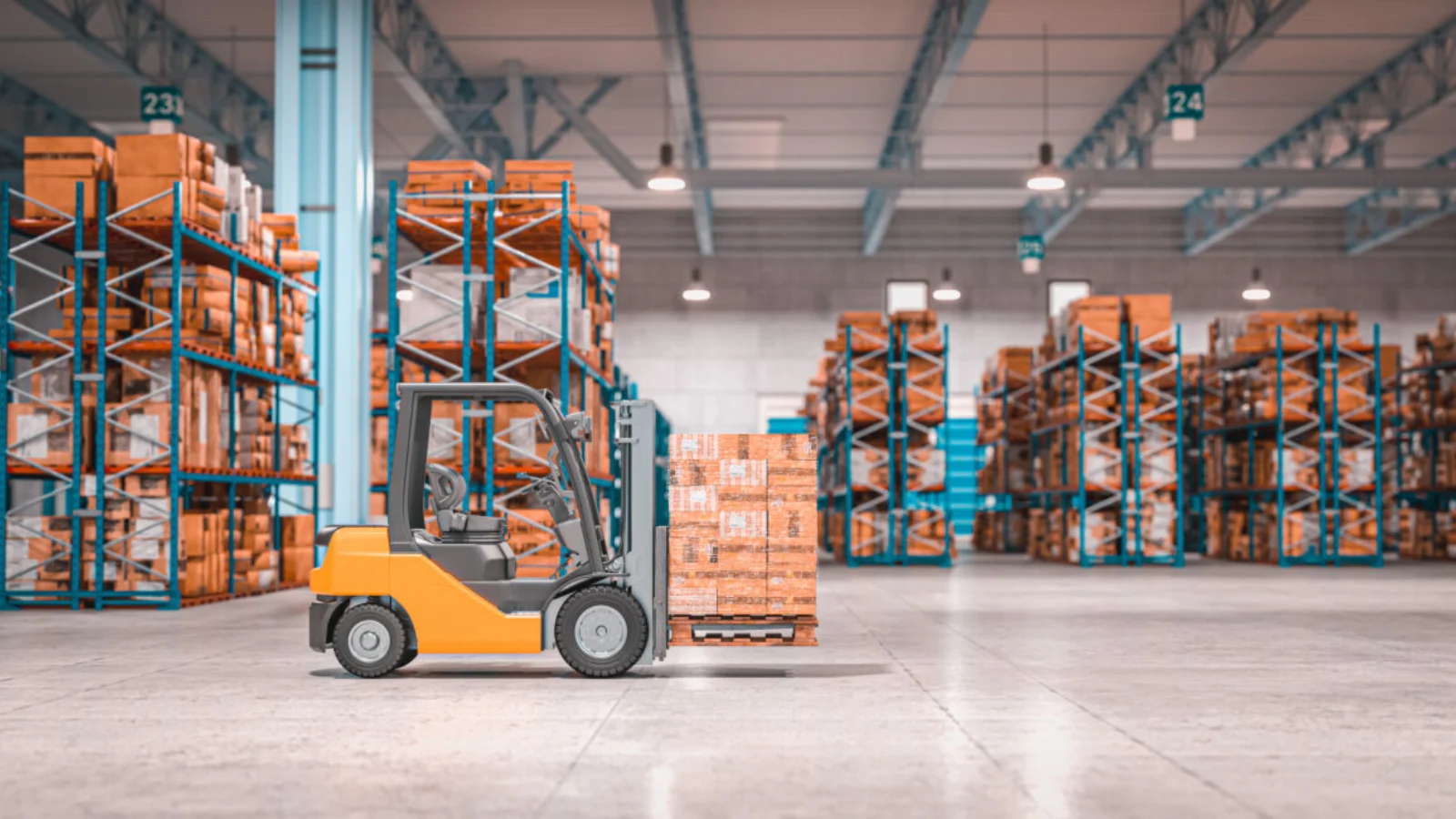
Imagine a warehouse not as a storage room, but as a living organism. Conveyor belts glide like arteries. Scanners chirp. Workers move with muscle memory precision. Each shelf has a location code that is more specific than a GPS location.
The system sends automated updates about specific item locations to warehouse personnel after you place an order. A picker picks it, a packer packs it, and a label printer prints out the barcode that will define the entire route of the parcel.
The barcode is the passport of the parcel. It contains destination details, shipping class, customs data, and tracking ID. From that moment forward, the package is no longer just a product. It’s a data point traveling through a global system that powers cross-border eCommerce shipping.
First Mile
The first stage of the delivery process is known as the first mile. This is where the parcel is handed over from the warehouse and into the carrier’s network. Depending on the configuration of the seller’s infrastructure, the parcel could be collected by a courier or transported in a bulk lot to a regional sorting facility.
This is a stage that is invisible to the customer but is very important. If the first mile is late, the whole delivery process will be late. It is like missing the first train on a long journey; everything else will be pushed back.
Online giants invest a lot in this phase because even a small improvement in this phase will have a ripple effect on the whole delivery chain, especially for brands relying on International eCommerce logistics to reach global buyers.
Sorting Hubs
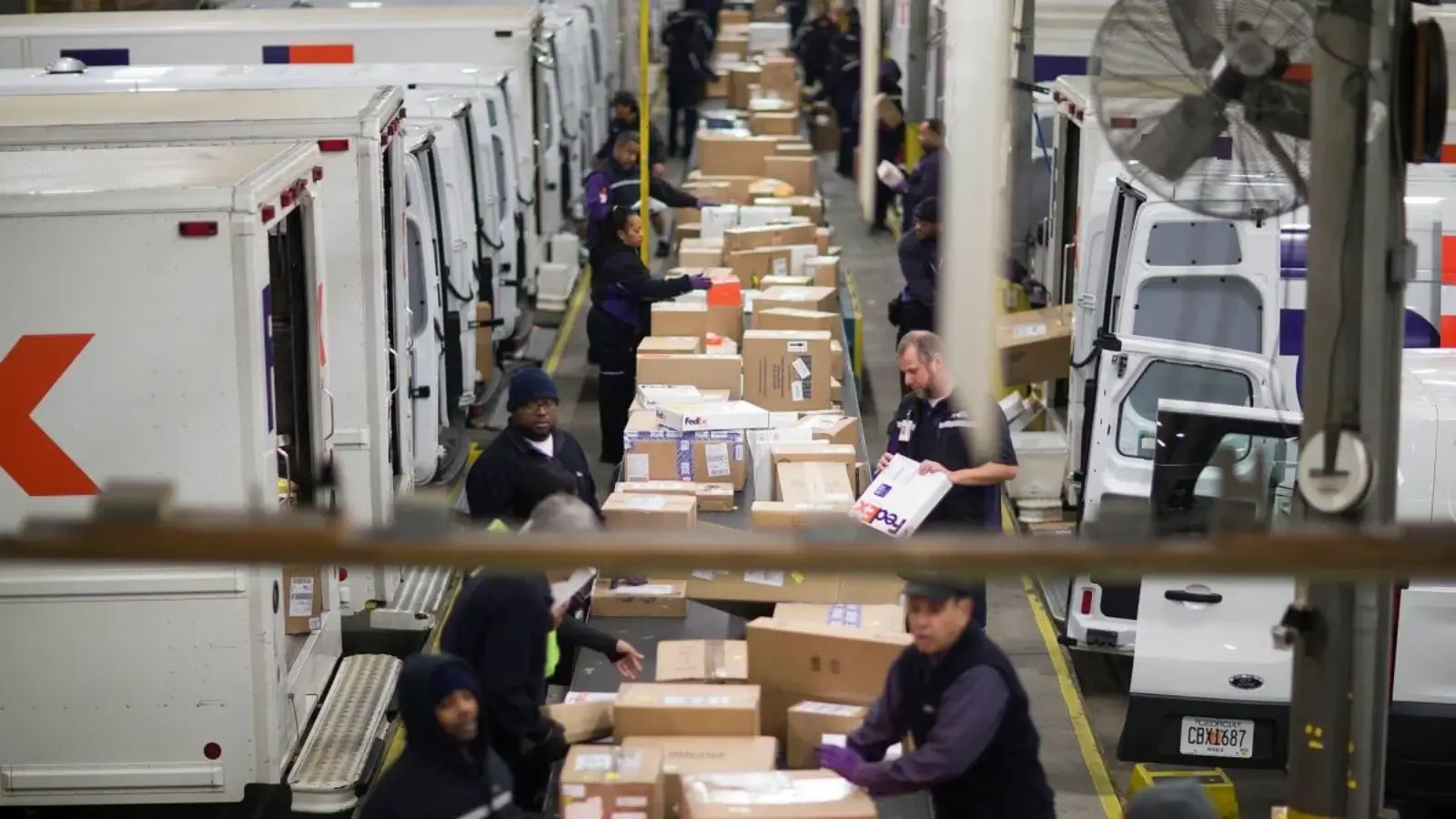
Once parcels leave the warehouse, they don’t travel directly to your country. The delivery process begins when they deliver packages to sorting hubs, which serve as large facilities for package distribution according to their designated delivery locations.
The system handles thousands of packages, which travel through conveyor belts that automatic scanners use to identify package barcodes within three seconds. One route could be delivered to Southeast Asia, another to Europe, and another to North America.
This is where logistics begins to resemble air traffic control. Timing matters. Routes matter. Even weather matters. A delay in one hub can affect shipments heading to dozens of countries, which is why advanced networks and Canada international shipping solutions focus heavily on routing precision.
Crossing Borders
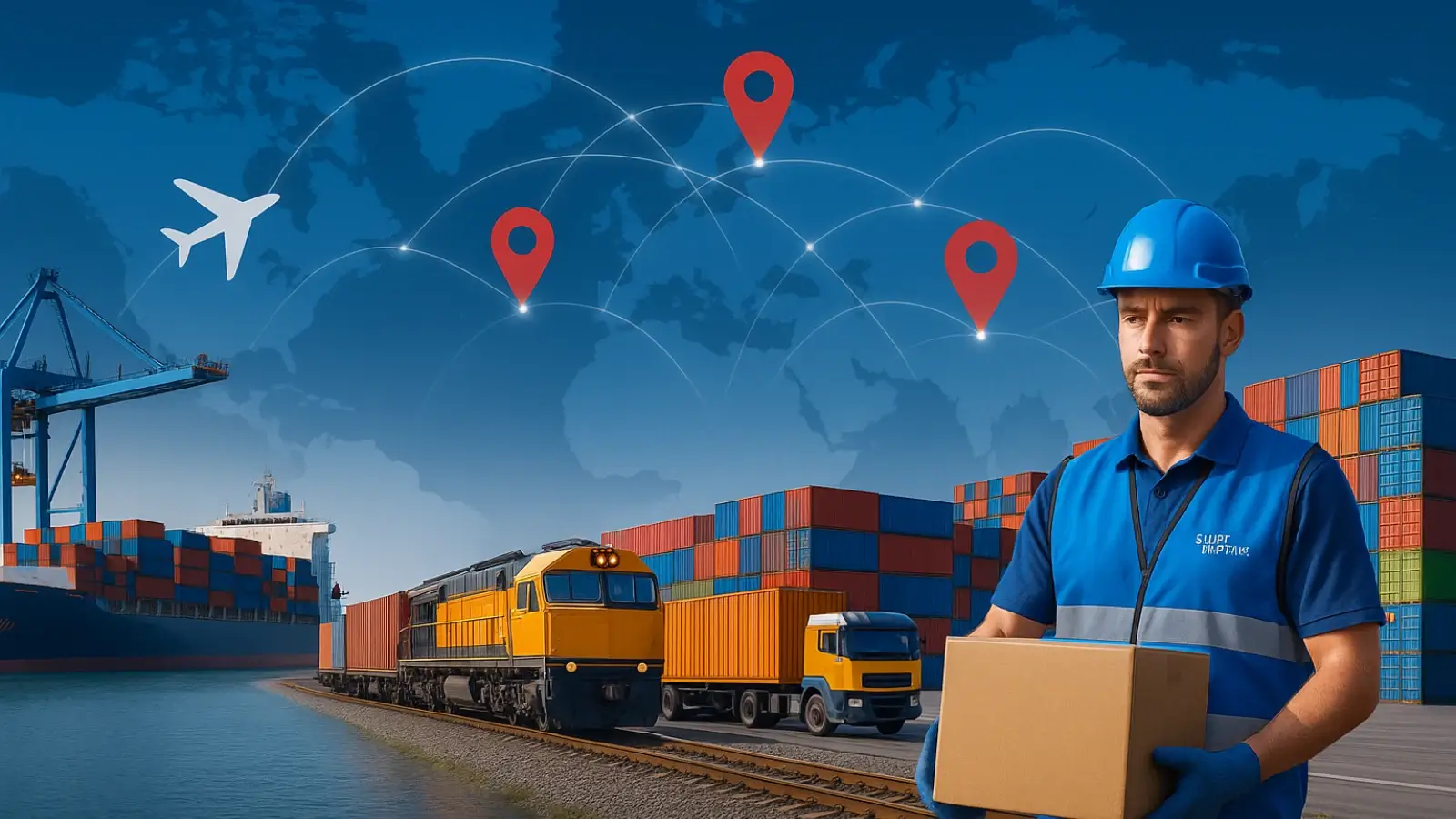
All international shipments must pass through customs, which serves as the official border point where governmental authorities examine incoming cargo. The customs agents inspect the contents of the shipment to assess its worth and determine whether it complies with importation rules.
E-commerce websites require accurate documentation, which includes product description, value, country of origin, and tariff status information. The package will experience delays, taxation, and potential return to the sender if any information about the package is either incorrect or incomplete.
Customers complain to retailers about delayed shipments, but the actual cause of the delay occurs here. Customs is no longer a doorway but a security interrogation. And it operates on its own time.
Duties and Taxes
One of the most confusing parts of international shipping for buyers is import fees. Depending on the regulations of the country, the customer might have to pay duties or taxes before receiving the package.
E-commerce sites deal with this in two different ways:
Delivered Duty Paid (DDP): The seller handles all expenses related to import duties which means customers can receive their package without needing to make any payments.
Delivered Duty Unpaid (DDU): The customer has to pay the customs duties when the package reaches their country.
Many customers have been known to abandon their carts when they see unexpected costs. This is why new-age eCommerce sites are becoming more and more open about duties, and unexpected costs are the quickest way to lose customer trust.
Last Mile
The most costly part of a trip is usually the short and last part. The last mile encompasses the final delivery from a local hub to the front door of the customers.
Why is it expensive? The system operates with low efficiency. A driver needs to deliver packages to a city after a truck delivers hundreds of packages because they navigate through traffic to multiple locations which include incorrect addresses and locked gates, and the risk of encountering a dog.
The companies test different methods to improve last-mile delivery through neighborhood lockers, pickup locations, route optimization software, and the use of electric bikes. The aim is always the same, deliver faster without costing more.
Tracking
Tracking updates might appear to be a straightforward convenience feature, but they are actually a potent psychological tool.
The ability to track packages provides customers with reassurance about their shipment status. The customers receive a status update, which helps them understand the ongoing situation despite the extended delivery time. Without tracking, every additional day is a problem. With tracking, it feels like progress.
That tiny line that says “Arrived at the sorting facility” does more than inform you; it calms you.
Returns
Shipping doesn’t end when a package arrives. In eCommerce, returns are part of the system. And international returns are even more complicated than exports.
A returned product has to travel back through borders, through customs, and into a warehouse. That’s why many online stores offer local return addresses in major markets. Customers don’t ship products back to stores internationally. They send them to a regional hub, where they are consolidated and shipped back in bulk.
Effective return logistics create the potential for a store to achieve profitability, whereas inefficient return processes force a store to incur high operational costs.
Technology
The global logistics sector depends equally on software systems and its transportation assets, which include trucks and airplanes. The logistics systems of a business handle route creation, delivery time estimation, rate comparison, customs form preparation, and automated status update delivery.
Artificial intelligence is being employed to forecast delays before they occur. When a storm is forecasted in a shipping route, packages are rerouted in advance. When there is a surge in demand in a particular country, inventory can be moved in advance.
In other words, the smartest logistics systems don’t just react. They anticipate.
Why Logistics Defines the Customer Experience
People often think product quality is what determines whether customers return. In reality, delivery experience is just as important.
A beautiful product that arrives late feels disappointing. A simple product that arrives early feels impressive. Shipping shapes perception. It’s the final chapter of the shopping story, and it’s the one customers remember most vividly.
The successful global brands use logistics as their strategic framework because they need to operate their businesses effectively. They know that every happy customer has a delivery that went exactly right.
The Global Ballet You Never See
International eCommerce logistics is a system of extraordinary coordination. Planes take off at precise times. Containers are loaded in exact sequences. The databases update in milliseconds. Thousands of decisions are made intuitively and spontaneously enough for it to look as if they are effortlessly made.
But it isn’t effortless. It’s engineered.
The next time you receive a shipment at your home which uses hot tape as a sealing method from the packing facility, you should stop and think before you open the package. The package has moved through various locations, which include warehouses, border crossings, truck transportation, and computer systems, before it arrived at your location.
In simple terms: global shipping is not just transportation. It’s orchestration. And when it works perfectly, it turns distance into something almost magical, something you hardly notice at all.
FAQ’s
What is international eCommerce logistics?
International E-commerce Logistics refers to a term which is used to describe all processes involved in storage, transport, tracing, and delivery of goods purchased in an e-commerce website until they reach their destination in another country.
Why does international shipping take longer than domestic delivery?
International shipping tends to be slower as packages have to cover larger distances, go through numerous transshipment points, and clear customs prior to being delivered to the destination country.
What are customs duties and taxes in global shipping?
Import duties refer to taxes imposed on products shipped into a country from other countries. The amount of duties varies depending on the item and its declared value.
What is last-mile delivery in eCommerce logistics?
The last mile is that phase of delivery where the product is taken from the local distribution center to the doorsteps of the customer. This happens to be the costliest and hardest phase in the whole process of delivery.
How do online stores improve international shipping speed?
Online shopping platforms make delivery faster by utilizing regional warehouse facilities, efficient route optimization, advanced sorting processes, local delivery networks, and tracking mechanisms.

About

EraEase brings practical guides on travel, automotive, e-commerce, and education, helping you simplify choices and make smarter decisions.




Newsletter
Subscribe now to stay updated with top news!
Subscribe to our newsletter and be the first to access exclusive content and expert insights.
By clicking the Subscribe button, you acknowledge that you have read and agree to our Privacy Policy and Terms & Conditions