Austria Travel Guide Cities, Culture & Trip Essentials 2026
Explore Austria with this complete Austria Travel Guide covering top cities, culture, attractions, travel tips, best time to visit, and essential trip planning.

Kajal Bharti
Travel Researcher with 3+ Years of Experience in Destination Research and Travel Planning.
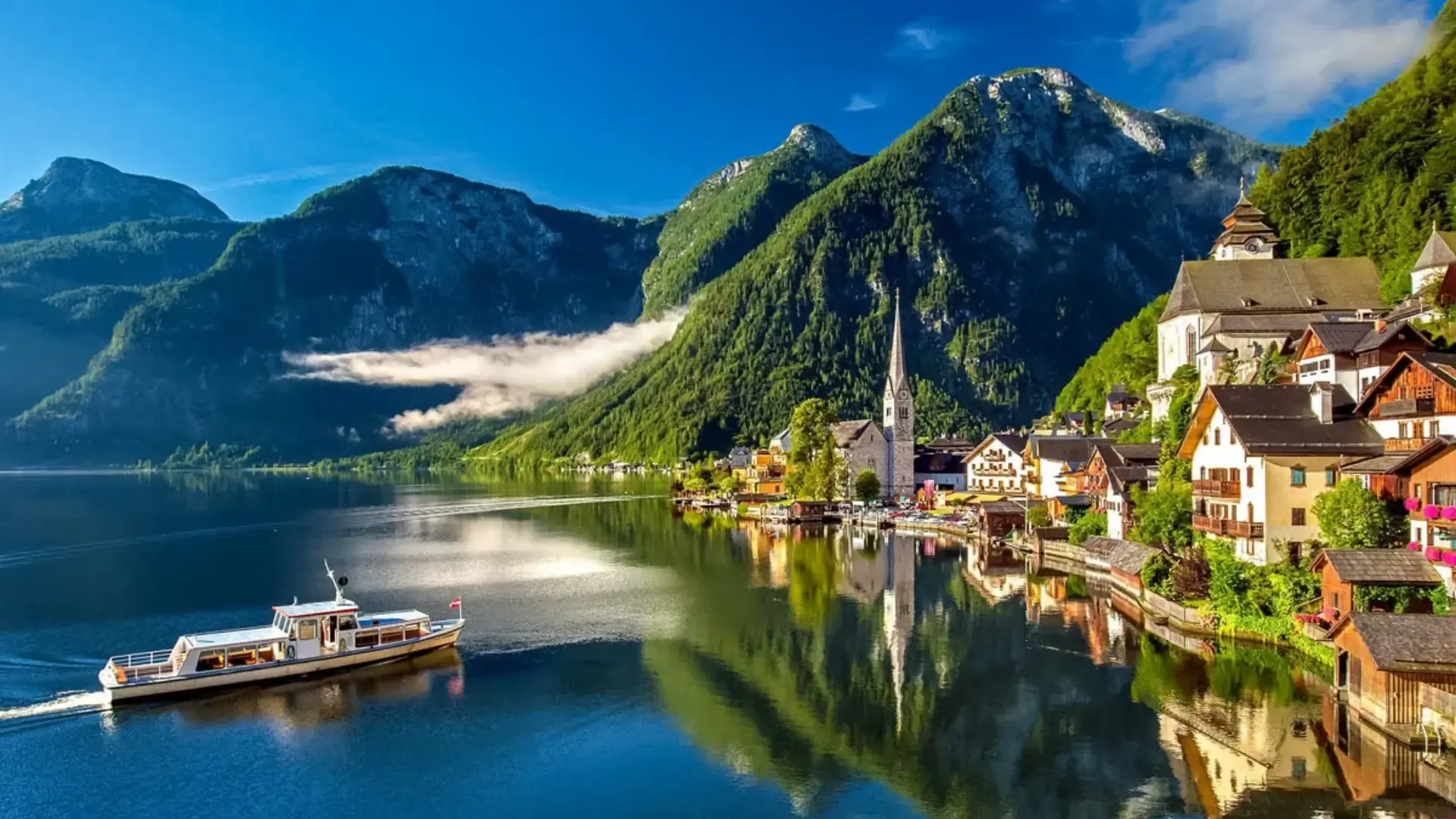
Austria brings together snow-capped Alps, beautiful lakeside villages, grand imperial palaces and charming cafes. From ski slopes and opera houses to a slice of Sachertorte, the country offers plenty to explore. This Austria travel guide covers the essentials to help you plan a memorable trip.
From quick facts and safety notes to where to sleep, eat, and spend your euros, we've pulled together everything a first-time (or fifth-time) visitor needs in one place.
Quick Facts About Austria
Fact | Details |
Capital | Vienna |
Official Language | German |
Currency | Euro (EUR) |
Population | Approximately 9 million |
Time Zone | Central European Time (UTC+1); CEST (UTC+2) in summer |
Government | Federal parliamentary republic |
Neighbouring Countries | Germany, Czechia, Slovakia, Hungary, Slovenia, Italy, Switzerland, Liechtenstein |
Visa Area | Schengen Area |
Emergency Numbers | 112 (general); 122 (fire); 133 (police); 144 (ambulance) |
Why Visit Austria?
Austria appeals to nearly all kinds of tourists. Historical tourists can discover magnificent imperial buildings and the dramatic history of the Habsburgs; music fans can experience the same atmosphere and streets that were enjoyed by Mozart and Strauss and for adventurous bike riders, the Alps offer some of the best terrain in Europe. With the addition of efficient train travel, pristine cities, and a cuisine made up of wholesome comfort foods, you can understand why tourists keep coming back to the country.
World-famous skiing and hiking opportunities in the Alps
Imperial castles, museums, and opera houses in Vienna and Salzburg
Picturesque lakeside villages such as Hallstatt
A rich musical and cultural tradition abounds
An efficient, reliable transportation system linking cities with the mountains
A coffeehouse culture that almost deserves to be called a tourist attraction in itself
In summary, Austria has managed to become both a must-visit place and an easy country to move around in, which is unique.
Is Austria Safe to Visit?
According to travel advisories issued by the governments of the UK, USA, Australia, and Canada, Austria is characterized as an orderly, safe country and a well-run nation, with normal precautions sufficing for visits. It is essential to note petty crimes in tourist destinations, an elevated but persistent level of terrorism warning that prevails throughout most of Europe, and the dangers associated with the alpine landscape.
Safety Considerations for Travelers
Category | Risk Level | What to Know |
Terrorism | Elevated | The danger level of Austria is high on a scale of five points; be vigilant in crowded places. |
Petty Crime | Low to Moderate | Pickpocketing takes place in trains, railway stations, and other congested areas such as Vienna’s center. |
Natural Hazards | Moderate (Alpine Areas) | Avalanches, changes in the weather, and floods may happen in mountainous and river areas. |
Road Safety | Good, with Winter Caution | Mountain roads can be blocked by snow; winter tires are compulsory from November 1 to April 15. |
Scams and Fraud | Rising | Online dating scams and card skimming have been reported, especially in Vienna. |
Demonstrations | Occasional | Normally peaceful, but could interfere with traffic and transport systems with minimal notice. |
Essential Safety Tips:
Always keep a copy of your passport separate from the actual document
Do not leave baggage unattended in trains, especially on international ones
Store valuable items in the hotel locker and do not carry cash in large sums
Get comprehensive travel insurance that provides for medevac and alpine or winter sports activities
Stay away from any skiing off the marked trail without a licensed guide, and check avalanche forecasts
Be careful when meeting new people from dating websites; meet in public places for your own safety
Do not accept drinks or food from strangers, and keep an eye on your drink at the bar
Enroll in your country’s travel advisory program, such as STEP, before departure
None of this should put you off; Austria continues to be one of the safest travel destinations in Europe. Some preparation is all that the Austria Travel Guide requires of you before you leave.
Austria Travel Advisory (2026)
As of late 2026, official advice from the leading Western countries still comes through as reassuring. Almost all categorize Austria as a nation that requires exercising ordinary precautions, while some even point out the high terrorism threat in the nation, which is common throughout Europe.
United States: Level 1 - Exercise normal precautions (as of August 2026)
United Kingdom: No general travel warnings issued; however, it indicates a high risk of terrorism and petty crime
Australia: Practice standard safety measures, with an observed high risk of terrorism
Canada: Follow standard security measures
All four sources identify pickpocketing, alpine dangers, and awareness in congested areas as the important issues to be considered. This Austria travel guide advises going through the latest government advisories before leaving for Austria, as these pages get updated on a regular basis.
Best Time to Visit Austria
Austria has true four seasons, and every season makes a trip unique for you in its own way.
Season | Months | Weather | Best For |
Spring | March – May | Mild, blooming gardens | Sightseeing, fewer crowds |
Summer | June – August | Warm, 20–28°C | Hiking, lakes, festivals |
Autumn | September – November | Cool and crisp | Wine harvests, city breaks |
Winter | December – February | Cold, snowy | Skiing, Christmas markets |
There's not really a wrong time to visit, it’s all about whether you prefer snowy or sunny atmospheres. Choose what works best for you, and the rest of this Austria travel guide will help plan your trip.
Austria Visa Guide
Austria falls within the Schengen Zone; visa regulations would largely depend on your citizenship and duration of stay in the country.
Visa Type | Who Needs It | Stay Duration |
Visa-free Schengen Entry | Citizens of the US, UK, Canada, Australia, and other visa-free nations | Up to 90 days in any 180-day period |
Schengen Visa (Type C) | Travelers from nationalities not on the visa-exempt list | Up to 90 days |
National Visa (Type D) | Those working, studying, or staying long-term | Over 90 days; apply before travel |
ETIAS Travel Authorisation | Visa-exempt travelers once fully rolled out | Linked to a valid passport; for short stays |
Since visa requirements may change, you should always check with an Austrian Embassy or Consulate for up-to-date visa requirements near your departure date. Doing this step correctly from the outset will make the rest of your Austria travel guide planning much easier.
Best Places to Visit in Austria
From magnificent imperial cities down to lakeside hamlets which barely fit on a postcard, all of these Austria Travel Destinations represent the highlights of the country.
Vienna
The capital city, Vienna Austria features imperial splendor combined with a vibrant modern coffee-house culture and artistic life, all set amid the Danube.
Explore Schonbrunn Palace and its gardens
Enjoy an opera performance at Vienna State Opera
Visit the historic First District around St. Stephen's Cathedral
Salzburg
Salzburg Austria, is known as the birthplace of Mozart and the setting of “The Sound of Music,” a city that merges baroque architecture and alpine scenery.
Visit the Hohensalzburg Fortress, which overlooks the city
Wander the narrow streets of Getreidegasse Shopping Arcade
Take the "Sound of Music" tour around the surrounding countryside
Hallstatt
Hallstatt Austria, a lakeside hamlet, nestling among the mountains and lake, is considered one of the most photogenic locations in the Alps.
Capture the iconic lakeside scene from the observation point above the town
Explore the Hallstatt salt mine, one of the oldest in the world
Enjoy a boat ride on Lake Hallstatt at sunrise to avoid crowds
Grossglockner Alpine Alps
Being home to the highest mountain in Austria, this area boasts some of the most beautiful Austria travel routes for hikers and road trippers alike.
Take a drive on the Grossglockner High Alpine Road, one of the most beautiful driving roads in Europe
Hike along the trails leading to the Pasterze Glacier
Visit the viewpoints and take pictures of the surrounding mountains
Innsbruck
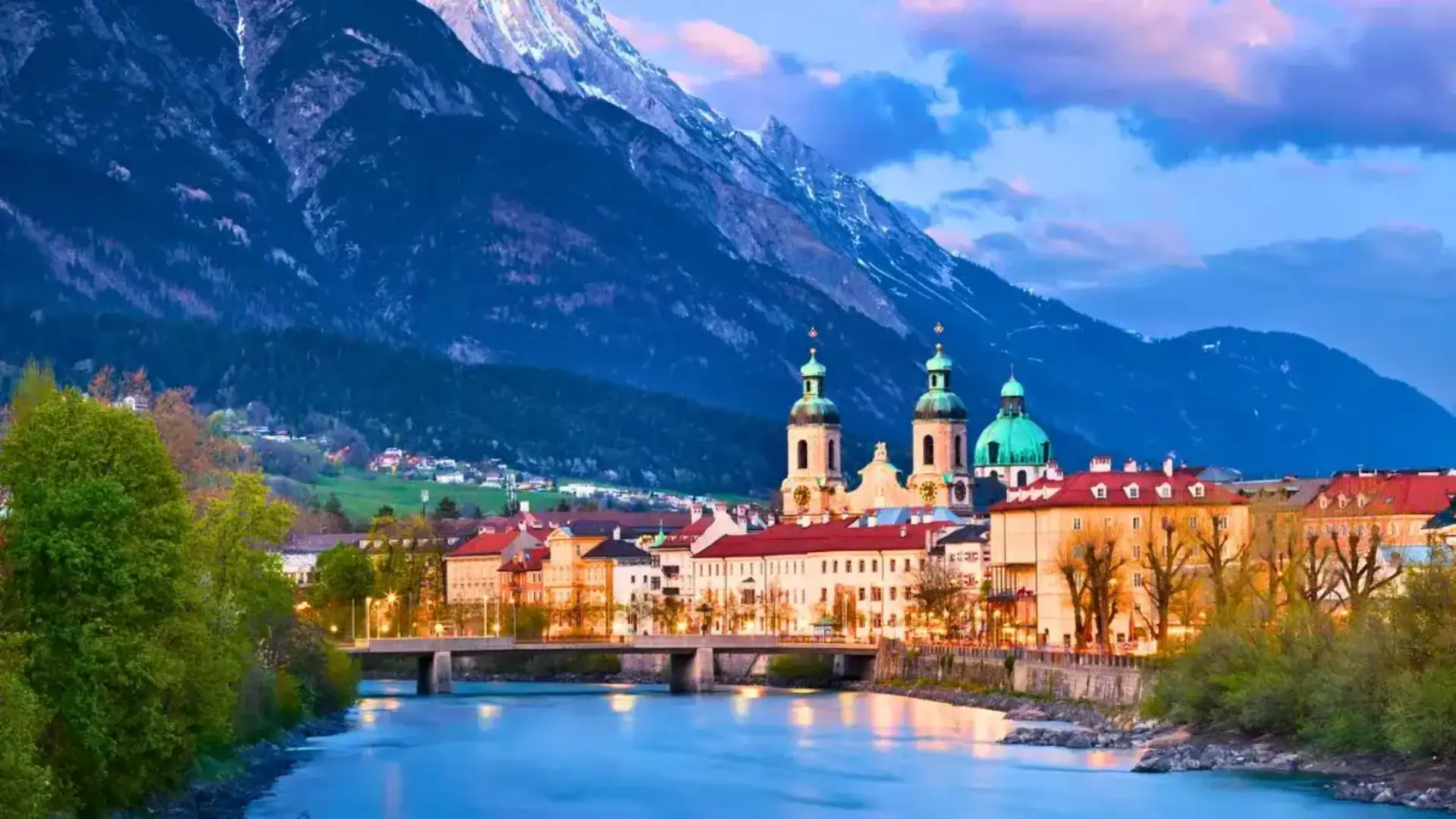
Situated among the Tyrolean Alps, Innsbruck Austria, offers an attractive combination of a pedestrian-friendly old city with easy access to mountains.
Visit the Golden Roof located in the city center
Take the Nordkette cable car directly from the city into the mountains
Explore surrounding ski resorts or hiking routes
Brief Overview of the Itinerary:
Vienna → Melk → Wachau Valley → Salzburg → St. Gilgen → St. Wolfgang → Hallstatt
Starting from Vienna’s royal charm, passing through Hallstatt’s Alpine splendor, this 7-day travel plan encompasses some of Austria’s most famous cities, palaces, lakes, and landscapes. Austria holiday packages can help you plan this exciting itinerary.
Day | Destination | Key Experiences |
Day 1 | Vienna | St. Stephen’s Cathedral, Graben, Ringstrasse, traditional cafe |
Day 2 | Vienna | Schönbrunn Palace, Belvedere Palace, Naschmarkt |
Day 3 | Vienna | Hofburg Palace, Prater, classical music concert |
Day 4 | Melk & Salzburg | Melk Abbey, Wachau Valley, scenic train to Salzburg |
Day 5 | Salzburg | Mirabell Gardens, Getreidegasse, Mozart’s Birthplace, Hohensalzburg Fortress |
Day 6 | Salzburg & Lake District | Hellbrunn Palace, St. Gilgen or St. Wolfgang |
Day 7 | Hallstatt | Historic village, Salt Mine, Skywalk, lakeside lunch |
This route combines the history, culture, and natural beauty of Austria into one unique experience. Use an Austria travel planner to help you organize your accommodations and activities.
Austria Trip Cost
The costs differ greatly based on travel style, but this is an estimate of a daily price point for reference purposes.
Budget Level | Daily Cost (per person) | Typically Includes |
Budget | €60–€90 | Hostel accommodation, public transportation, street food or self-catering |
Mid-range | €120–€200 | 3-star hotel, sit-down restaurants, some paid attractions |
Luxury | €300+ | 4–5-star hotels, fine dining, private tours and transfers |
Money & Payment Tips
The euro is accepted everywhere; keep some cash for small towns and countryside
Credit cards are accepted in the cities but not much in small cafes
Use bank-affiliated ATMs, not standalone ATMs found in streets
Declare money over €10,000 when entering or exiting the European Union
Protect the PIN pad and look out for card skimmers, especially in Vienna
Transportation in Austria
The Austria public transport system is one of the most dependable systems in Europe, where having a car is not essential for all itineraries.
Mode | Best For | Notes |
OBB Trains | Intercity travel | Quick and convenient; reserve your tickets early to save money |
Trams & Metro | City travel (Vienna, Graz) | Validate your ticket before boarding to avoid any penalties |
Buses | Rural and alpine areas | Link small towns that are not covered by railway connectivity |
Car Rental | Flexibility, alpine road trips | Highway vignette required; winter tires are obligatory from November through April |
Cable Cars & Gondolas | Mountain access | Seasonal; verify operational periods before embarking on a trek |
In most cases, a combination of a rail pass and tickets for the city transit will be sufficient, with the car being reserved for alpine adventures.
Where to Stay in Austria
This segment of the Austria accommodation guide outlines your options for accommodation based on your travel route.
Vienna: Boutique-style hotels around the Ringstrasse or budget-style hotels near the Naschmarkt
Salzburg: Altstadt guesthouses within easy walking distance of attractions
Innsbruck: Lodges and chalets in the mountains just outside of the central area
Hallstatt: Lakeside cottages that fill up early, so book months ahead
Whatever destination you choose, making your reservation in advance during summer and ski season will definitely ensure that you save money and avoid stress, and that’s definitely one of the most practical tips from this Austria travel guide.
Must-Try Austrian Food
Any guide would be incomplete without directing towards the dishes that you should definitely plan your meals nearby, especially when you wish to savor authentic Austrian local cuisine during your stay.
Wiener Schnitzel: A breaded, pan-fried veal or pork cutlet, Austria's national dish
Sachertorte: Rich chocolate cake filled with apricot jam, originated from Vienna
Apfelstrudel: Flaky pastry wrapped around seasoned apples, typically eaten hot
Tafelspitz: Boiled beef served with broth, horseradish, and root vegetables
Kaiserschmarrn: Crushed, caramelized pancake sprinkled with sugar along with a compote of fruits
Melange: Viennese version of cappuccino, best savored in an old-fashioned coffee house
Gruner Veltliner: Austrian crisp white wine, a must-taste experience in the Wachau region
The food alone is worth the visit, and no Austria travel guide can ever be complete without leading you right away to a coffeehouse upon arrival.
Packing List for Austria
It all depends on the season to some extent, although several items will always be necessary.
Walking shoes to suit cobblestone sidewalks and hiking paths
Weatherproof coat due to unpredictable mountain weather
Layers for the change in temperatures from valley to mountain
Universal adapter plug (Type C/F outlets in Austria, 230V)
Reusable water bottle (as tap water is safe to drink there)
Documents regarding travel insurance (especially when planning on engaging in winter sports)
Day pack for trekking, museum visits, shopping trips, etc.
Final Thoughts
Austria combines mountain adventure with imperial splendor, and with proper preparation, it is an easy country to travel in. Utilize the Austria travel guide to plan carefully, pack well, be aware, and allow the Austrian mountains and cafes to do the rest.
Plan Your Austria Journey with EraEase
Simplify your Austria vacation experience through EraEase. Learn from well-researched tips on traveling to help you have an easy and enjoyable Austrian holiday.
Also Read This | |
10 Best Places to Visit in Andorra for Fun & Adventure in 2026 | |
10 Weekend Getaways Singapore for a Perfect Short Escape 2026 | |
FAQ’s
Is Austria safe to visit right now?
Yes. Government guidelines (US, UK, Australia, Canada) classify it as low-risk and only require precaution, although petty theft and a terrorist warning level must be considered.
Do I need a visa to visit Austria?
Not applicable for periods lasting up to 90 days if you are a citizen of the US, UK, Canada, Australia, or some other exempt Schengen countries. For longer periods, a national visa will be needed.
What's the best time of year to visit?
Summertime (June-August) is best for hiking and lake visits; Winter (December to February) for skiing and Christmas markets. Spring and Autumn offer moderate weather with smaller crowds.
Is Vienna expensive to visit?
It's mid-range in terms of Western European pricing, where budget tourists get around €60-90 a day, whereas mid-range travel costs about €120-200/day.
Do I need to speak German to get around?
No. English is widely spoken in cities, at tourist destinations, and also among most hotel and restaurant employees; some knowledge of basic German may prove useful in small towns.

About

EraEase brings practical guides on travel, automotive, e-commerce, and education, helping you simplify choices and make smarter decisions.



Newsletter
Subscribe now to stay updated with top news!
Subscribe to our newsletter and be the first to access exclusive content and expert insights.
By clicking the Subscribe button, you acknowledge that you have read and agree to our Privacy Policy and Terms & Conditions