Plan Your Personal Itinerary Today
Loved this destination? Make it your next adventure.
Turn your travel inspiration into a personalized itinerary built around your dates, budget, and interests.
Plan Your Personal Itinerary →Is it safe to travel to Denmark? Explore local safety, common risks, essential precautions, and practical travel tips for a safe and enjoyable visit.
Kajal Bharti
Travel Researcher with 3+ Years of Experience in Destination Research and Travel Planning.

Excited about a Danish getaway but wondering if there’s anything to worry about? Before you book, you’re probably asking the big question, is it safe to travel to Denmark? The short answer is yes. Denmark is one of the calmest, best-organized countries in Europe. But “safe” doesn’t mean “zero risk”, and a few smart habits will make your trip much smoother. This guide pulls together advice from the US, Canadian and UK governments so you can plan with confidence.
Topic | Details |
Capital | Copenhagen |
Official language | Danish (English is widely spoken, especially in cities) |
Currency | Danish krone (DKK) |
Visa rules | Schengen area; many visitors, including US and Canadian citizens, can stay up to 90 days in any 180-day period without a visa |
Time zone | Central European Time (UTC+1) |
Electricity | 230V; European two-pin plugs |
Emergency number | 112 |
Payment style | Mostly cashless; cards and phone payments accepted almost everywhere |

Beyond being a safe destination, Denmark has a lot to offer:
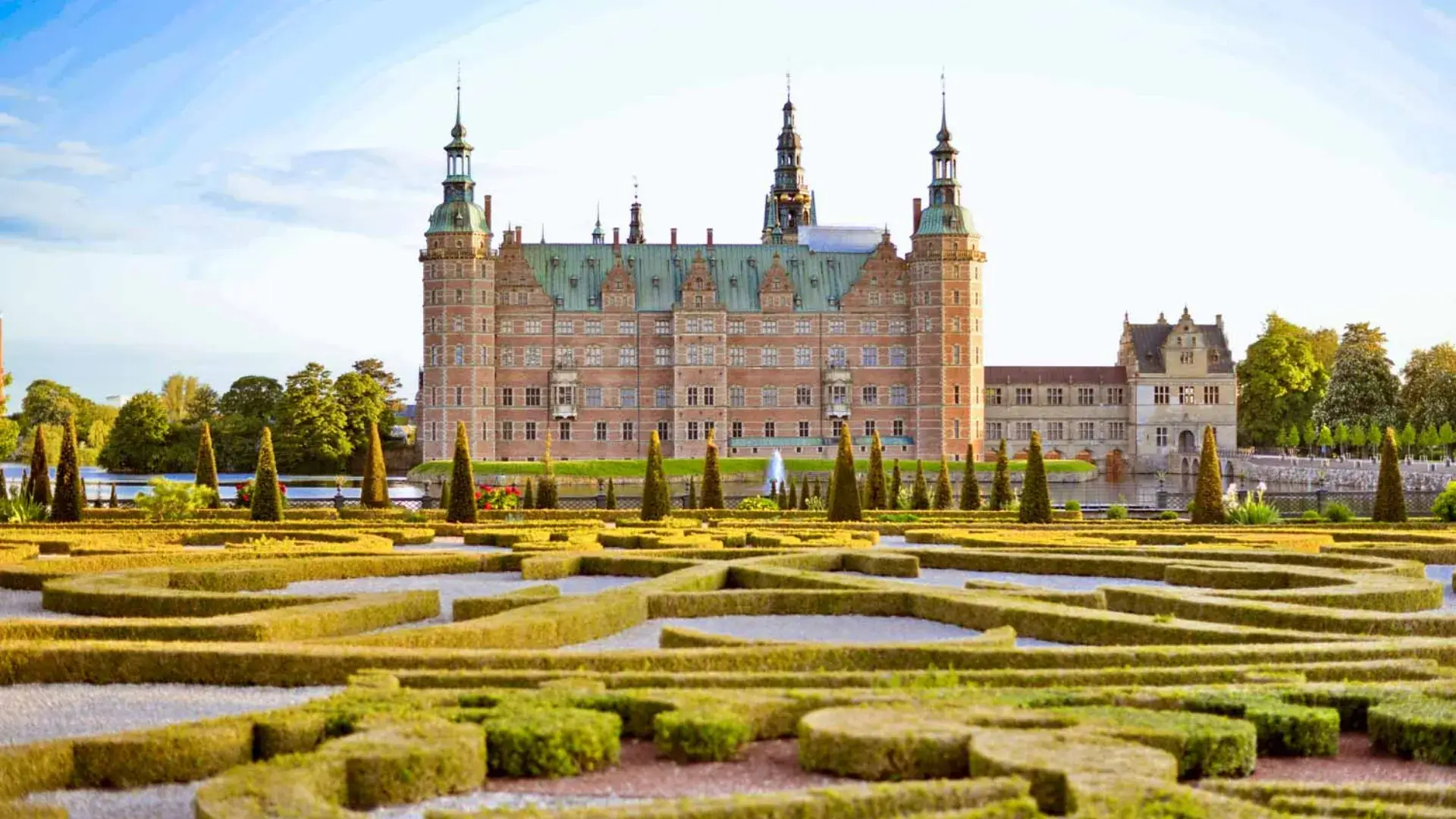
Copenhagen’s charm: Wander past pastel harbours, canals and palaces, then stop for a great meal. The whole city is compact enough to explore on foot.
Bike-friendly cities: Hop on a bike and join the locals. Dedicated lanes make cycling one of the easiest and most fun ways to get around.
Hygge culture: Think candlelit evenings, cosy cafes and a warm, unhurried vibe that makes you feel instantly at home.
Great food: Start the day with a fresh pastry, try smorrebrod (open-faced sandwiches) for lunch, and finish at one of the country’s world-class restaurants.
Architecture and history: From sleek modern architecture to castles, museums and Viking heritage, there’s plenty to keep curious travelers busy.
Easy travel: Trains and metros run on time and almost everyone speaks English, so getting around feels simple, even on your first visit.
Family-friendly attractions: Parks, playgrounds, beaches and museums mean there’s something for every age.
In short, Denmark combines culture, comfort and convenience, which makes it a great pick for first-timers, couples, families and solo travelers alike.
The best time to visit depends on what you want from your trip. Summer is the most popular season, but each time of year has its own appeal.
Season | What to Expect |
Spring (March to May) | Mild weather, blooming parks and fewer crowds |
Summer (June to August) | Long daylight hours, outdoor festivals and the warmest weather; the busiest and priciest season |
Autumn (September to November) | Cooler, quieter and good for city breaks and museums |
Winter (December to February) | Cold and dark, but cosy, with Christmas markets and festive lights |
If you want pleasant weather, decent daylight and room to breathe, late spring or early autumn is your sweet spot.
Denmark is well connected to the rest of Europe and the world. Most international visitors arrive by air, but trains, ferries and road links are also popular, especially if you’re traveling around Scandinavia or northern Europe.
Means of Transport | Details |
By air | Copenhagen Airport (Kastrup) is the main international hub, with direct flights from many European and global cities. Billund, Aarhus and Aalborg handle smaller routes |
By train | International trains link Denmark with Germany and with Sweden via the Oresund Bridge |
By ferry | Ferry routes connect Denmark with Germany, Sweden and Norway |
By bus | Long-distance coaches run from many European cities |
By car | Road and bridge connections link Denmark with Germany and Sweden; carry your licence and an international driving permit if needed |
Once you land, the airport has quick metro and train links into central Copenhagen, so you can be in the city within about 15 minutes. Just keep an eye on your luggage on the airport trains, as the UK government warns about thieves there.
Let’s start with the concern. Is Denmark safe for tourists? Overall, very. The UK government describes crime levels as generally low, and Canada rates road conditions and healthcare as excellent. Violent crime against visitors is uncommon, and most problems are petty ones like pickpocketing.
That said, official advisories do ask you to stay alert. If you’re wondering is it safe to travel to Denmark right now, here’s how the three governments see it:
Government | Advisory Level | Main Concern |
United States | Level 2: Exercise Increased Caution | Terrorism |
Canada | Exercise a high degree of caution | Terrorism; petty crime |
United Kingdom | No “avoid travel” warning | Terrorism “cannot be ruled out”; pickpockets |
Don’t let the wording alarm you. Level 2 is the same category given to many popular European destinations such as France and Germany. Canada also notes Denmark’s national terror threat level sits at 4 (“significant”) on a 5-step scale, which is about staying aware, not canceling your trip. These ratings can change, so check the official pages again before you fly.
Here’s a quick snapshot of what safety in Denmark for visitors looks like in practice:
Risk Area | Level | What to Know |
Violent crime | Low | Rare for tourists; isolated gang incidents in specific areas |
Petty theft | Moderate | Crowded places in Copenhagen |
Terrorism | Low but present | Stay aware in crowds and at major events |
Road safety | Very good | Watch for cyclists |
Healthcare | Excellent | Emergency care is free; follow-up is not |
A lot of travelers are concerned about: Is Copenhagen safe for tourists? Yes, and it’s a great city to walk, cycle and explore. The main thing to manage is pickpocketing. According to the UK’s advice, bag-snatchers work crowded areas, mainly in the capital.
These are the spots where you should keep your bag zipped and your phone out of back pockets:
Location | Why Be Careful |
Copenhagen Central Station | Crowds and distracted travelers |
Nørreport Station | Busy commuter hub |
Stroget shopping street | Dense foot traffic |
Nyhavn and Kongens Nytorv | Tourist hotspots |
Copenhagen Kastrup Airport | Luggage and arrivals |
Christiania and Nørrebro | Take extra care late at night |
If you’re visiting Christiania, there’s an important rule: don’t take photos. Canadian advice warns of zero tolerance for photography there, and tourists have been assaulted or robbed after snapping pictures. Avoid areas where drugs are openly sold, and keep your visit short and daytime if you can.
Denmark safety for American tourists comes down to a few practical points. The US State Department’s advisory asks travelers to be aware of their surroundings at tourist sites, transport hubs, markets, hotels and big events. It also suggests you:
Enrol in the Smart Traveler Enrollment Program (STEP) for alerts.
Follow instructions from local authorities and monitor local media.
Keep a contingency plan in case plans change.
You’ll also want to save the US Embassy in Copenhagen’s number: +45 3341-7100. It’s the same line for emergencies. Americans can generally visit the Schengen area visa-free for up to 90 days in any 180-day period, but check the latest entry rules (including ETIAS, once it launches) on official sites only, and beware of fake ETIAS websites.
One more tip: carry travel insurance with medical cover. Your home health plan may not cover you abroad, and insurance gives real peace of mind.
Reassuringly, common travel scams in Denmark are fairly mild, and most are petty thefts rather than elaborate cons. Canadian advice explains that pickpockets often work in teams: one person distracts you while another takes your wallet or phone.
Scam or Tactic | How It Works | How to Avoid It |
Team distraction | Someone bumps you or asks a question while a partner steals | Keep valuables in front pockets or a zipped bag |
Well-dressed hotel and cafe thieves | They blend in and target bags left on chairs or at feet | Never leave bags unattended, even for a moment |
Luggage snatching on trains | Bags lifted from racks or the aisle | Keep luggage in sight, especially on airport trains |
Fake booking or entry sites | Imitation websites charge for “official” travel authorisations | Use official EU and government websites only |
Photo-related confrontations | Taking pictures in Christiania can trigger aggression | Put the camera away there |
A golden rule: if something feels rushed or pushy, step away. Danes are famously polite and low-key, so high-pressure behaviour is a red flag.
If you’re still asking is it safe to travel to Denmark with your own travel style, these Denmark travel safety tips cover nearly every situation:
Be bike-aware. Cyclists often have the right of way. Check bike lanes before stepping off the kerb, and before turning right if you’re driving.
Keep documents safe. Use a hotel safe for your passport and carry a photocopy or photo.
Use cards and phones. Denmark is largely cashless, so you can carry less cash.
Avoid protests. Even peaceful demonstrations can turn disruptive, so steer clear.
Watch the weather. Coastal flooding can occur, and autumn and winter bring wind and rain.
Buy travel insurance. It should cover theft, medical care and delays.
Be careful with e-scooters. Riding one while drunk can lead to a drink-driving charge.
Public transport is one of Denmark’s strengths, and public transport safety in Denmark is generally excellent. Services are clean, punctual and well-lit. Still, the UK government warns that thieves target crowded transport, so use the same common sense you’d use at home.
Transport | Safety Notes |
Metro | Frequent and safe; watch bags at busy stations like Nørreport |
S-trains and regional trains | Keep luggage within sight, especially airport trains |
Buses | Safe and reliable; keep phones secure in the rush hour |
Cycling | Very common; follow bike lane rules and wear a helmet |
Taxis and rideshare | Use licensed taxis or apps with clear pricing |
Validate your ticket or use a travel app before you board, since inspectors do check. Traveling late at night? Sit near other passengers, keep your belongings on your lap, and you’ll be fine.

Understanding local laws and customs in Denmark keeps you out of trouble. A few rules surprise visitors:
Rule | What to Know |
Face coverings | It’s illegal to hide your face in public, with exemptions such as health masks or weather. The UK says the fine is 1,000 krone (about £115) |
Illegal drugs | Cannabis included. The UK warns of sentences up to 10 years, even for transit passengers |
Driving | Headlights on at all times; hands-free calls only; drink-driving penalties are severe |
Same-sex relationships | Legal, and Denmark is widely considered welcoming |
Money | Currency is the Danish krone (DKK); some shops add a surcharge for foreign cards |
On etiquette, Danes value punctuality, equality and personal space. Queue politely, keep your voice down on public transport, and don’t be surprised if strangers aren’t chatty. It isn’t rudeness; it’s just their style.
Save these before you land. Emergency numbers in Denmark are simple, and operators generally speak English.
Service | Number |
Police, fire, ambulance | 112 |
Police (non-emergency) | 114 |
Medical helpline, Copenhagen area | 1813 |
US Embassy Copenhagen | +45 3341-7100 |
Canadian Embassy Copenhagen | +45 3348 3200 |
If your passport is stolen, report it to the police, then contact your embassy for an emergency travel document. Keep a digital copy of your passport, insurance policy and bookings in your email or cloud storage.
Denmark’s healthcare is excellent, but it helps to prepare. These health precautions for travelers in Denmark are worth noting:
Topic | Advice |
Routine vaccines | Make sure they’re up to date, including measles (MMR), tetanus and flu |
Tick-borne encephalitis | Present in some areas; higher risk from April to November if hiking or camping in forests |
Medication | Bring enough in the original container, in your carry-on, with a copy of your prescription |
Medical costs | Emergency treatment is free, but follow-up care is paid, so get travel insurance |
Language | Many doctors speak English, especially in cities |
Check Denmark’s import rules for medicines before you travel, as some are restricted. Visit a travel clinic around six weeks before departure if you can.
Solo visitors and families often ask, is it safe to travel to Denmark alone or with kids? Absolutely, and many consider it one of the easiest countries for both.
Traveler | Tips |
Solo travelers | Share your itinerary, stay in central areas, keep your phone charged and trust your instincts |
Solo women | Denmark is widely regarded as very comfortable for solo women; use standard city precautions at night |
Families | Watch children near bike lanes and canals; use child seats if you hire a car; keep kids close in crowds |
Groups | Agree on a meeting point in case you get separated |
Copenhagen’s playgrounds, harbour baths and museums make it a brilliant family city, and the compact centre is easy to navigate on foot.

Mostly, yes. Main streets, squares and the harbour area stay lively and well-lit, and locals happily cycle home late. If you’re still stuck with the question: Is it safe to travel to Denmark and go out in the evening, the same principles apply as in any European capital.
Stick to well-lit, busier streets after midnight.
Take extra care in Christiania and Norrebro late at night, as the UK and Canada both mention some gang-related incidents there.
Avoid poorly lit areas, as Canada advises.
Keep your drinks in sight and don’t leave belongings on bar tables.
Pre-book a licensed taxi or ride app if you’re out late.
The big question, is it safe to travel to Denmark? Yes. With low crime, strong healthcare and excellent infrastructure, it’s a wonderful destination for first-timers, solo travelers and families. Take the basic precautions, respect local laws, save your emergency numbers and keep an eye on official advisories. Do that, and you can focus on pastries, bike rides and canal-side sunsets.
Travel advisories change. Always check the latest guidance from your government before you travel.
Ready to explore Denmark with confidence? Visit EraEase for practical travel guides, safety tips and destination insights that make planning easier. Start your next adventure with information you can trust.
Is Denmark safe for first-time visitors?
Yes. Crime is generally low, transport is reliable and English is widely spoken. Just watch for pickpockets in crowded Copenhagen areas and stay aware in busy public places.
Is Copenhagen safe to explore at night?
Generally yes, especially in central, well-lit areas. Take extra care in Christiania and Nørrebro late at night, avoid poorly lit streets and use licensed taxis for late journeys.
Is Denmark suitable for solo female travelers?
Yes. Denmark is widely regarded as welcoming and comfortable for solo women. Use ordinary city precautions, share your plans with someone and trust your instincts.
What should tourists avoid doing in Denmark?
Avoid taking photos in Christiania, using or carrying illegal drugs (cannabis included), covering your face in public without an exemption, and riding e-scooters after drinking. Don’t step into bike lanes without looking.
What should you do in an emergency in Denmark?
Call 112 for police, fire or ambulance. For non-urgent police matters, call 114. Then contact your embassy if your passport is lost or you need consular help, and notify your insurer as soon as possible.
Plan Your Personal Itinerary Today
Turn your travel inspiration into a personalized itinerary built around your dates, budget, and interests.
Plan Your Personal Itinerary →About

EraEase brings practical guides on travel, automotive, e-commerce, and education, helping you simplify choices and make smarter decisions.
Newsletter
Subscribe to our newsletter and be the first to access exclusive content and expert insights.
By clicking the Subscribe button, you acknowledge that you have read and agree to our Privacy Policy and Terms & Conditions