Bolivia Travel Advisory Safety Tips and Updates for 2026
Stay informed with the latest Bolivia Travel Advisory. Learn about safety updates, travel risks, and essential tips for planning a secure trip to Bolivia.

Kajal Bharti
Travel Researcher with 3+ Years of Experience in Destination Research and Travel Planning.
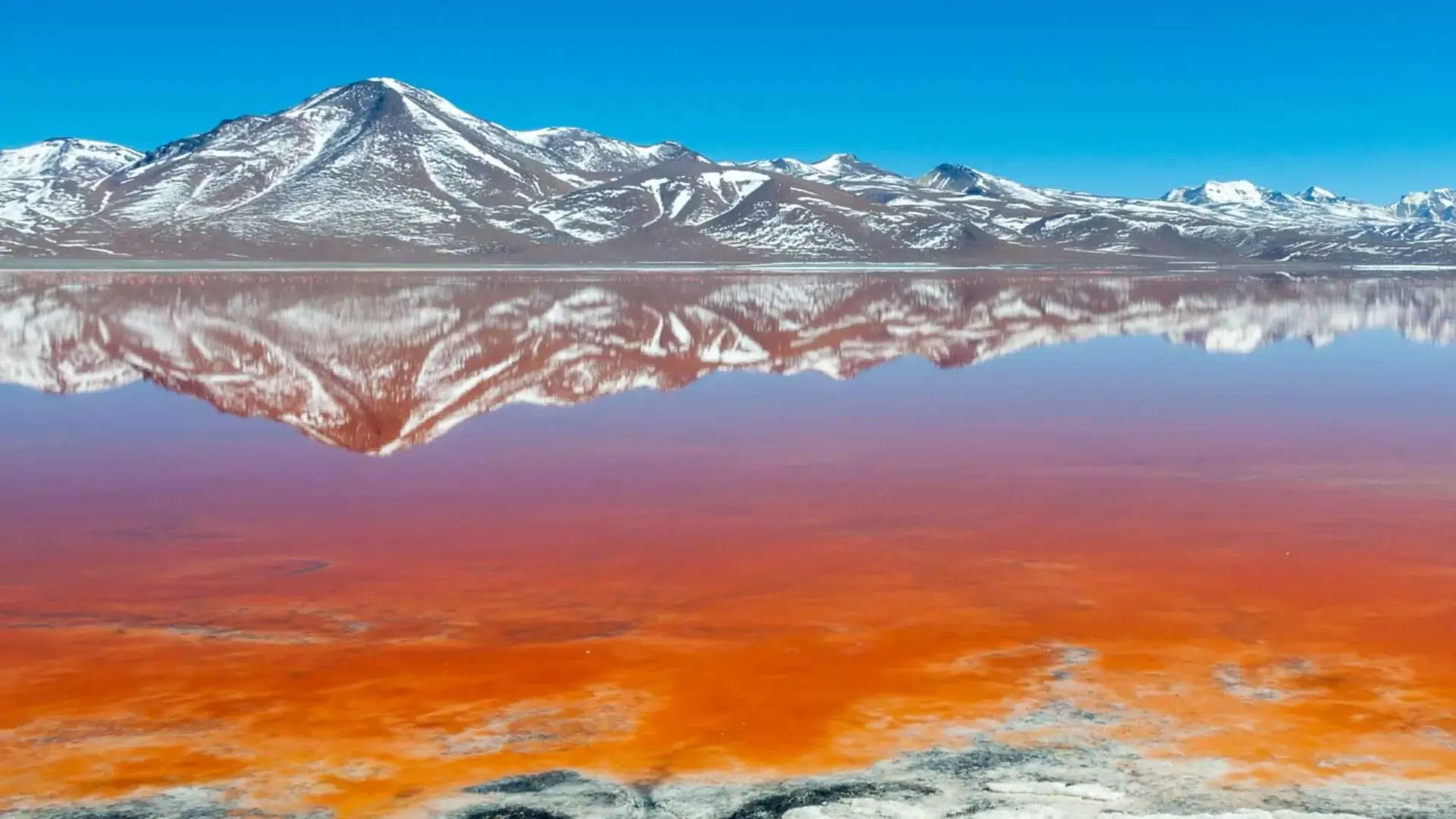
From the reflective Salar de Uyuni to the towering mountains of the Andes and the vibrant roads of La Paz, Bolivia is among the most exciting destinations to explore in South America. However, when planning to visit Bolivia, most visitors have one question in their mind: Is Bolivia safe for tourists?
The answer to this question is simple. Yes, thousands of people safely visit Bolivia each year without any major problems. However, similar to most other developing countries, it is always wise to be updated with current situations, the latest Bolivia travel advisory, local customs and government warnings. This guide includes all you need to know regarding Bolivia travel safety such as the level of criminality in the area, entry requirements, and travel restrictions.
Current Bolivia Travel Advisory

Before embarking on your journey, you should review the latest Bolivia travel advisory from your respective government. According to the present U.S. travel advisory Bolivia status is Level 2: Exercise Increased Caution because of crime, civil unrest, and limited health services in certain areas. Travelers are advised to avoid travel to Chapare Province and exercise increased caution in some parts of La Paz because of protests and transport problems.
Both the governments of the UK and Canada have advised the tourists to stay alert, follow news updates about their destination, and refrain from going to places witnessing protests.
Is Bolivia Safe for Tourists in 2026?
Most tourists worry more about petty theft, transport delays, and political protests, which can happen, but less about violent crimes. Tourist attractions like Salar de Uyuni, Sucre, Lake Titicaca, and numerous areas of the Amazon remain welcoming to travelers.
Preparation is crucial here. Visitors that maintain situational awareness, do not venture into areas of protest, and follow recommendations included in the latest Bolivia travel advisory have been known to have safe and exciting vacations throughout Bolivia. In this way, Bolivia can be considered relatively equivalent to other destinations when it comes to South America travel safety.
Understanding Bolivia Crime Rates
When it comes to Bolivia crime rates, it is crucial to separate petty crimes from serious crimes.
Petty crimes continue to be the top problem among travelers. Theft from tourists can include pickpockets, bag snatchers, and thieves who steal phones. The government always advises visitors that their greatest risk comes from petty crimes.
In order to minimize the chance of being victimized:
Keep your valuables out of sight.
Do not wear costly jewelry or gadgets.
Always use registered taxis and public transport.
Carry only the money you need on hand.
Secure your passport and other important papers.
However, violent crime against tourists is rare in such places; however, caution should be exercised, especially during the night.
Safety in La Paz Bolivia
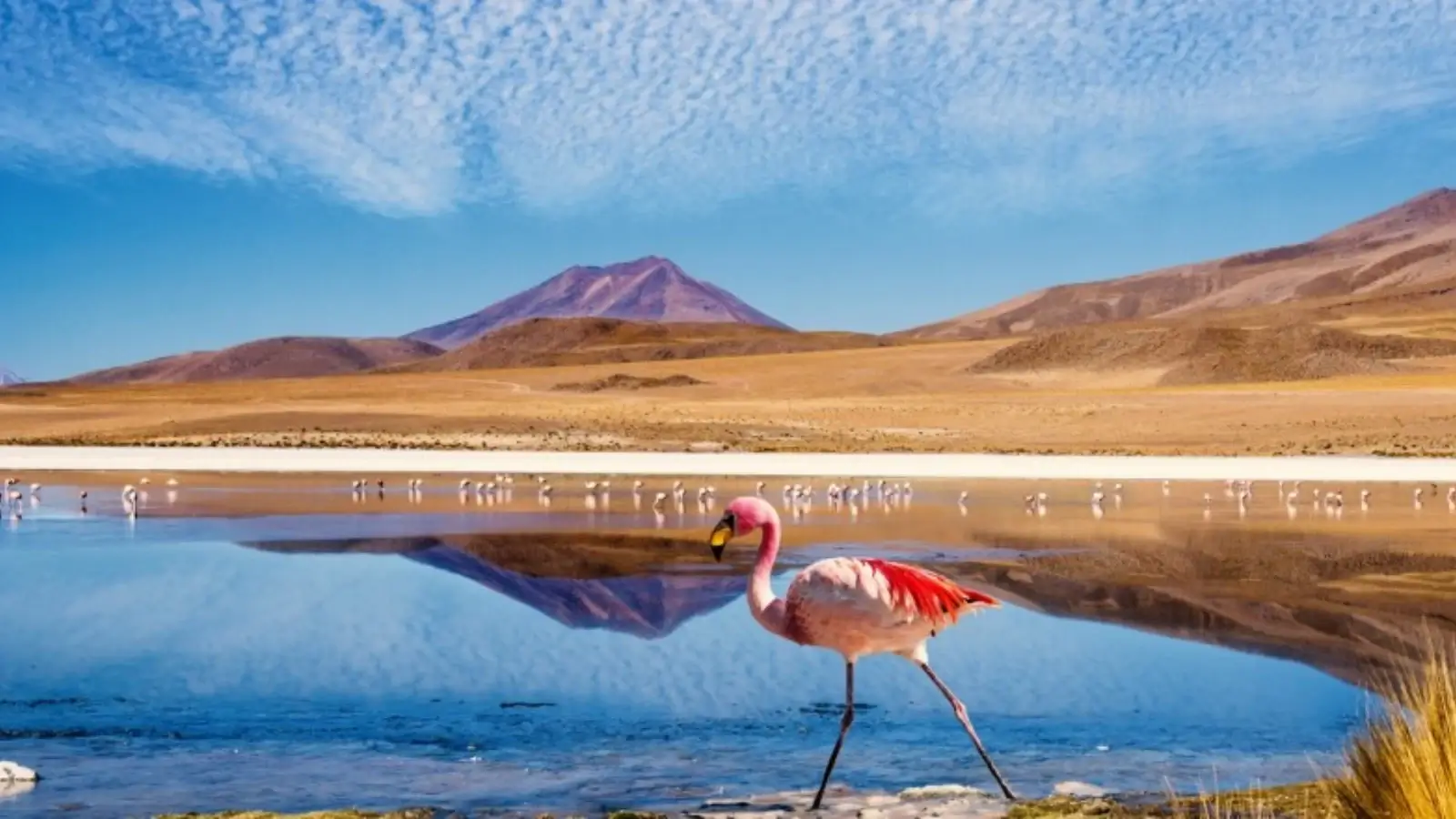
One of the top searched areas would be the topic of safety in La Paz Bolivia because of its significance to people. Being the administrative capital and main transportation center of Bolivia, La Paz is often the first destination for foreign tourists.
La Paz is relatively secure for visitors during daytime hours, particularly in the tourist areas. Nevertheless, visitors need to be careful at busy markets, bus terminals, and quiet streets. Present day political protests have led to some disturbances in terms of transport services, which are often highlighted in the Bolivia travel advisory.
If traveling to La Paz:
Stay up to date on any local demonstrations.
Do not participate in crowds and demonstrations.
Add additional time to your schedule for airport transportation.
Use domestic flight services when there are issues with road transports.
Most tourists consider La Paz to be an exciting place to visit because of its scenic landscape, rich culture, and delicious cuisine.
Bolivia Travel Restrictions and Political Protests
There have been several protest marches and blockades in recent times in Bolivia. Such actions may result in delays, especially when traveling near La Paz and in the western parts of Bolivia. Visitors must be aware of Bolivia travel restrictions and regularly check the Bolivia travel advisory before visiting.
Road blockages can lead to:
Delayed city-to-city bus services.
Restrictions in fuel availability.
Problems reaching the airports.
Changes in itinerary.
Domestic air travel is the preferred means of transportation suggested by many travel professionals because it is more dependable than road transport amid turmoil.
Bolivia Entry Requirements
The knowledge about Bolivia entry requirements will help travelers prepare in order to avoid last-minute problems.
The following are important documents for most visitors:
A passport that expires six months after their expected date of arrival.
A minimum number of pages available in the passport.
Proof of onward journey if needed.
Yellow fever vaccination certificate for specific regions and countries.
There are many different nationalities that can visit Bolivia visa-free for tourism purposes, though depending on nationality there are different requirements. It is important to check all regulations prior to traveling.
Bolivia Tourist Safety Tips
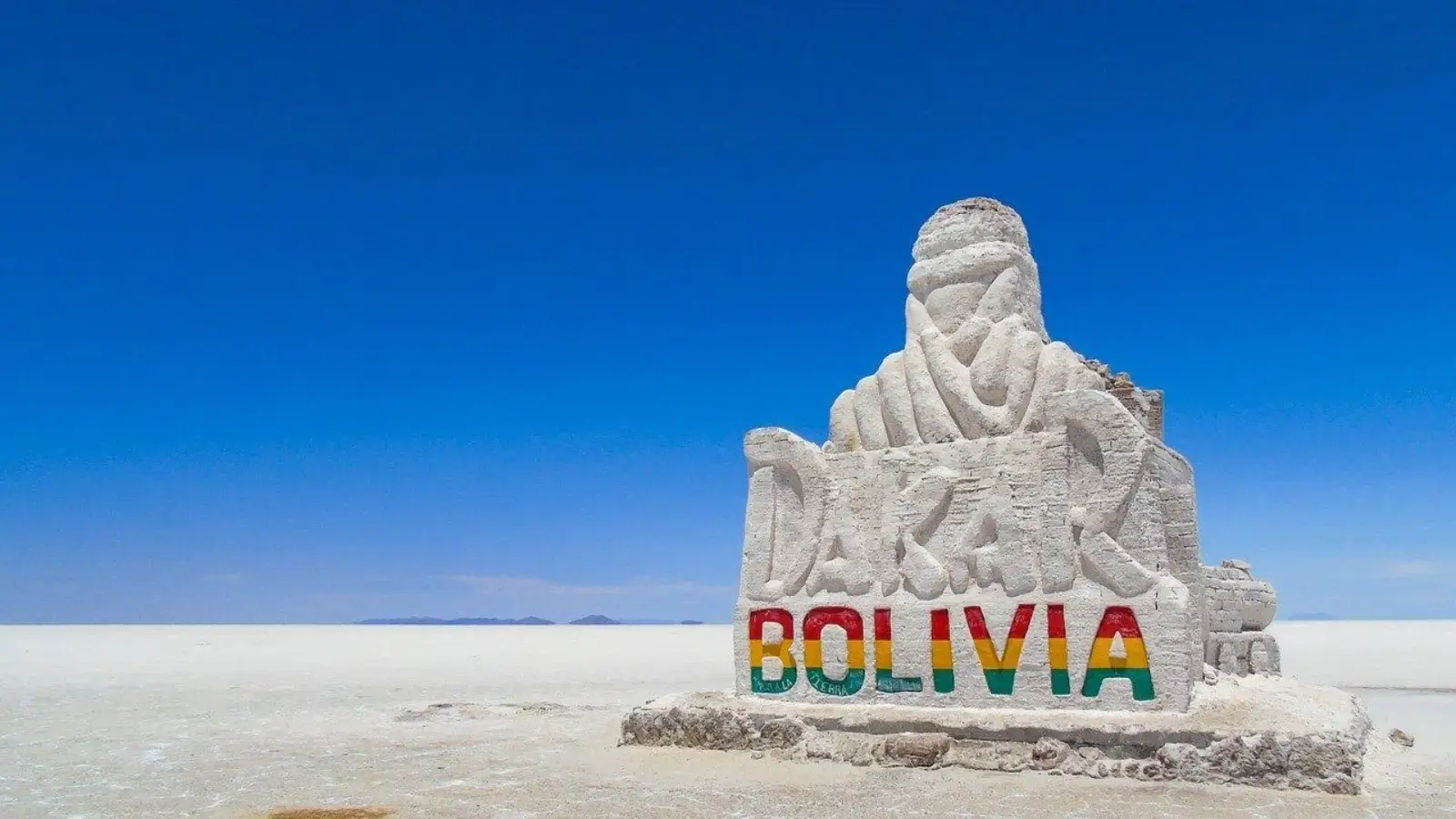
By following a few simple Bolivia tourist safety tips, one can really enhance your vacation experience.
Monitor Local News
Keep informed about any strikes, demonstrations, and transportation issues, and updates to the Bolivia travel advisory.
Book Reputable Tours
Adventure tourism in Bolivia is amazing, but safety levels may differ. Ensure you have done enough research before embarking on any hikes and expeditions within the mountains and the Amazon.
Prepare for High Altitude
City destinations like La Paz are above 3,500 meters. Make sure that you have enough time to adapt and stay hydrated.
Use Cash Carefully
Even though ATMs are readily available, at times, they may experience problems. Make sure you carry different sources of payment along with you.
Purchase Travel Insurance
Travel insurance including medical repatriation should definitely be considered in case you plan to indulge in adventurous sports far from home.
Respect Local Customs
It is important to always seek consent before taking someone's picture, especially in villages and native societies.
Conclusion:
Bolivia offers many unique adventures that can be experienced, including its Salt Flats and the forests of the Amazon. Although tourists need to be vigilant about protests, transportation delays, and petty crimes, trips are usually trouble-free. By adhering to Bolivia travel advice and updates on Bolivia travel advisory, one can safely explore Bolivia’s magnificent sites.
Plan Your Bolivia Adventure with EraEase
Ready to experience Bolivia worry-free? Allow EraEase to help you with perfect itinerary planning through well-detailed travel guidance, personalized trip planning, and reliable support during your travel experience.
FAQ’s
Is Bolivia safe for tourists in 2026?
Yes, many tourists travel to Bolivia safely every year by simply following instructions given locally, being cautious of their surroundings, and reviewing travel warnings issued by governments.
What is the biggest safety concern for travelers in Bolivia?
Pick pocketing and purse snatching in crowded places is the major problem that affects travelers.
Do I need to check the Bolivia travel advisory before visiting?
Yes, reviewing the latest information about Bolivia travel advisory can help you stay informed regarding any civil unrest and transport problems.
Is La Paz safe for tourists?
La Paz is quite a secure city; however, tourists need to be careful while visiting markets, use safe means of transport, and avoid protesting zones.
What should I pack for a safe trip to Bolivia?
Travel insurance, copies of important papers, medicine for altitude sickness, emergency numbers, and backpacks to keep your valuables in.

About

EraEase brings practical guides on travel, automotive, e-commerce, and education, helping you simplify choices and make smarter decisions.



Newsletter
Subscribe now to stay updated with top news!
Subscribe to our newsletter and be the first to access exclusive content and expert insights.
By clicking the Subscribe button, you acknowledge that you have read and agree to our Privacy Policy and Terms & Conditions