Plan Your Personal Itinerary Today
Loved this destination? Make it your next adventure.
Turn your travel inspiration into a personalized itinerary built around your dates, budget, and interests.
Plan Your Personal Itinerary →Explore Croatia Flights to compare airlines, discover convenient routes, check airfare options and plan your journey with essential booking tips for a smooth trip.

Kajal Bharti
Travel Researcher with 3+ Years of Experience in Destination Research and Travel Planning.

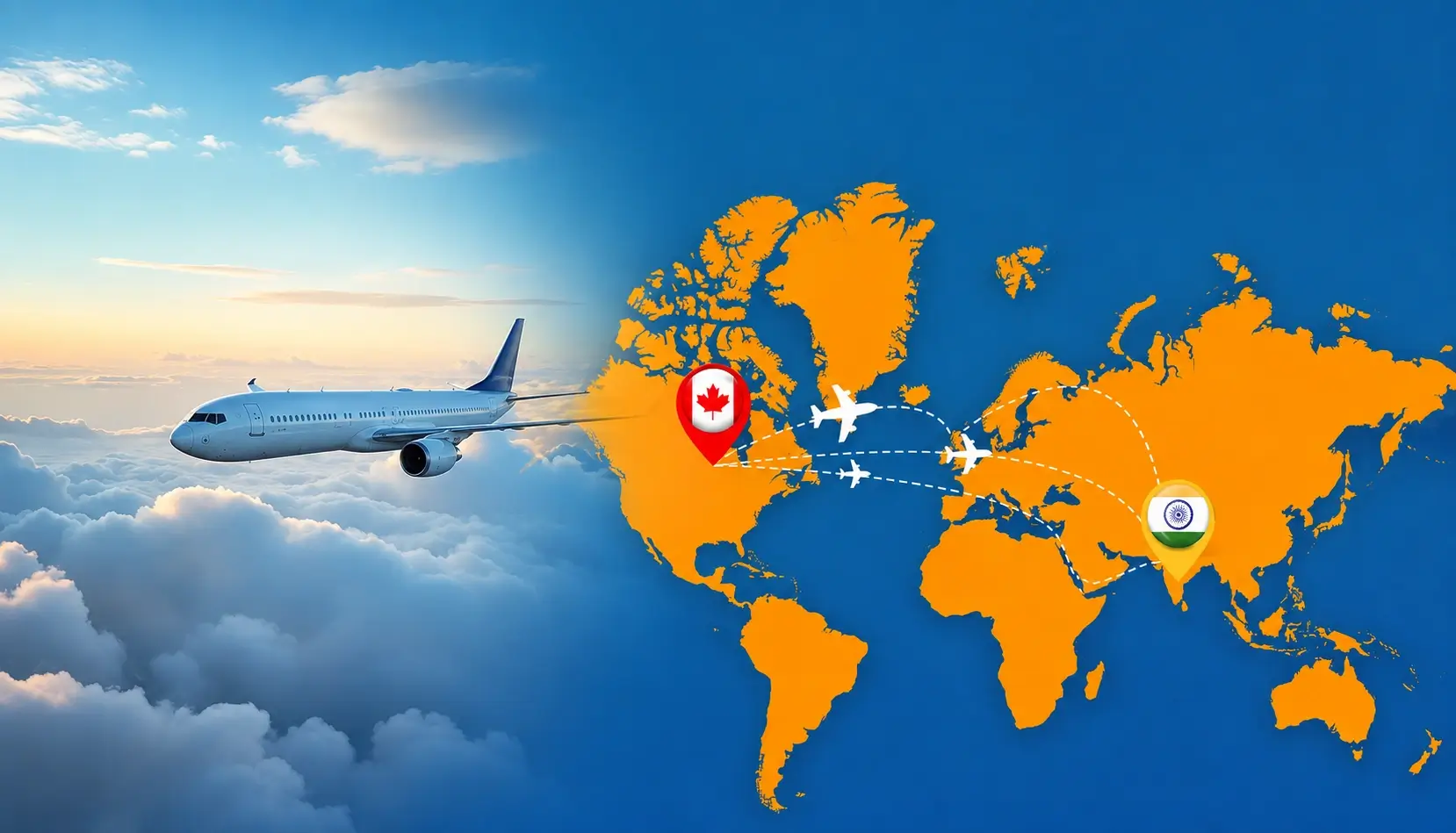
Dreaming of Croatian islands, old stone towns and sunsets over the Adriatic? Good choice. Booking Croatia flights from India takes a bit of planning, though. There’s no nonstop service, so you’ll connect through a Gulf, Turkish or European hub before landing in Zagreb, Split or Dubrovnik. Here’s everything you need to know, from routes and airports to fares, timing and a handy checklist.
Croatia has become a favourite for Indian travelers, and it’s easy to see why. You get beautiful islands, medieval towns and Mediterranean weather, all in one trip. It’s also in the Schengen Area and uses the euro, so once you understand the flight setup, the rest of the planning is pretty smooth.
Right now, no airline operates nonstop Croatia flights between any Indian city and any Croatian airport, whether you’re leaving from Delhi, Mumbai or Bengaluru.
Here’s what that means for you:
Every itinerary for Croatia flights has at least one stop.
The usual stopover cities are Doha, Dubai, Abu Dhabi, Istanbul, Frankfurt and Vienna.
Schedules change, so it’s worth checking airline websites for any new nonstop Croatia flights before you book.
The upside is that one-stop options are plentiful, with daily departures from major Indian cities.
The distance is around 6,000 km, but the connection is what really shapes your travel day. Most journeys follow a handful of well-worn paths.
Departure City | Typical Transit Hub | Likely Arrival Airport | Approx. Total Time |
Delhi | Doha, Dubai, Istanbul, Frankfurt, Vienna | Zagreb, Split, Dubrovnik | 10–18 hours |
Mumbai | Doha, Dubai, Abu Dhabi, Istanbul | Zagreb, Dubrovnik | 10–16 hours |
Bengaluru | Doha, Dubai, Istanbul | Zagreb, Split | 11–17 hours |
Chennai/ Hyderabad | Doha, Dubai, Abu Dhabi | Zagreb | 11–17 hours |
Kolkata | Doha, Dubai, Istanbul | Zagreb | 12–18 hours |
Gulf hubs usually land at the shorter end of the range, while European hubs sit towards the longer end because of the extra distance on the first leg. Two-stop trips or long layovers can stretch the journey to 18–30 hours. If you live near Delhi or Mumbai, you’re in luck: these cities offer the most airlines and the widest choice of timings, which often means better deals too.
Where you land can make or break your trip, so think about which part of the country you want to see most. Many travelers also book an open-jaw itinerary, flying into one city and out of another so they don’t have to retrace their steps.
Zagreb Franjo Tuđman Airport (ZAG): The main hub, with the most connections all year round. It’s usually the easiest entry point from India and suits city breaks, Plitvice Lakes and inland trips.
Split Airport (SPU): Your gateway to central Dalmatia, including Hvar, BraC, Trogir and Krka National Park. It’s busiest from late spring to early autumn, and many connections are seasonal.
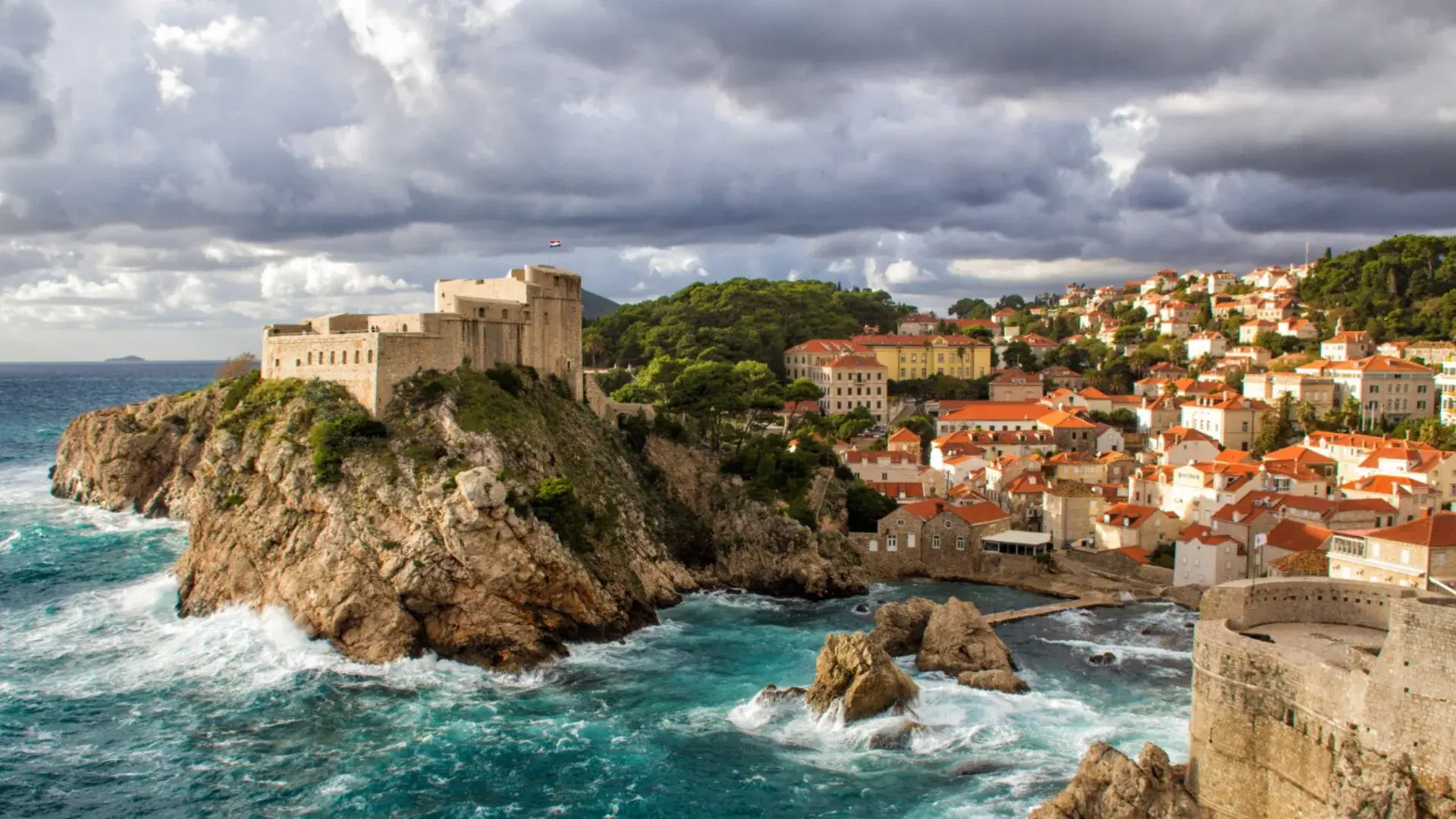
Dubrovnik Airport (DBV): The doorway to the southern coast, the famous Old Town and the PeljeSac peninsula. It’s handy for hopping over to Montenegro or Bosnia, with much stronger service in summer.
Zadar and Pula Airports for Coastal Destinations: Zadar is perfect for northern Dalmatia and the Kornati islands, while Pula is your pick for Istria, famous for truffles, olive oil and Roman ruins. Both are smaller, with mostly seasonal European links, so most Indian travelers reach them with an extra connection or by landing in Zagreb first.
Travel Style | Best Airport | Why |
City break and inland sightseeing | Zagreb (ZAG) | Most connections, central location |
Island hopping in Dalmatia | Split (SPU) | Ferry links to Hvar, Brac and Vis |
Old Town and southern coast | Dubrovnik (DBV) | Closest to Dubrovnik and PeljeSac |
Quieter coastal trip | Zadar (ZAD) | Gateway to northern Dalmatia |
Food and wine in Istria | Pula (PUY) | Direct access to the peninsula |
If this is your first visit, Zagreb is the easiest place to start. It has the most connections and the simplest logistics, and the routes are straightforward.
Route Pattern | Second Leg Duration | Best For |
Delhi/Mumbai – Doha – Zagreb | About 4.5–5 hours | Evening connections, frequent departures |
Delhi/Mumbai – Dubai – Zagreb | About 5 hours | Lots of departure time choices |
Delhi/Mumbai – Istanbul – Zagreb | About 2 hours | A good balance of fare and journey time |
Delhi – Frankfurt/Vienna/Munich – Zagreb | About 1.5–2 hours | Short final leg, smooth onward service |
For layovers, two to four hours is the sweet spot for a same-airport connection. Anything shorter can get stressful, especially if your flights are on separate tickets. If you have six hours or more, look for lounge access or a stopover programme to make the wait easier, and always check that your bags are checked through to Zagreb.
The airport is only about 10 km south-east of the city, so you’ll be in town quickly.
Option | Approx. Time | Notes |
Airport shuttle bus | 25–30 minutes | Goes to the main bus station, easy on the wallet |
Taxi or ride-hailing | 20–30 minutes | Handy with heavy luggage |
Pre-booked transfer | 20–30 minutes | A relief for late-night arrivals |
Prices and timetables change from time to time, so double-check locally.
With no nonstop option for Croatia flights, the airline you pick decides your hub, your layover and how comfortable the trip feels. Here are the carriers Indian travelers use most for Croatia flights.
Popular Airlines for Indian Travelers
Airline | Typical Hub | Notes |
Qatar Airways | Doha | Big Indian network, frequent connections |
Emirates | Dubai | Daily departures from many Indian cities |
Etihad Airways | Abu Dhabi | Competitive fares on some routes |
Turkish Airlines | Istanbul | Wide European coverage, often good value |
Lufthansa/Austrian/Swiss | Frankfurt, Vienna, Zurich | Smooth European connections |
Air India and partners | Delhi, Mumbai | Useful for linking up with European hubs |
Croatia Airlines | Zagreb | Flies the final leg from several European cities |
Not every airline flies every route all year, so verify your exact itinerary before booking.
Looking for convenient connecting routes? Compare Qatar Airways flights via Doha for frequent departures and evening connections, check Emirates for daily Dubai departures from many Indian cities, or see what Etihad Airways is offering through Abu Dhabi, where fares can be quite competitive on some routes.
European and Middle Eastern Transit Hubs
Each hub has its own personality, so here’s what to expect.
Hub Region | Advantages | Drawbacks |
Gulf (Doha, Dubai, Abu Dhabi) | Frequent departures, short first leg, many evening connections | Longer second leg |
Turkey (Istanbul) | Often easy on the budget, balanced leg lengths | Big airport that can get busy |
Europe (Frankfurt, Vienna, Munich) | Short final leg, smooth onward service | Longer first leg from India |
Want a good balance of fare and journey time? Browse Turkish Airlines flights via Istanbul for wide European coverage and great value, or look at Lufthansa if you’d rather have a short final leg and smooth onward service through Frankfurt.
When comparing options, don’t just chase the lowest price. Look at total journey time rather than time in the air, the checked baggage on every leg, layover length and terminal changes, and whether everything is on one ticket. A single ticket protects you if your first flight runs late. Paying a little extra for 30 kg of baggage and a comfortable three-hour layover often beats a rock-bottom fare with a tight connection and no bags included.
Your connection is probably the most important choice you’ll make when booking, so it’s worth getting right.
Common Connecting Routes From Delhi and Mumbai
Route | Typical Pattern |
Delhi – Doha – Zagreb | Overnight first leg, morning connection |
Delhi – Istanbul – Zagreb/Split | Early arrival in Istanbul, afternoon onward |
Mumbai – Dubai – Zagreb/Dubrovnik | Late departure, mid-morning onward |
Delhi – Frankfurt – Zagreb | Long first leg, short second leg |
Mumbai – Abu Dhabi – Zagreb | Evening departure, overnight arrival |
One-Stop vs Two-Stop Flights to Croatia
Two stops can save a little money, but you’ll feel it in your energy levels. For most trips, one stop is the smarter way to go.
Factor | One Stop | Two Stops |
Total time | 10–18 hours | 18–30 hours |
Fares | Usually higher | Sometimes lower |
Risk of disruption | Lower | Higher |
Comfort | Better | More tiring |
Best for | Most travelers | Very budget-focused travelers |
Two stops can save a little money, but you’ll feel it in your energy levels. For most trips, one stop is the smarter way to go.
Layover, Visa and Airport Change Tips
Aim for two to four hours at an airport with good facilities, and choose hubs where you won’t need to change terminals.
Be careful with late-night arrivals followed by very early flights, unless you’ve planned a hotel.
Indian passport holders need a Schengen visa to enter Croatia. Airside transit usually doesn’t need a separate visa, but rules differ by country, so check every airport on your route.
Steer clear of itineraries where you must collect your bags and check them in again, or switch airports within a city. Both cost more, take longer and add paperwork risk.
Prices swing quite a bit depending on when you travel, where you connect and how early you book. Here’s a rough idea of what return economy tickets for Croatia flights look like.
Season | Approximate Return Fare (Economy) |
Low season (Nov–Mar, excluding holidays) | INR 45,000 – INR 70,000 |
Shoulder season (Apr–May, Sep–Oct) | INR 55,000 – INR 85,000 |
Peak season (Jun–Aug, holidays) | INR 75,000 – INR 1,20,000+ |
These are only ballpark figures, so check live prices when you’re ready to book.
Return vs One-Way Croatia Flight Tickets
Ticket Type | Advantages | Drawbacks |
Return | Usually better value for a standard round trip | Less flexible if plans change |
One-way | Great for open-jaw trips and onward European travel | Often costs more than half a return fare |
What Moves the Price
Peak summer and school holidays: higher fares and fewer seats.
Festive periods (Diwali, Christmas, New Year): sharp price jumps.
Full-service carriers: higher base fare, but baggage is often included.
Busy hubs: often pricier, while less popular routings can be cheaper but longer.
The ticket price isn’t the whole story, either. Budget for checked baggage and seat selection fees, meals on some fares, the Schengen visa fee and mandatory travel insurance, airport transfers at both ends, and a hotel if you have a long overnight layover.
You don’t have to sacrifice comfort to save money. A few smart moves can make a real difference.
Compare airports and airlines: Check fares into Zagreb, Split, Dubrovnik, Zadar and Pula, and look at three or more airlines rather than sticking with one.
Stay flexible with dates: Moving your departure by a day or two, or flying midweek, can lower the price. A fare calendar on a booking platform helps you spot cheaper days at a glance.
Check nearby departure cities: Fares from Delhi or Mumbai can be lower than from smaller cities, and the savings may more than cover a domestic flight or train ride. Try to keep everything on one ticket so a delay doesn’t leave you stranded.
Compare connections properly: A slightly longer trip with a better layover is often the wiser pick.
Look beyond the lowest fare: The cheapest option may leave out baggage, meals or changes. Read the fine print and compare the total cost once extras are added.
Book too late and you’ll pay more. Book too early and you might miss a better deal. For summer, aim for three to five months ahead, since Split and Dubrovnik are in highest demand from June to August. April-May and September-October bring lovely weather, thinner crowds and friendlier fares, and booking two to four months ahead is usually enough. Winter fares are generally lower, except around Christmas and New Year, though some coastal services slow down in the colder months, so confirm your onward connections.
Travel Period | Suggested Booking Window |
Peak summer | 3–5 months ahead |
Shoulder season | 2–4 months ahead |
Winter (non-holiday) | 1–3 months ahead |
Christmas/New Year | 4–6 months ahead |
Keep an eye on prices, and when you see a fare that fits your budget, grab it.
Baggage rules depend on the airline and your fare type, so always confirm before you pay.
Airline Type | Typical Checked Baggage (Economy) | Typical Cabin Baggage |
Gulf carriers (Qatar, Emirates, Etihad) | 25–30 kg or one to two pieces | 7 kg |
Turkish Airlines | 20–30 kg depending on fare | 8 kg |
European carriers (Lufthansa, Austrian, Swiss) | One piece, about 23 kg | 8 kg |
Croatia Airlines (Europe leg) | One piece, often 23 kg on connecting fares | 8 kg |
A few handy tips:
On mixed itineraries, check which leg’s allowance applies.
Basic fares may not include checked baggage.
Weigh your bags at home to avoid nasty surprises at the counter.
Keep medicines, documents and chargers in your cabin bag.
Before you hit “pay”, run through this list. A few minutes now can save you a lot of stress later.
Documents: a passport valid for at least three months beyond your planned Schengen departure and issued within the last 10 years, a valid Schengen visa, travel insurance that meets Schengen requirements, proof of accommodation and return travel, and proof of sufficient funds.
Baggage and extras: confirm checked and cabin limits for every leg, and see whether seat selection and meals are included.
Layover details: check the layover duration, any terminal changes, whether your bags go straight through, and whether the whole journey is on a single ticket.
Names: make sure the names on your booking match your passport exactly.
Also read the fare rules before paying:
Item to Check | Why It Matters |
Cancellation fee | Affects your cost if plans change |
Refund timeline | Important if your visa is still pending |
Date-change fee | Useful if you want flexibility |
Name-correction policy | Saves you trouble at check-in |
A flexible fare costs a bit more, but it can be well worth it if your visa is still being processed.
Booking Croatia flights from India takes a connection, but it’s far easier than it sounds. Pick the airport that matches the kind of trip you want, choose a sensible one-stop route with a comfortable layover, and compare the full cost, including baggage and extras, rather than just the headline fare. Book early for summer, stay flexible if you’re chasing a bargain, and double-check your documents and ticket conditions before paying.
Sort these basics and you can spend less time worrying about logistics and more time dreaming about those turquoise bays and cobbled old towns. Happy travels!
Explore expert travel guides, flight tips and destination insights on EraEase. Compare routes, plan smarter and book with confidence. Start exploring at EraEase and turn your Adriatic dream into reality today!
Also Read This | |
The 10 Best Things to Do in Belgium for an Unforgettable Trip 2026 | Top 10 Places to Visit in Bulgaria A Complete Travel Guide 2026 |
How much does a flight from India to Croatia cost?
Return economy fares usually run from INR 45,000 to INR 1,20,000, depending on the season, airline and route. Booking early and travelling in the shoulder or low season is your best bet for a lower price.
Which airlines fly from India to Croatia?
None fly nonstop, but plenty of travelers use Qatar Airways, Emirates, Etihad, Turkish Airlines, Lufthansa, Austrian and Swiss through their hubs. Croatia Airlines or a partner often handles the last leg.
Is there a direct flight from India to Croatia?
Not at the moment. Every itinerary needs at least one stop, most often in Doha, Dubai, Abu Dhabi, Istanbul or a European city.
Which airport is best for visiting Croatia?
Zagreb is the easiest for most travelers, with the widest connections. Split is great for island hopping, Dubrovnik suits the southern coast, and Zadar or Pula work well for quieter coastal or Istrian trips.
When is the cheapest time to fly to Croatia?
Fares are usually lowest from November to March, apart from Christmas and New Year. April, May, September and October give you a nice mix of good weather and fair prices.
Plan Your Personal Itinerary Today
Turn your travel inspiration into a personalized itinerary built around your dates, budget, and interests.
Plan Your Personal Itinerary →About

EraEase brings practical guides on travel, automotive, e-commerce, and education, helping you simplify choices and make smarter decisions.
Newsletter
Subscribe to our newsletter and be the first to access exclusive content and expert insights.
By clicking the Subscribe button, you acknowledge that you have read and agree to our Privacy Policy and Terms & Conditions