How E Commerce Marketplaces Work Globally, Models Revenue and Growth
Understand how online marketplaces work, earn revenue, manage logistics and scale globally with simple insights for sellers, buyers and learners.
Think of this:
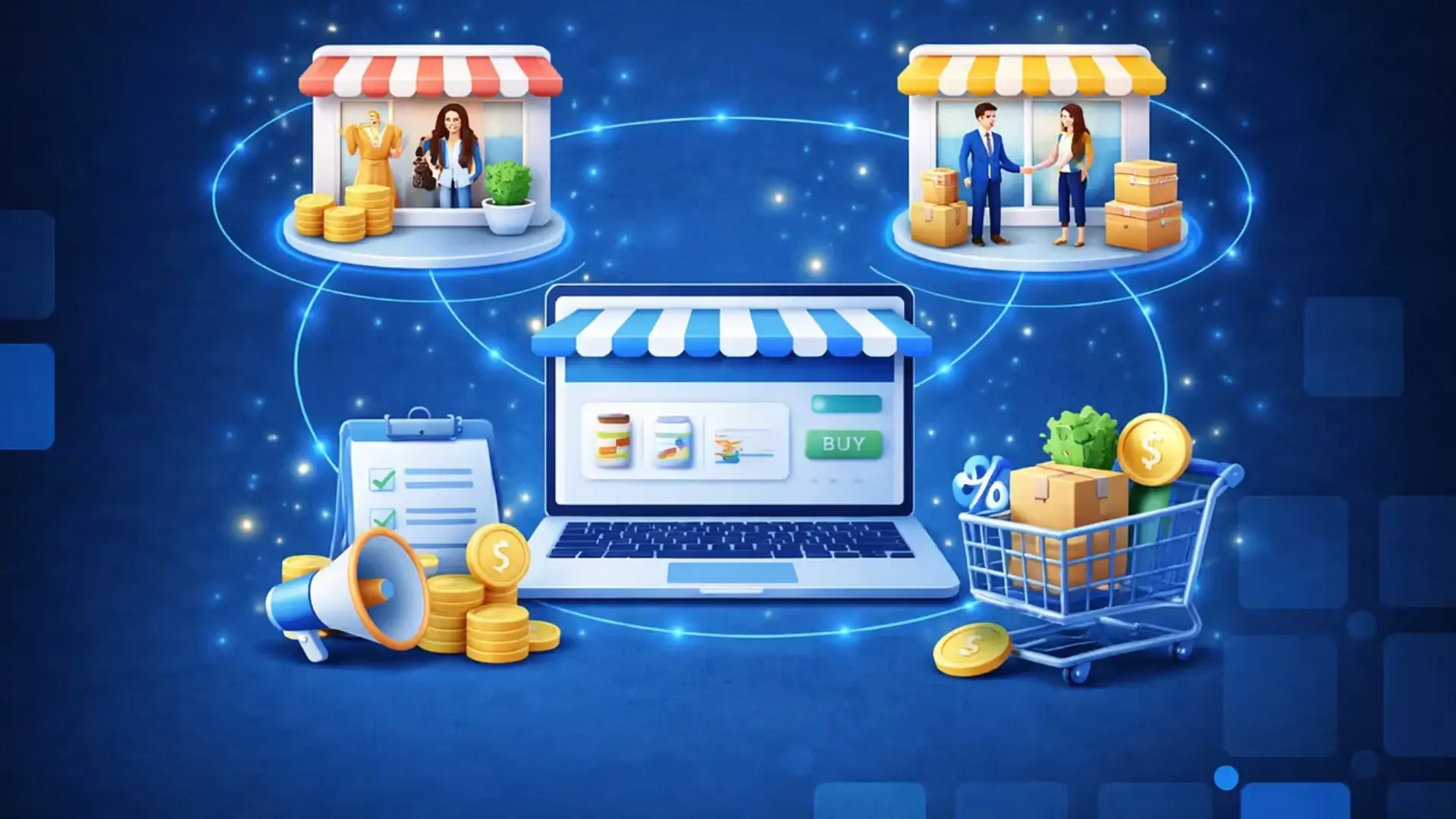
In Jaipur, a small handicraft trader publishes lamps made by hand.
They were found by a customer in Berlin at midnight.
Payment happens in seconds.
Logistics move across continents.
Both sides trust a platform they’ve never physically seen.
An e-commerce marketplace is that invisible bridge between the two.
The e-commerce market quietly runs today’s world. Amazon and Alibaba, Etsy and Flipkart are examples of Global e-commerce marketplaces that bring millions of buyers and sellers worldwide. But have you ever thought about how e-commerce marketplaces work? Who makes money? What makes some of the platforms take over whole territories and others not?
Let’s have a look, clearly, practically and without misconception.
What Is an E-Commerce Marketplace?
E-commerce marketplace is an online platform that facilitates a connection between a buyer and a seller, although it does not necessarily have a considerable share of the goods.
Suppose the mall of digital shopping:
The marketplace, the mall owner
Sellers = shop owners
Buyers = customers
Technology + trust = a combination of security guards, billing counters and directories.
Well-known examples around the world are global e-commerce platforms:
USA and worldwide: Amazon
China and across borders: Alibaba/AliExpress
Global resale and auctions: eBay
Creative and craft products: Etsy
India: Flipkart
Southeast Asia: Shopee
Latin America: Mercado Libre
How Global Online Marketplace Business Model Actually Work
In every marketplace, five systems are interacting in the core and are interrelated:
Seller Onboarding
Marketplaces enable individuals or organizations to sign up, post products, price, and inventory.
Some platforms:
Vet sellers strictly (Amazon, Walmart)
Keep entry easy to encourage volume (eBay, Etsy)
Product Discovery
Algorithms decide what users see:
Search rankings
Recommendations
Reviews and ratings
Sponsored listings
This is why visibility, power in marketplaces.
Payment Processing
Marketplaces handle:
Currency conversion
Secure payments
Escrow systems (holding money until delivery)
Builds trust, especially in cross-border e-commerce platforms.
Fulfillment & Logistics
Options include:
Seller-handled shipping
Platform-managed logistics (like Fulfillment by Amazon: FBA)
Hybrid models
Customer Support & Dispute Resolution
Instead of sellers, marketplaces act as the final authority such as returns, refunds, and fraud management.
Major E-Commerce Marketplace Business Models (Globally)
Marketplaces are not operated this way. Here’s how they differ in the online marketplace business model:
Inventory-Led Model
The platform owns inventory.
Example: Amazon (partially), JD.com
High control, higher costs
Marketplace-Only (Pure Platform)
The platform connects buyers and sellers.
Example: eBay, Etsy
Asset-light, scalable
Hybrid Model
A mix of both.
Example: Amazon, Flipkart
Flexibility + scale
This distinction is critical when comparing e-commerce marketplace vs online store.
Revenue Streams How Marketplaces Make Money
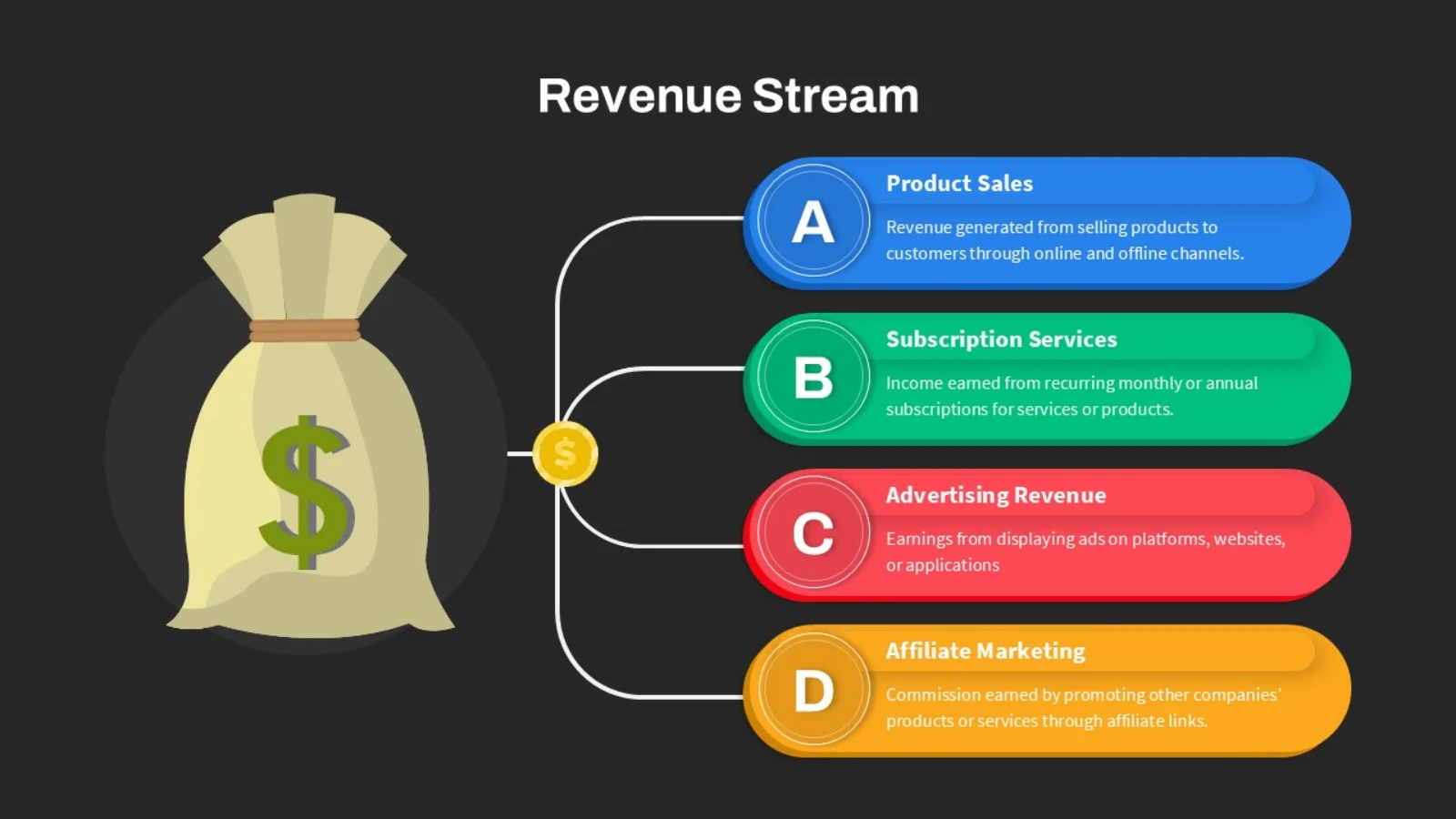
Marketplaces don’t just earn from one source. Their strength lies in multiple income channels, explaining the e-commerce marketplace revenue model.
Key Revenue Sources Explained
Revenue Stream | How It Works | Brand Examples |
|---|---|---|
Commission Fees | % charged per sale | Amazon, Etsy |
Seller Subscriptions | Monthly plans | Amazon Seller Central |
Advertising | Sponsored product listings | Amazon Ads |
Logistics & Fulfillment | Storage & shipping fees | FBA (Amazon) |
Payment Fees | Transaction handling | PayPal (eBay) |
Data & Analytics | Premium insights for sellers | Alibaba |
Insight: Between the product sales and advertising, advertising is currently one of the fastest growing sources of revenue at Amazon.
Global Marketplace Comparison (Quick View)
Platform | Core Market | Strength | Best For |
|---|---|---|---|
Amazon | Global | Logistics & trust | Scalable brands |
Alibaba | B2B + B2C | Wholesale & exports | Manufacturers |
Etsy | Global | Niche creativity | Small creators |
eBay | Global | Resale & auctions | Used/unique items |
Flipkart | India | Local dominance | Indian sellers |
Shopee | SEA | Mobile-first | Emerging markets |
Growth Strategies Used by Global Marketplaces
How do some platforms control entire continents?
Network Effects
Increased number of sellers implies increased number of buyers, increased number of sellers imply increased number of buyers.
This loop makes marketplaces incredibly hard to replace.
Localization
Successful platforms adapt to:
Local languages
Payment methods
Cultural buying habits
Example: Cash on Delivery in India (Flipkart)
Trust & Brand Power
Money back guarantees, buyer protection and verified reviews minimize the risk.
Distrust turns hesitation into sales.
Technology & AI
Marketplaces use AI for:
Pricing optimization
Fraud detection
Personalized recommendations
Cross-Border Expansion
AliExpress and Amazon are great examples of International e-commerce platforms that enable sellers to control global markets without constructing new facilities.
Challenges in Global E-Commerce Marketplaces
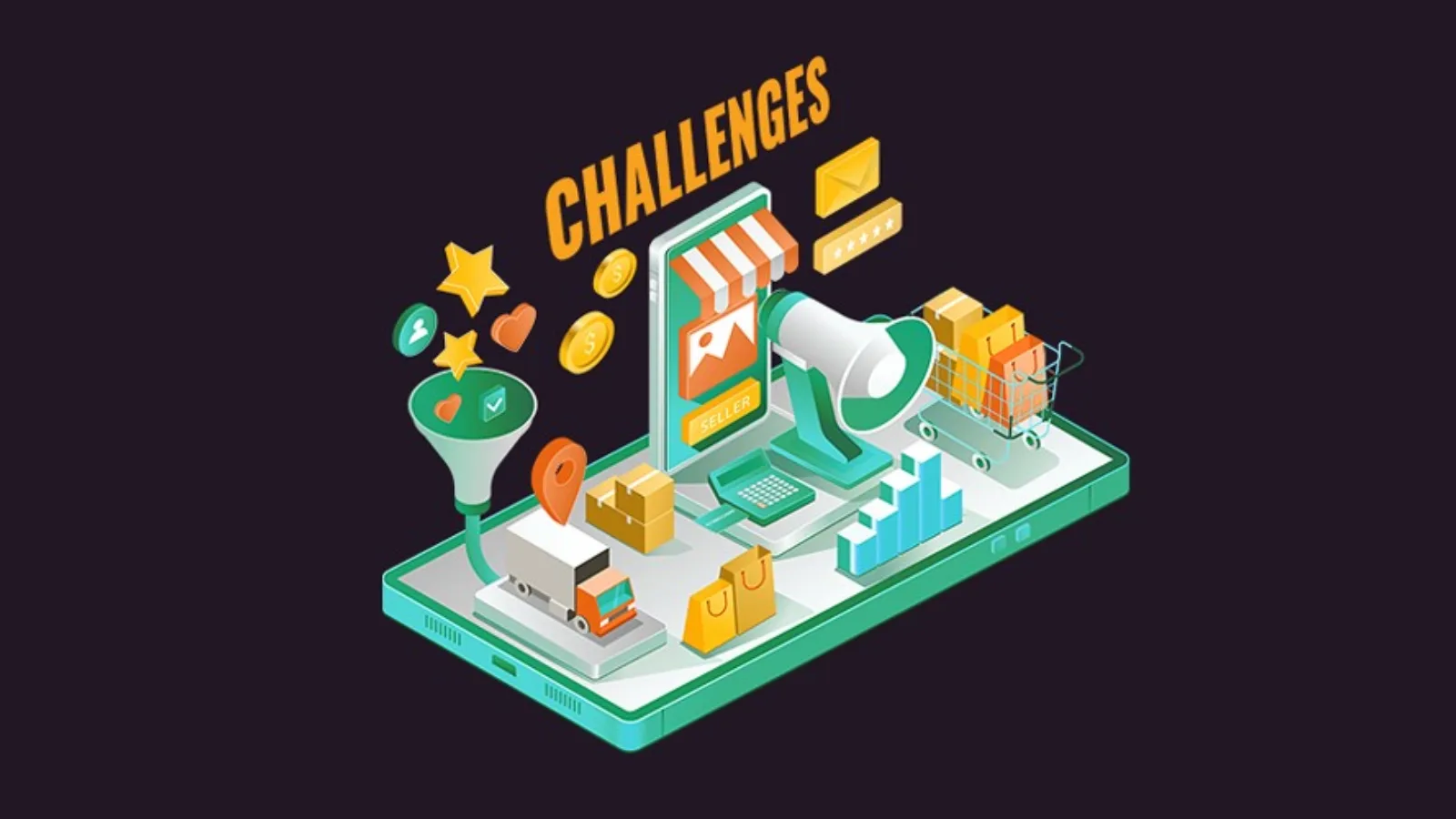
Marketplaces have actual issues regardless of their strength:
Intense seller competition
High dependency on platform rules
Fee increases over time
Counterfeit and quality issues
Data control resting with platforms, not sellers
To buyers the problem is overload of information, too much to choose, too little to understand.
Why Understanding Marketplaces Matters (For You)
Whether you are:
A consumer deciding where to shop
A seller choosing the right platform
A student studying digital economies
A company that is venturing into internationalization
Knowing marketplace functioning assists you:
Avoid confusion
Make smarter decisions
Look past price-cuts and ratings
This is exactly where clarity matters more than choice.
Information Should Reduce Confusion, Not Add to It
In the era of the digital world, we have so many choices but not a scarcity of choices.
Multi-vendor marketplace business model platforms are potent instruments. However, lacking knowledge of their functioning, individuals tend to make hype-driven, ranking-driven, or fear-of-missing-out choices.
Make Better Decisions with EraEase
At EraEase, we explain complicated topics in the most easy way. We believe in providing accurate knowledge so you can make well-informed decisions without being baffled, whether it is about technology, business, lifestyle, or cross-border e-commerce platforms.
No jargon.
No bias.
Just clarity that helps you choose better.
Explore more insightful guides on EraEase and turn information into confidence.
Since the first step to using the system is to understand it.
FAQ’s
Are e-commerce marketplaces safe for buyers?
Yes, the majority of the international e-commerce platforms provide buyer protection, refund and dispute resolution service which is more secure than personal online websites.
Which marketplace is best for small sellers?
Depending on the product type, sellers like Etsy, eBay, and Amazon are user friendly.
How do marketplaces differ from online stores?
The retailers have online stores that sell their products. Market places accommodate several sellers and are the middlemen.
Do marketplaces control pricing?
The online stores retail their products. The markets have several vendors and they are the intermediaries.
Will marketplaces replace physical stores?
However, not in a wholesome way, they are transforming how the world learns about products, compares and buys them.

About

EraEase brings practical guides on travel, automotive, e-commerce, and education, helping you simplify choices and make smarter decisions.




Newsletter
Subscribe now to stay updated with top news!
Subscribe to our newsletter and be the first to access exclusive content and expert insights.
By clicking the Subscribe button, you acknowledge that you have read and agree to our Privacy Policy and Terms & Conditions