Plan Your Personal Itinerary Today
Loved this destination? Make it your next adventure.
Turn your travel inspiration into a personalized itinerary built around your dates, budget, and interests.
Plan Your Personal Itinerary →Plan your first trip easily with this beginner travel checklist covering budgeting, booking, packing, itinerary planning, and stress-free tips.
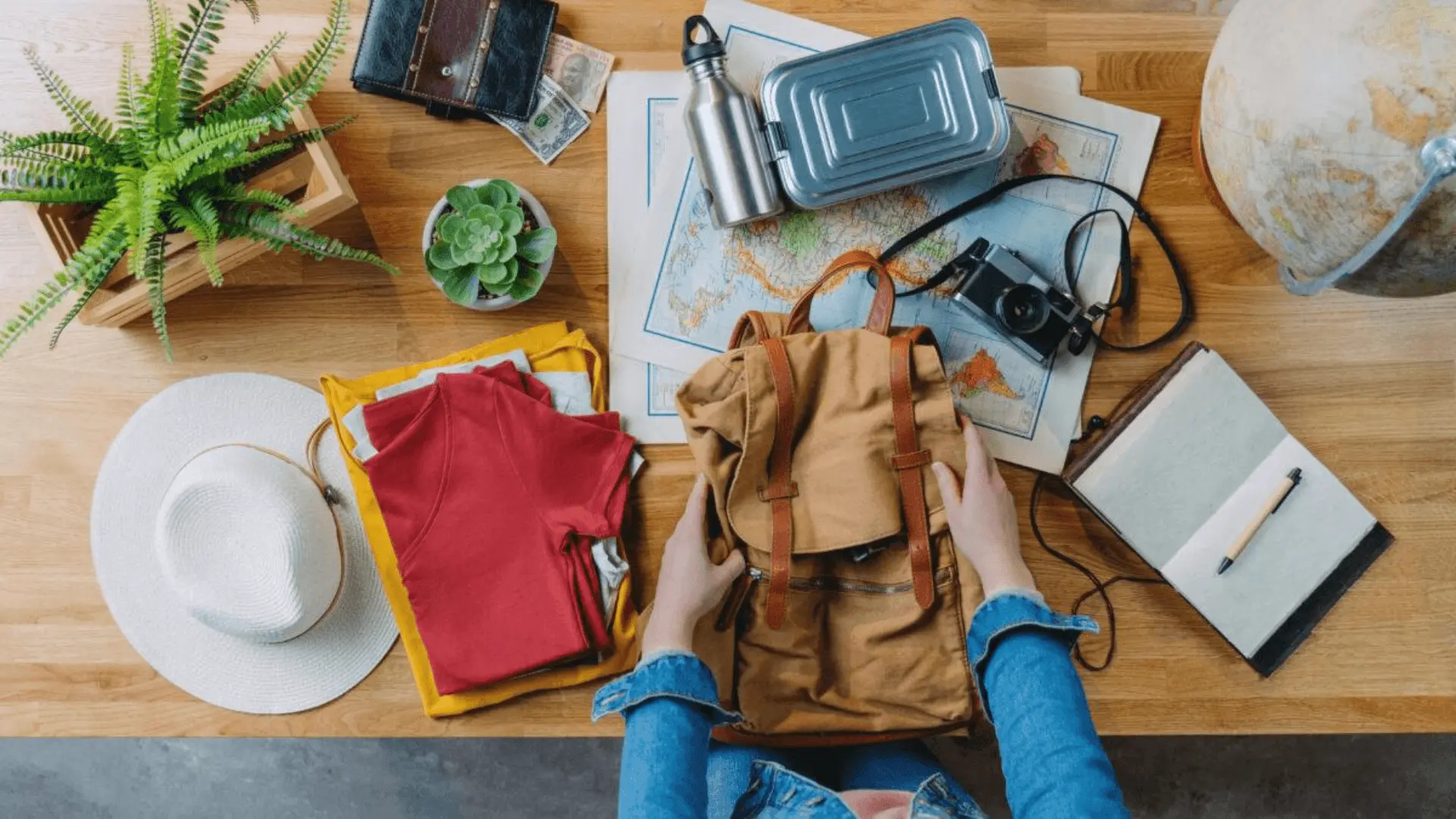
There is a certain charm to planning your first trip.
It begins with a random idea, “What if I just go?”
After that, you are all at once dreaming about airport terminals, the beautiful sunset, adorable cafes, and that ideal Instagram photo.
Something that an inexperienced traveler fears is between the dream and the departure:
Planning.
Don’t worry, we’ve got you.
This isn’t just another travel article. This is your ultimate travel planning checklist for beginners, and is composed in a way that is accessible to real humans, overthinkers, who get excited, panic a little, then get excited again.
So grab your notebook (or your Notes app on your phone) and let’s make your ‘someday trip’ a reality.
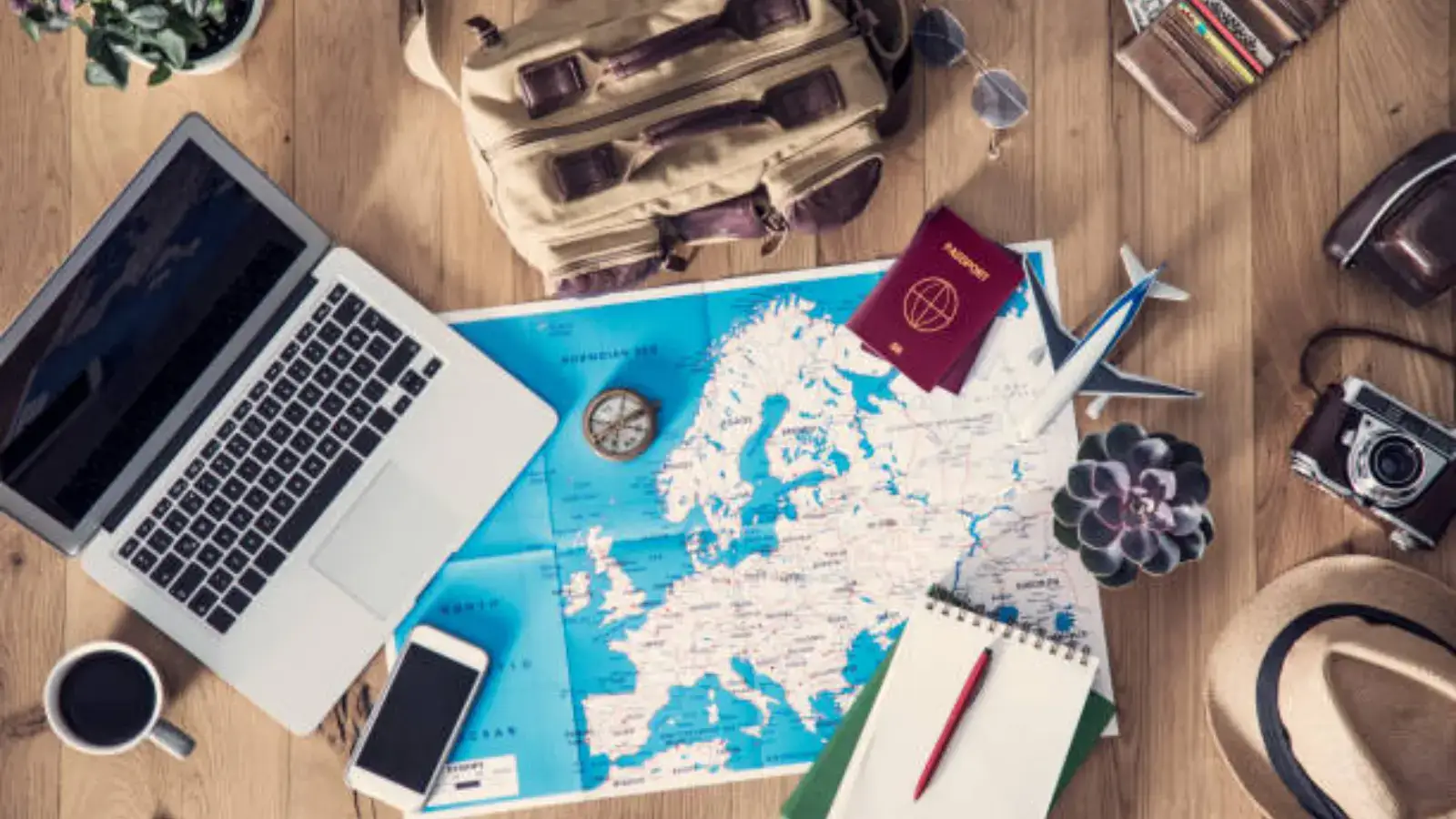
Travel planning to you looks overwhelming and then it is probable that you are trying to do everything at once. The secret? Break it down.
Here’s your simple step-by-step travel blueprint:
Consider these questions before you check the price of the flight.
Will it be a leisure trip or an adventurous trip?
Mountain, beach, city or country?
Individual leisure, friends outing, or family holiday?
Domestic or international?
Your travel destination ought to be in line with your travel personality.
Pro Tip: Beginners often enjoy destinations with:
Good public transport
Tourist-friendly infrastructure
English speaking natives (when visiting other countries)
Moderate travel time
The sheer reality is that your budget is everything.
Break it into categories:
Expense | What It Includes |
|---|---|
Transportation | Flights, trains, buses |
Accommodation | Hotel, Airbnb, hostel |
Food | Daily meals + snacks |
Activities | Tours, entry tickets |
Local Transport | Taxis, metro |
Emergency Fund | Always keep backup cash |
Golden Rule: Always add 15–20% extra for unexpected costs.
Beginners usually miscalculate costs. Don’t be that traveler who survives on cup noodles on day 3.
Check:
Weather conditions
Peak vs off-season pricing
Local holidays
Work or school schedule
Pro Tip: The shoulder season, which is the peak and off-season, is the best compared to the other seasons when the prices are usually lower and less people are there.
If you are a beginner, keep it simple and cozy.
Non-stop flights are better.
Be close to city areas or other major attractions.
Read reviews carefully.
Check cancellation policies.
Staying at a central hotel will cost you a bit expensive, while it saves time and taxi both.
The most frequent error made by novice travelers is that:
They plan too much.
Your trip should feel exciting, not tiring.
Ideal Structure:
2–3 main activities per day
1 backup option
Free time to explore
Remember: Travel is not a race.
This is the place where a beginner travel itinerary planning becomes important, plan your days, but allow spontaneity.
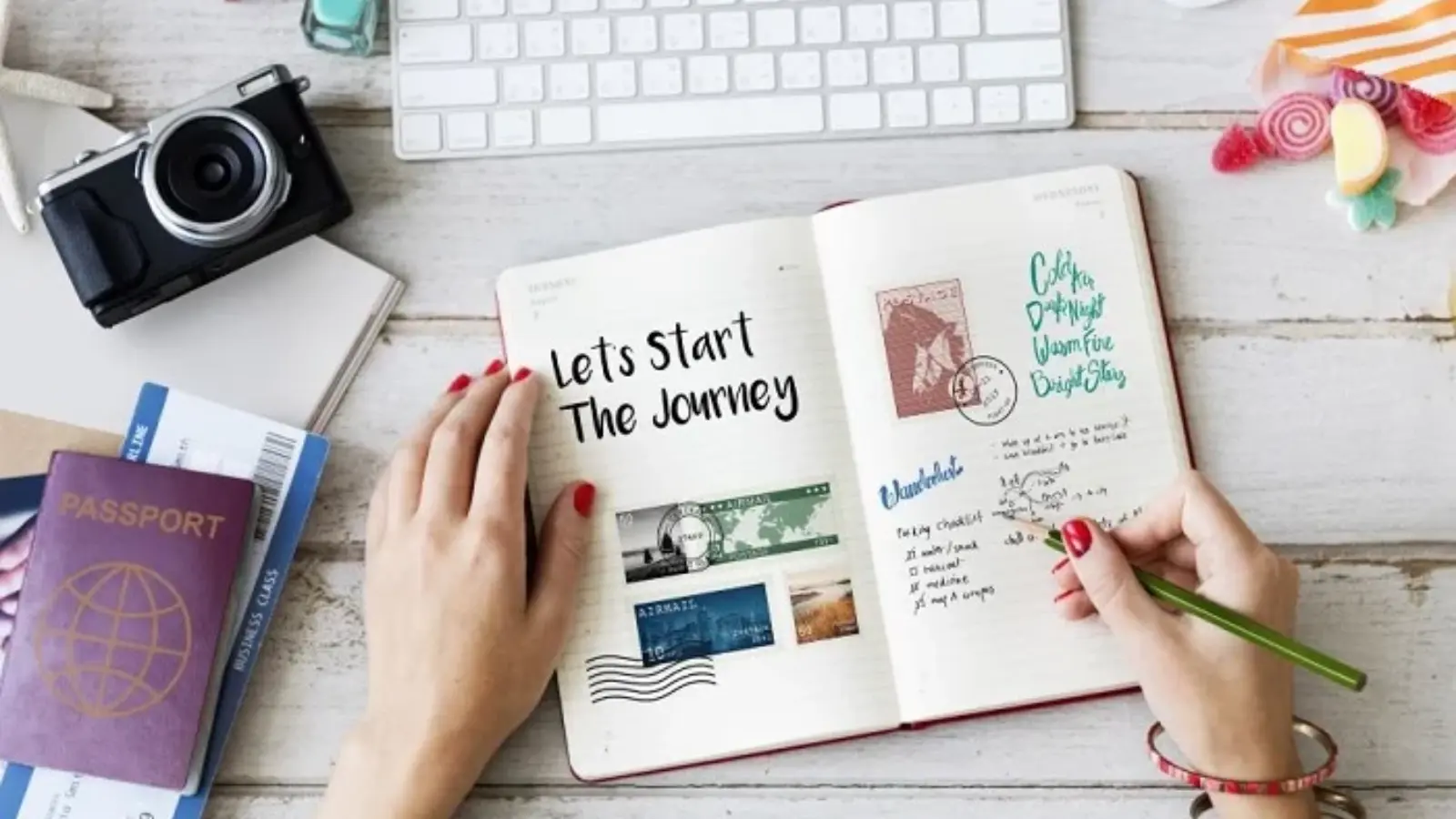
Here is your final travel checklist for first trip.
Passport (if international)
Visa (if required)
Flight tickets
Hotel booking confirmation
Travel insurance
ID proof
Copies of all documents
Debit Cards/Credit Cards
Local Cash
Emergency backup money
Weather-appropriate clothes
Comfortable shoes
Toiletries
Medicines
Phone charger
Power bank
Universal adapter
Reusable water bottle
Offline maps downloaded
Emergency contacts saved
Travel apps installed
Save this checklist. Screenshot it. Thank yourself later.
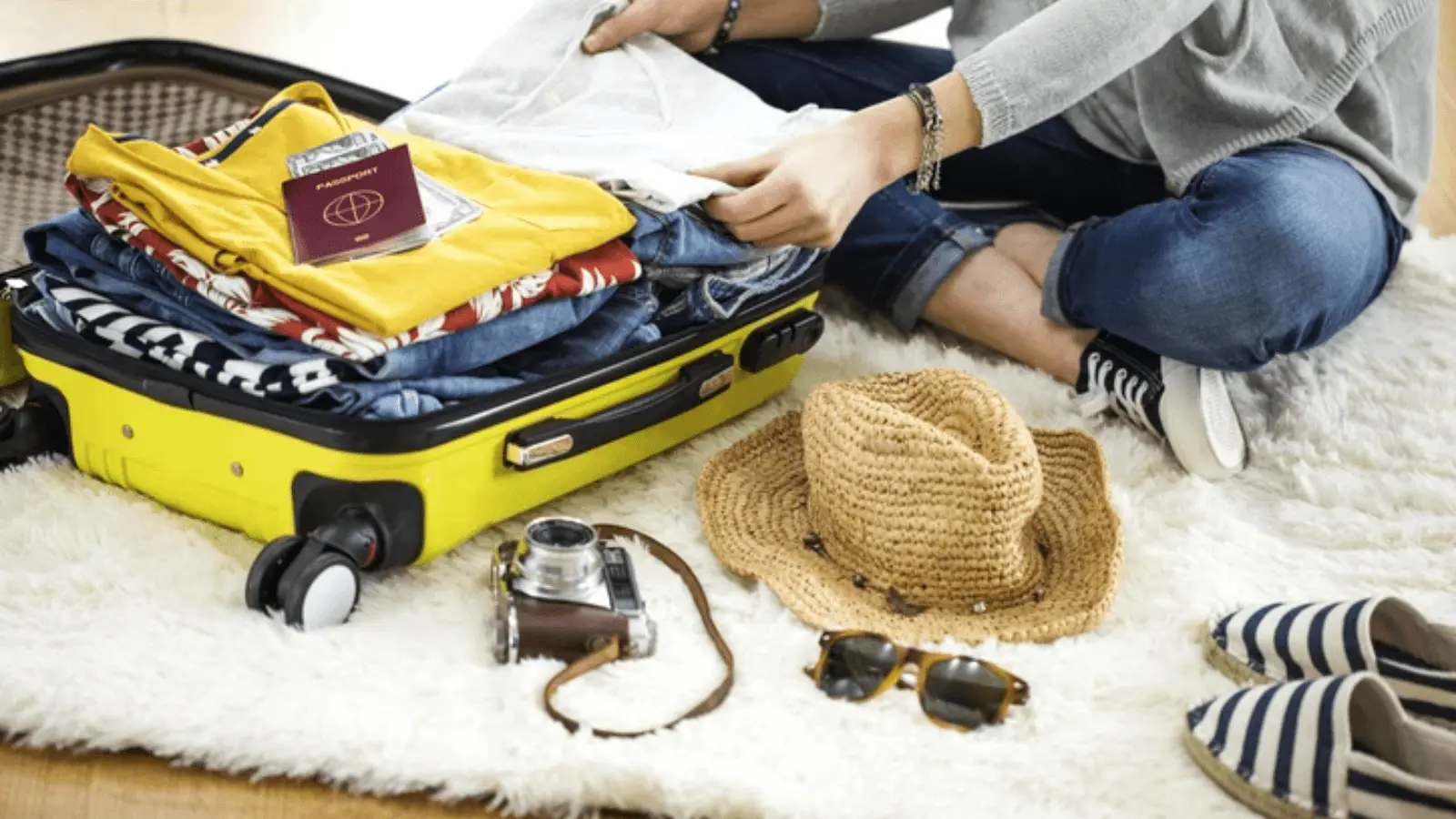
These are the tips that experienced travelers would have preferred to hear before, practical travel tips that make a real difference:
If you think you need 10 outfits, pack 6.
You will:
Wear your favorites repeatedly.
Buy something new.
Be grateful for lighter luggage.
Delayed luggage happens.
Prepared travelers stay calm.
Your card getting blocked on Day 1? Nightmare.
Jet lag + new environment = low energy.
Plan something light.
Email them to yourself. Store them in cloud storage.
Even a simple “thank you” in the local language creates instant goodwill.
Here’s a practical 4-day example structure:
Day 1: Welcome and Walking Tour in the city + Evening Dinner.
Day 2: Shopping and Cafe visit and major attractions.
Day 3: Day Trip or Cultural Experience.
Day 4: Leisurely Morning + Shopping Souvenirs + Leave.
Keep one “flex day” if your trip is longer.
Balance is everything:
Sightseeing
Food
Relaxation
Exploration
Category | First-Time Traveler | Experienced Traveler |
|---|---|---|
Packing | Overpacks | Packs light |
Itinerary | Over-planned | Flexible |
Budgeting | Underestimates | Plans buffer |
Stress Level | High | Calm |
Transport | Unsure | Confident |
Dining | Sticks to safe food | Explores local cuisine |
Here’s the good news:
Any traveler who is experienced started as a nervous beginner.
You are still at the beginning of the way.

Choose destination
Set budget
Apply for passport/visa
Research flights
Book flights
Book accommodation
Buy travel insurance
Plan itinerary
Start packing list
Exchange currency
Confirm bookings
Check weather
Pack
Download boarding passes
Inform family
Reach airport early
Stay hydrated
Relax, you did it!
Ignoring travel insurance
Not checking baggage rules
Over-scheduling
Forgetting power adapters
Not researching local scams
Underestimating travel time between attractions
Awareness prevents regret.
Every trip requires choices:
Which destination fits your personality?
Which hotel gives real value?
Which travel insurance is reliable?
Which transport option is safest?
What’s worth the money?
Making informed decisions saves:
Time
Money
Stress
Regret
And that’s where smart research matters.
At EraEase, we understand that planning isn’t just about travel, it’s about making the right decisions in every area of life.
Whether you’re:
Booking your first vacation
Choosing the right course
Buying an automobile
Comparing financial options
Making lifestyle decisions
EraEase offers highly researched blogs and ideas to ensure that you make a decision, not a nasty choice.
Because informed choices create better experiences.
And your first trip deserves the best start possible.
Your first trip won’t be perfect.
You might:
Miss a train.
Get lost once.
Overpack.
Overspend a little.
But you’ll also:
Watch your first foreign sunset.
Taste something unforgettable.
Gain confidence.
Learn to realize that the world is larger and kinder than you expected.
Just because you’re a planner doesn’t mean you forfeit adventure!
It makes adventure smoother.
So take the leap.
Use this travel planning checklist for beginners.
Plan smart. Travel confidently.
And when you're ready to make your next informed decision, about travel or anything else, let EraEase guide you.
Your journey starts now.
How much money should I carry for my first trip?
Depending on destination and time, yet always carry:
Enough for daily expenses
15–20% emergency buffer
Mix of cash and cards
Is travel insurance really necessary?
Yes. Particularly when travelling abroad.
It includes medical emergencies, cancellations and lost baggage.
How many days are ideal for a beginner trip?
4–7 days is perfect for your first trip.
Long enough to enjoy. Short enough to manage.
Should I book tours in advance?
For popular destinations, yes.
For smaller cities, you can book locally.
What’s the biggest mistake first-time travelers make?
Trying to see everything.
Travel is all about having experience and fun, not a box-ticking exercise.
Plan Your Personal Itinerary Today
Turn your travel inspiration into a personalized itinerary built around your dates, budget, and interests.
Plan Your Personal Itinerary →About

EraEase brings practical guides on travel, automotive, e-commerce, and education, helping you simplify choices and make smarter decisions.
Newsletter
Subscribe to our newsletter and be the first to access exclusive content and expert insights.
By clicking the Subscribe button, you acknowledge that you have read and agree to our Privacy Policy and Terms & Conditions