Plan Your Personal Itinerary Today
Loved this destination? Make it your next adventure.
Turn your travel inspiration into a personalized itinerary built around your dates, budget, and interests.
Plan Your Personal Itinerary →Explore Polish dishes that showcase Poland’s rich culinary heritage, from traditional pierogi and bigos to regional specialties, hearty meals, and classic desserts.

Kajal Bharti
Travel Researcher with 3+ Years of Experience in Destination Research and Travel Planning.

Ever wondered why a country known for snowy winters and fairy-tale towns has a loyal food following? Traditional food in Poland is full of surprises, from dumplings shaped like little moons to soups served inside bread. Ready to dig in?
Some meals feel like a warm hug, others like a secret. These Polish dishes blend history and flavor in ways you won’t expect. Keep reading and let your appetite lead.
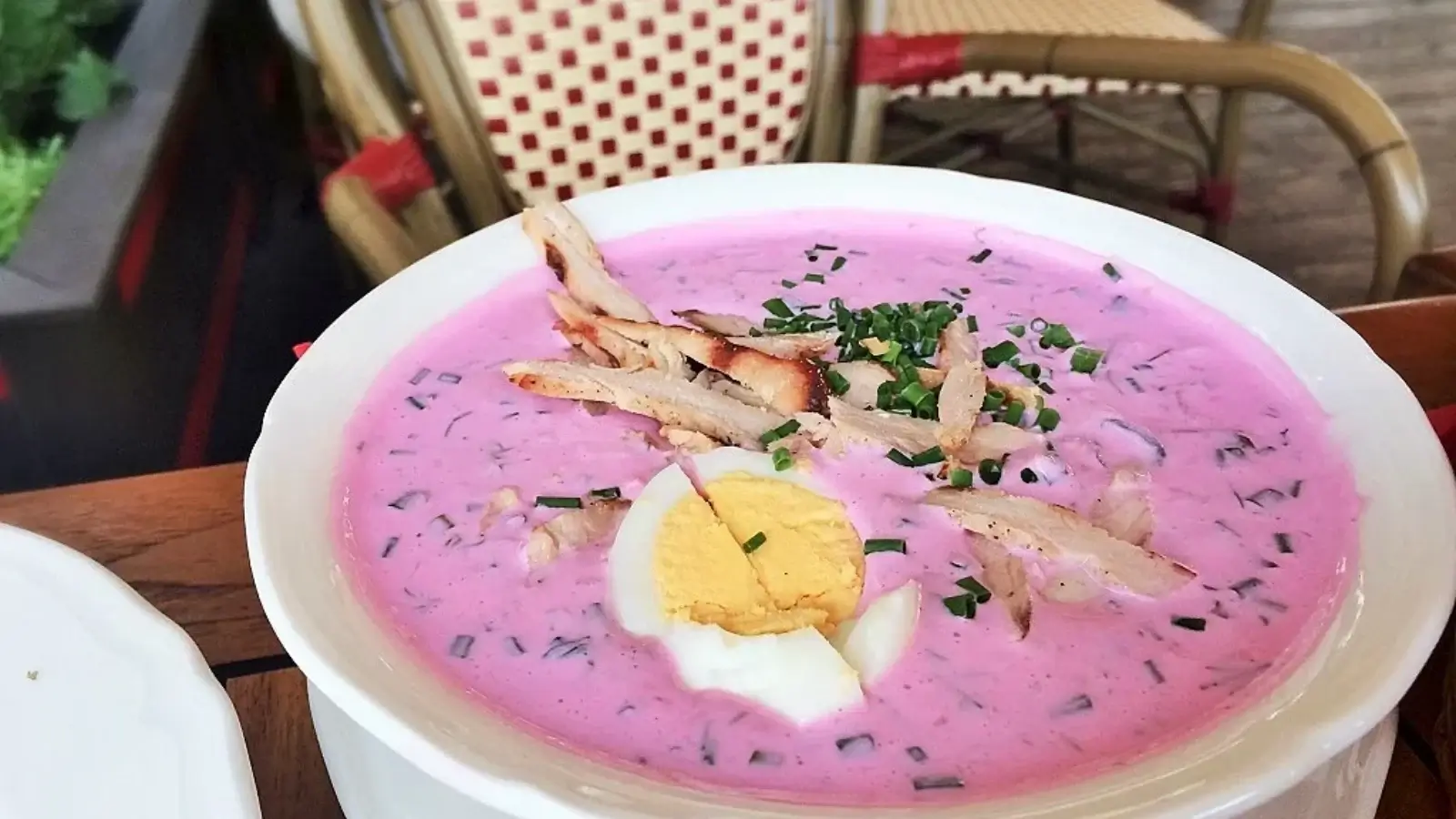
Polish cuisine is wholesome, warm and very nostalgic. Whether you enjoy fluffy dumplings, savory sausages or meatballs stuffed with rice and mushrooms, each dish has that comforting taste of Grandma’s kitchen.
Influence | What It Brought to Your Plate |
Slavic roots | Rye bread, sour soups, cabbage, grains, and mushrooms picked straight from the forest |
Royal and noble courts | Spices, rich stews, and big feasts, including hunter-style dishes |
Jewish heritage | Soft braided breads, stuffed fish, and slow-cooked stews |
Neighbors (Germany, Austria, Hungary, Russia, Lithuania) | Schnitzel-style cutlets, goulash, dumplings, beet soups, and a love of tea |
Peasant traditions | Potatoes, pickled and preserved foods, and a “waste nothing” mindset |
Communist era | Cheap milk bars (bary mleczne) and quick snacks like zapiekanka |
Catholic customs | Meatless Christmas Eve, Easter baskets, and Fat Thursday doughnut feasts |
Ingredient | How You’ll Meet It |
Potatoes | Dumplings, pancakes, and creamy mash |
Cabbage and sauerkraut | Bigos, golabki, and pierogi fillings |
Beets | Barszcz (beet soup) and tangy salads |
Rye flour | Hearty bread and sour rye soup (zurek) |
Pork | Cutlets, sausages, and stews |
Mushrooms | Soups, sauces, and fillings |
Sour cream | A spoonful on soups and pierogi |
Dill and marjoram | The signature herbs you’ll taste everywhere |
Poppy seeds | Cakes and Christmas sweets |
Sheep’s milk cheese | Oscypek and other mountain treats |
Season | What’s on the Table |
Spring | Fresh young veggies, sorrel soup, radishes, and Easter favorites like zurek and white sausage |
Summer | Chilled beet soup (chlodnik), juicy berries, kompot, dill potatoes, and cucumber salads |
Autumn | Wild mushrooms, pumpkin, apples, plums, and game dishes |
Winter | Bigos, warming soups, dumplings, preserved foods, and the meatless 12-dish Christmas Eve supper |
Polish dishes feel special because they mix history, seasonal ingredients, and pure comfort. Every meal feels like a warm family dinner, even far from home.
Dish Name | Main Ingredients | Taste Profile | Best For |
Pierogi | Dough with potato, cheese, meat, or fruit | Soft, savory or sweet | First-timers |
Gołąbki | Cabbage, minced meat, rice, tomato sauce | Tender, mildly tangy | Comfort food fans |
Kotlet Schabowy | Pork loin, breadcrumbs | Crispy, juicy | Hearty dinners |
Bigos | Cabbage, sauerkraut, meats, mushrooms | Rich, smoky, tangy | Chilly days |
Zurek | Fermented rye, sausage, egg | Sour, smoky, creamy | Adventurous eaters |
Rosol | Chicken, veggies, noodles | Light, savory | A soothing starter |
Oscypek | Smoked sheep’s milk cheese | Salty, smoky | Mountain trips |
Makowiec | Yeast dough, poppy seeds, honey | Sweet, nutty | Holiday cravings |
Zapiekanka | Baguette, mushrooms, cheese | Cheesy, savory | Late-night snacks |
Silesian Dumplings | Potatoes, potato starch | Soft, mild | Mopping up gravy |
Paczki | Yeast dough, jam or custard | Sweet, fluffy | Sweet tooths |
Placki Ziemniaczane | Grated potato, onion, egg | Crispy, savory | Easy lunches |
Kielbasa | Pork, garlic, marjoram | Smoky, garlicky | Grill lovers |
Kompot | Seasonal fruit, water | Lightly sweet, fruity | Cool refreshment |
Herbata | Black tea, lemon, sugar | Strong, warm | Cafe breaks |
Poland’s food goes way beyond dumplings. Here are fifteen dishes, snacks, and drinks that capture the country’s flavors, and you’ll want to try them all.

Picture soft, half-moon dumplings stuffed with potato and cheese, sauerkraut, meat, or fruit. They’re boiled, then pan-fried until golden, and honestly, they’re Poland’s ultimate comfort food that everyone truly loves.
Origin: Medieval Poland, probably arriving along Eastern trade routes.
How It Is Served: Topped with fried onions, butter, or a big spoonful of sour cream.
Where to Try It: Milk bars and pierogi spots like Zapiecek (Warsaw, Krakow) or Pierogarnia Krakowiacy (Krakow).
Golabki are tender cabbage leaves wrapped around minced meat and rice, then slowly simmered in tomato sauce. The name means “little pigeons,” and it’s a Sunday lunch favorite everywhere.
Origin: Traditional across Poland, linked to wider Eastern European stuffed-cabbage traditions.
How It Is Served: Piping hot with tomato or mushroom sauce and mashed potatoes.
Where to Try It: Milk bars and family-run restaurants all over the country.
Kotlet schabowy is a pork loin cutlet, pounded thin, breaded, and fried until golden. Crispy outside and juicy inside, it’s Poland’s answer to schnitzel and a true Sunday dinner star.
Origin: Adapted from Central European schnitzel, made with pork in Poland.
How It Is Served: With mashed or boiled potatoes and a cabbage or beet salad.
Where to Try It: Milk bars and home-style restaurants in any city.
Bigos is a rich, slow-cooked stew of sauerkraut, fresh cabbage, mixed meats, sausage, and mushrooms. It’s a national favorite, and the flavors get even better when you reheat it again.
Origin: Polish-Lithuanian hunting and noble traditions, centuries old and even mentioned in the poem Pan Tadeusz.
How It Is Served: Steaming hot with rye bread or potatoes, sometimes in a bread bowl.
Where to Try It: Traditional restaurants in the Old Towns of Kraków and Warsaw, especially in winter.

Zurek is a sour, smoky and creamy soup that includes fermented rye, smoked sausage, potatoes and half of a boiled egg. It is a memorable addition to your Easter table.
Origin: A medieval Slavic tradition of fermenting rye.
How It Is Served: Often in a hollowed-out bread bowl, with egg and sausage.
Where to Try It: Old Town restaurants in Warsaw, Krakow, and Wroclaw, plus local milk bars.
Rosol is Poland’s classic chicken broth, simmered slowly with root vegetables and served with thin noodles. Golden, clear, and soothing, it’s the traditional Sunday starter and everyone’s go-to cold remedy.
Origin: Old Polish home cooking built on long-simmered broths.
How It Is Served: With fine noodles, carrots, and fresh parsley.
Where to Try It: Family restaurants, milk bars, and any Sunday lunch table.
Oscypek is a smoked sheep’s milk cheese shaped in decorative wooden molds and protected by EU status. Salty and lightly smoky, it’s usually grilled and served with sweet cranberry jam.
Origin: The Tatra Mountains (Podhale), made by highland shepherds for centuries.
How It Is Served: Grilled, with cranberry jam on the side.
Where to Try It: Street stalls and markets in Zakopane, especially along Krupowki Street.
Makowiec is a rolled yeast cake swirled with sweet poppy seed filling, honey, and nuts. This traditional Polish poppy seed cake is a must-have at festive Christmas and Easter tables.
Origin: Slavic poppy seed traditions, linked to prosperity at Christmas.
How It Is Served: Sliced and often iced, with tea or coffee.
Where to Try It: Local bakeries (cukiernie) and Christmas markets.
Zapiekanka is an open-faced baguette with toppings such as mushrooms, cheese and ketchup and then baked to perfection. This popular Polish street food is cheap, delicious and ideal for eating after a night of drinking.
Origin: 1970s communist-era Poland, created from simple, improvised ingredients.
How It Is Served: Hot, cut into portions, with extra toppings and sauces.
Where to Try It: Plac Nowy in Krakow’s Kazimierz district and street stalls in Warsaw.
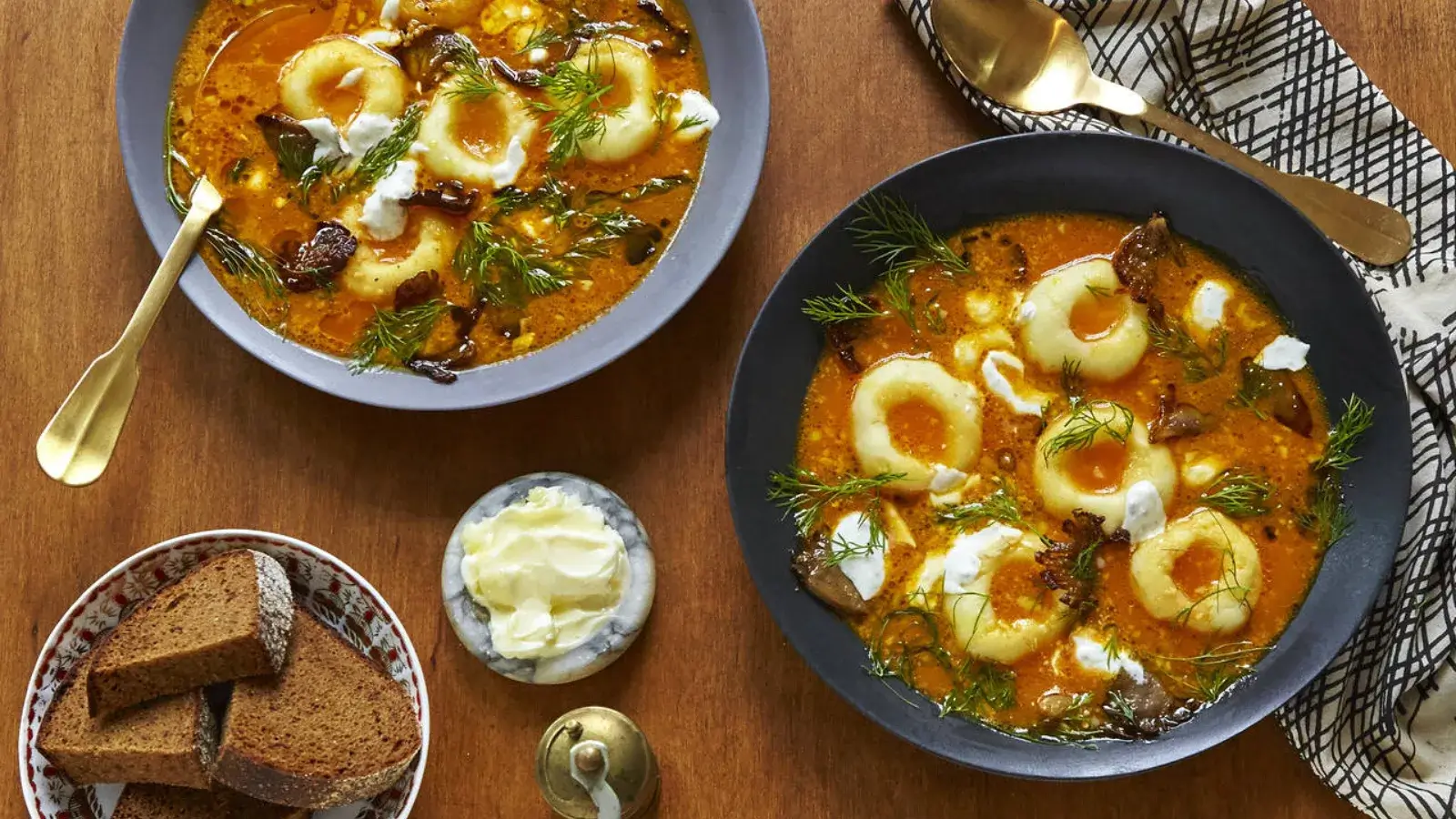
Kluski slaskie are soft, round potato dumplings with a signature dimple. A star of Polish regional cuisine from Upper Silesia, they’re perfect for soaking up every last drop of gravy.
Origin: Upper Silesia, in southern Poland.
How It Is Served: With rich gravy, beef roulade, and red cabbage.
Where to Try It: Restaurants in Katowice and across Silesia.
Paczki are fluffy, deep-fried doughnuts filled with rose jam, custard, or plum preserves, then dusted with sugar. These popular Polish desserts steal the show every single Fat Thursday in Poland.
Origin: Medieval Poland, tied to pre-Lent feasting.
How It Is Served: Fresh and slightly warm, with coffee or tea.
Where to Try It: Bakeries across Poland, including the historic Blikle in Warsaw.
Placki ziemniaczane are thin fried pancakes prepared from grated potatoes, onions, and eggs and fried until they become golden and crispy. These can be taken as a snack or an entire meal as well.
Origin: Eastern European peasant cooking, popular once potatoes spread across Poland in the 1700s.
How It Is Served: With sour cream, a sprinkle of sugar, or goulash on top.
Where to Try It: Milk bars and traditional restaurants, especially in Krakow and Zakopane.
Kiełbasa is Poland's iconic sausage, normally made of pork flavored with garlic, marjoram and pepper and either smoked or grilled. It is very smoky, tasty and meaty, and there are many local versions of kielbasa.
Origin: Centuries-old Polish meat-smoking and preserving traditions.
How It Is Served: Grilled with mustard and bread, or tossed into bigos and soups.
Where to Try It: Local butchers, food markets like Stary Kleparz in Krakow, and grill stands.
Kompot is a sweet, alcohol-free beverage made by boiling either fresh or dried fruits such as apples, strawberries or plums with water. Poles enjoy it cold in summer and warm in winter.
Origin: Central and Eastern European fruit-preserving tradition.
How It Is Served: Chilled in jugs with meals, or made with dried fruit for Christmas Eve dinner.
Where to Try It: Milk bars, family restaurants, and home kitchens.

Herbata is the Polish word for tea, usually served strong and black in a glass with lemon and sugar. It’s a daily ritual of warmth and hospitality, enjoyed with cake.
Origin: Arrived through trade with Russia and became a household staple by the 1700s.
How It Is Served: In a glass, with lemon, honey, or raspberry syrup.
Where to Try It: Tea houses (herbaciarnie) and cafes in Krakow, Warsaw, and Wroclaw.
From soft pierogi to sweet paczki, these Polish dishes prove that great food is about comfort, story, and togetherness. Pack your appetite, follow your curiosity, and let Poland’s flavors turn your next trip into something delicious.
From busy milk bars to mountain stalls, Poland serves great food in every region. Here are the best spots to taste the real deal yourself.
Place | Known For | Must-Try Dishes |
Krakow (Kazimierz & Old Town) | Street food and historic restaurants | Zapiekanka, pierogi, zurek |
Warsaw (Old Town & milk bars) | Classic home cooking and old-school bakeries | Kotlet schabowy, rosol, paczki |
Zakopane | Highland cooking and mountain markets | Oscypek, kwasnica, placki |
Gdansk | Baltic seafood and Old Town dining | Fish dishes, pierogi |
Wrocław | Cozy cafes around Market Square | Pierogi, zurek |
Katowice (Silesia) | Regional specialties | Kluski slaskie, rolada |
Poznan | Local pastries and hearty meals | Duck dishes, Saint Martin’s croissants |
Trust me, eating Polish dishes in their home region makes every bite taste better, so plan your route around food and enjoy the ride.
Polish food is generous, filling, and easy to love, but a few basics will help you order like a pro. Here’s what to keep in mind before you dig in.
Vegetarian and Vegan Options in Polish Cuisine: Vegetarians are in luck with pierogi ruskie (potato and cheese), mushroom soups, potato pancakes, and beet salads. Vegan choices are growing, especially in big cities. Since many classics use meat broth or lard, it’s always smart to ask.
Common Polish Food Ingredients and Allergens: Wheat (dumplings, bread, cutlets), dairy (sour cream, cheese, butter), eggs, pork, celery, mustard, and poppy seeds show up a lot. Let your server know about any allergies, because shared fryers and broths are common.
Portions and pacing: Servings are big, and soup usually comes before the main course, so come hungry.
Milk bars: These cheap, no-frills canteens serve authentic food, but some close early or on Sundays.
Knowing these basics means you can enjoy Polish dishes safely and comfortably, whether you’re at a fancy restaurant or a humble milk bar.
Good news for your wallet: Poland is great value, especially compared to Western Europe. Prices vary by city, so treat these ranges as a rough guide.
Item | Approximate Cost (PLN) |
Full meal at a milk bar | 20-35 |
Plate of pierogi | 28-45 |
Zurek or rosol (soup) | 18-30 |
Bigos | 30-48 |
Kotlet schabowy with sides | 38-60 |
Golabki | 30-45 |
Zapiekanka | 12-20 |
Grilled oscypek (per piece) | 8-15 |
Paczek | 5-9 |
Kompot or herbata | 8-18 |
Mid-range three-course dinner (per person) | 90-150 |
Prices are estimated and can run higher in tourist-heavy spots like Krakow’s Old Town. Check current menus when you travel.
With prices this friendly, sampling lots of Polish dishes is easy on a budget, so order a little of everything and make every meal an adventure.
Poland’s table is generous, comforting, and full of stories worth tasting. From crispy cutlets to sweet doughnuts, this is how Polish dishes demonstrate how food unites people. No matter whether you are a novice or a gourmet, bring along your hunger and experience milk bars and mountain markets to make your stay here unforgettable.
Ready to taste Poland beyond the menu? Explore EraEase at eraease.com for trusted travel guides, local food insights, and destination tips. Start planning today and turn your dream trip into a delicious, stress-free reality!
What is the most popular traditional Polish dish?
Pierogi took the crown. These soft, filled dumplings are loved across Poland, whether stuffed with potato and cheese, meat, sauerkraut, or sweet fruit.
Is Polish food spicy?
Not really! Polish cuisine is relatively heavy and not so spicy. The use of dill and marjoram brings in the taste whereas the use of mustard and horseradish adds some spiciness.
Can vegetarians enjoy Polish food?
Absolutely! Pierogi ruskie, potato pancakes, mushroom soups, and beet salads are great picks. Just ask if a dish uses meat broth or lard.
What is a milk bar in Poland?
A milk bar (bar mleczny) is a cheap, no-frills canteen serving homestyle Polish meals. It’s a great spot to try authentic food on a budget.
Is Polish food affordable for travelers?
Yes! The price is really good in Poland, where a full meal at milk bars costs 20-35 PLN. Prices tend to increase slightly in the tourist zones such as the Old Town of Krakow.
Plan Your Personal Itinerary Today
Turn your travel inspiration into a personalized itinerary built around your dates, budget, and interests.
Plan Your Personal Itinerary →About

EraEase brings practical guides on travel, automotive, e-commerce, and education, helping you simplify choices and make smarter decisions.
Newsletter
Subscribe to our newsletter and be the first to access exclusive content and expert insights.
By clicking the Subscribe button, you acknowledge that you have read and agree to our Privacy Policy and Terms & Conditions