Best Mileage Practices for Cars with Gear Oils and SAE Grades
Gear oil is essential for smooth transmission performance. Learn types, benefits, and how to choose the right gear oil for better efficiency and longer vehicle life.
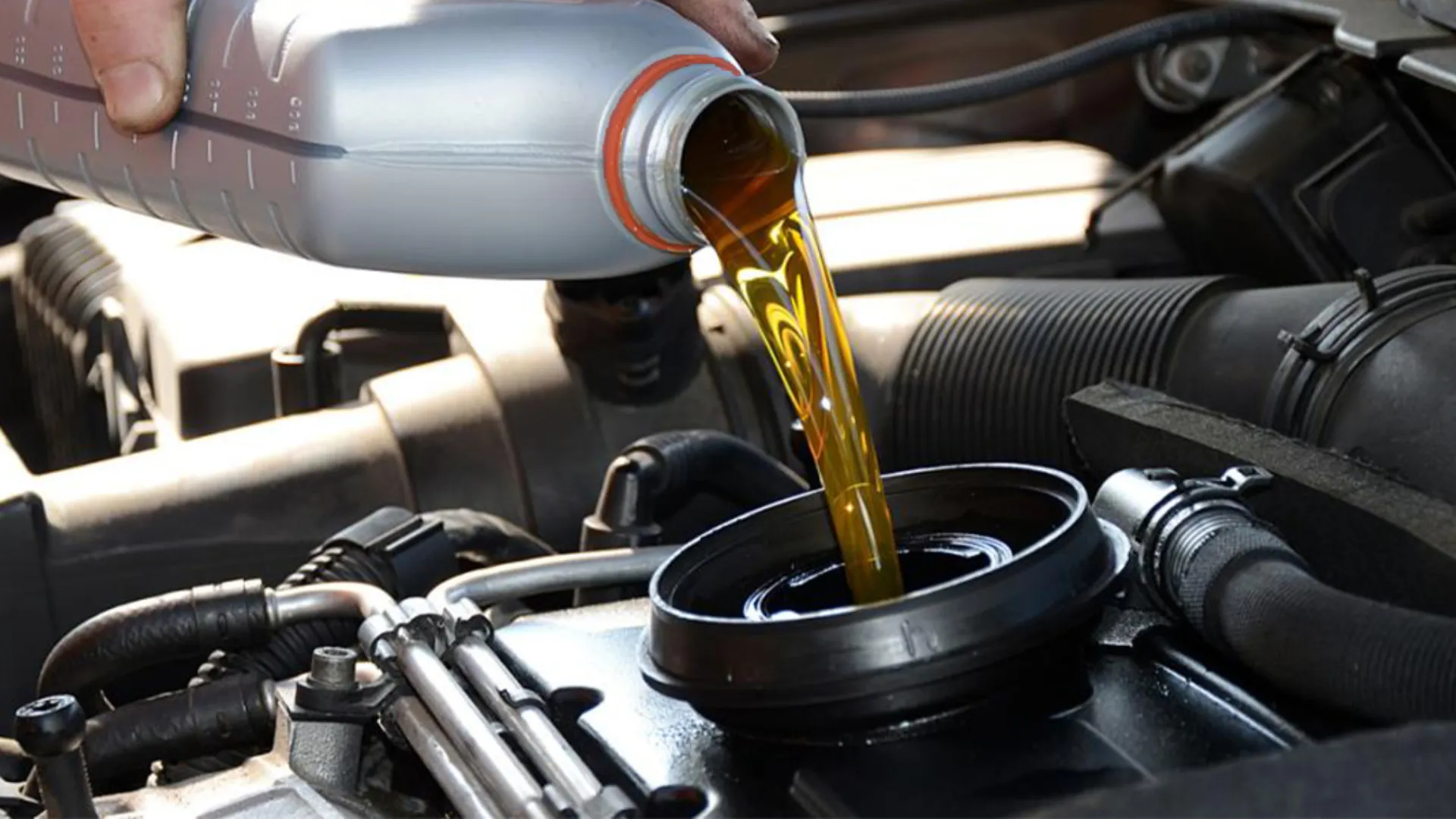
When it comes to improving the efficiency of the vehicle in terms of fuel efficiency and the smoothness of the vehicle's performance, people usually consider the engine oil as well as the way the vehicle is driven. However, the gear oil is usually neglected. The gear oil helps to minimize the friction inside the gear. In fact, choosing the best gear oil for vehicles can significantly improve gearbox performance and overall mileage.
A good knowledge of gearbox oil, lubrication techniques, and SAE gear oil grades is essential for optimizing the mileage of your car. With good gear oil maintenance techniques, car drivers can enjoy a smooth ride.
What Is Gear Oil and Why Is It Important?

The gear oil is a kind of oil that is used for the transmission system of a car. The oil is thick compared to the engine oil. The oil is used for the lubrication of the gears that are exposed to pressure and temperature. This type of automotive gear oil plays a crucial role in protecting the internal transmission components.
The main functions of gear oil are:
To reduce friction between gears in motion
To prevent wear and tear in the gearbox
To cool the gearbox components
To protect against rust and corrosion
To ensure smooth shifting of gears
If the gearbox is well lubricated with the correct gear oil, then it will ensure that the engine performs efficiently, thus preventing power loss and enhancing fuel efficiency.
Role of Gearbox Oil in Transmission Performance
The main purpose of the gearbox is to transfer the power from the engine to the wheels. When the lubricant is not used, the gears rub against each other, which results in friction, heat, and damage.
Gear oil for cars with high quality functions as a protective layer for the gears, which minimizes the rubbing of the gears against each other. This is to ensure that there is efficient operation of the transmission system as well as the longevity of the internal gears. It is sometimes referred to as a transmission lubrication fluid.
The appropriate type of oil will also enable:
Improved driving performance
Reducing friction within the gearbox
Smooth acceleration
Fuel efficiency
One of the simplest maintenance tasks that you can carry out on your vehicle is changing your gear oil.
Understanding SAE Gear Oil Grades
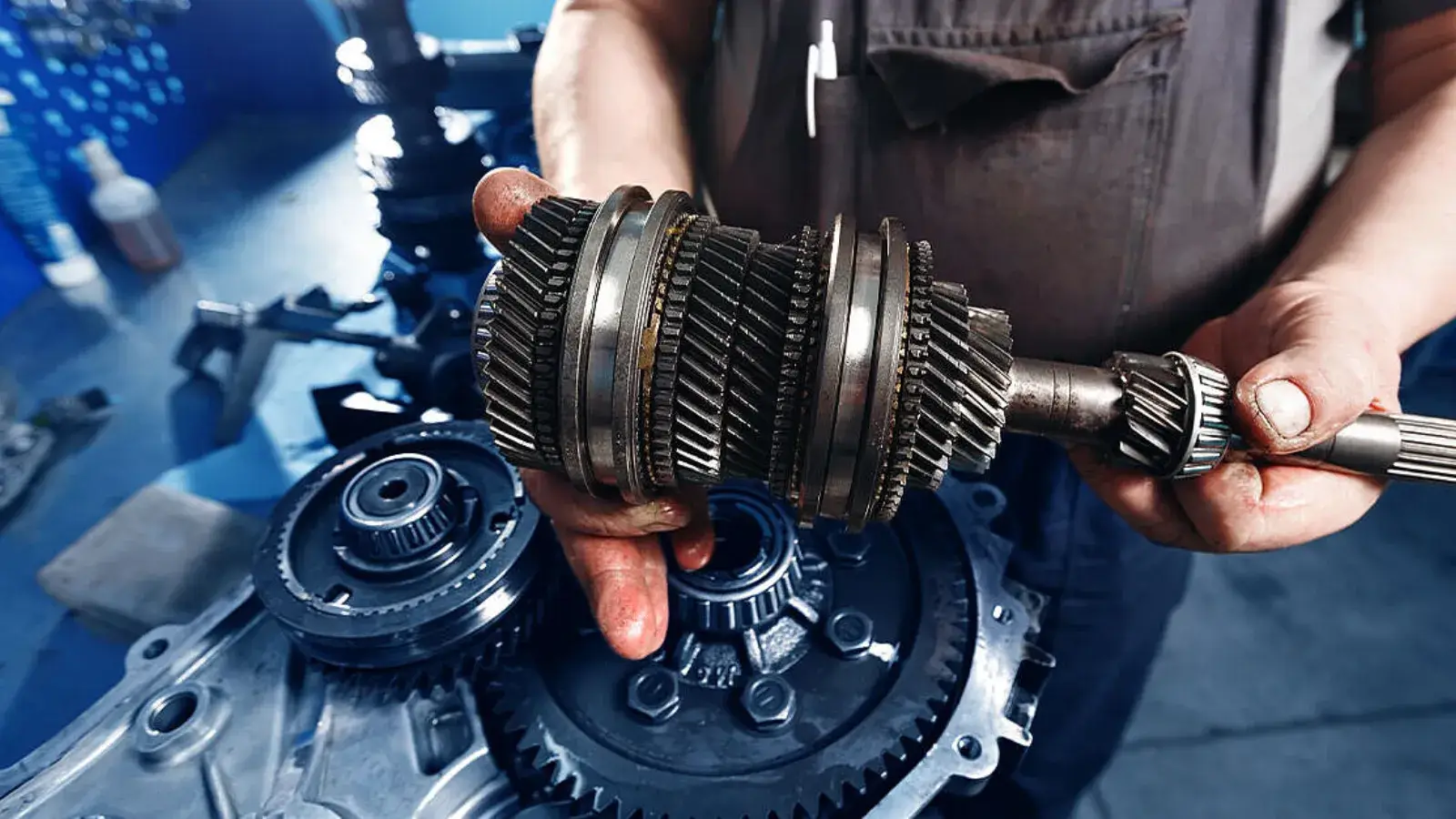
When selecting a gear oil, you may notice that the numbers are 75W-90, 80W-90, or 85W-140, etc. The numbers represent the grade of the gear oil according to the SAE system, which refers to the viscosity or thickness of the gear oil.
Here is what these numbers mean:
SAE Grade | Suitable For | Benefits |
75W-90 | Modern passenger cars | Better cold weather performance |
80W-90 | Standard manual transmissions | Balanced protection and efficiency |
85W-140 | Heavy-duty vehicles | Strong protection under high load |
The letter “W” stands for Winter, which means that the oil is capable of flowing well even at cold temperatures. The correct selection of SAE grade of gear oil is important for optimal lubrication for smooth gear operating performance, especially in vehicles that use manual transmission oil systems.
GL-4 vs GL-5 Gear Oil Key Differences
Apart from the viscosity, there are other factors that differentiate between gear oils, such as API performance levels. One should be aware of GL-4 vs GL-5 gear oils when deciding which gear oil will suit their automobile best.
GL-4 Gear Oil
For Manual Transmissions
For Moderate Extreme Pressure Protection
For Synchronized Gearboxes
GL-5 Gear Oil
Mainly for Differentials and Heavy Duty
For Higher Extreme Pressure Protection
For High Torque Loads
GL-5 gear oils are used in applications where differential oil is required due to its capacity to support high loads and extreme pressure.
The wrong kind of gear oil can also affect the gearbox’s performance. Hence, it is always advisable to follow the manufacturer’s suggestion.
Fuel Efficient Cars to Consider
Selecting a fuel-efficient car with proper maintenance of gear oil can minimize fuel expenditure to a great extent. Here are some of the popular cars with excellent fuel efficiency.
Car Model | Type of Fuel | Estimated Mileage per Liter of Fuel |
Maruti Suzuki Celerio | Petrol | 26 km/l |
Maruti Suzuki Wagon R | Petrol | 24 km/l |
Hyundai Grand i10 Nios | Petrol | 20 km/l |
Tata Tiago | Petrol | 20 km/l |
Maruti Suzuki Swift | Petrol | 23 km/l |
These cars have a reputation for having efficient engines and being economical to maintain. With good maintenance of the transmission and changing the gear oil in these cars, their mileage performance can be enhanced. Many car owners also compare gear oil price while selecting the right lubricant to balance performance and maintenance cost.
Best Mileage Practices Using Gear Oil

It is important that you use the right gear oil in order to attain fuel efficiency. The following are some useful tips:
Change Gear Oil at Recommended Intervals
It is a known fact that gear oil tends to deteriorate over a period of time, especially when subjected to high temperatures and other impurities. It is imperative that you change your oil at recommended intervals for your gearbox to perform at optimal efficiency.
The Use of Correct SAE Grade Gear Oil
The use of the correct SAE grade gear oil helps in the smooth movement of gears without any friction.
Check Transmission Regularly
If any kind of rough movement is observed in the gears or any unusual sounds are coming from them, then it is necessary to check the gear oil.
Avoid Aggressive Driving
Abrupt acceleration or hard shifting of gears puts pressure on the gearbox, which results in a reduction in the efficiency of the gear oil.
Maintain Overall Vehicle Health
Servicing, tire pressure, and gear oil are responsible for fuel efficiency in a vehicle.
Signs Your Gear Oil Need Replacement
Worn-out or dirty gear oil may also affect transmission performance. The following are some of the signs that your transmission is not in good condition:
Hard or rough gear shifting
Presence of grinding noise coming from the gearbox
Low mileage of your vehicle
Presence of burning smell coming from your transmission
Gear slipping or vibration
Therefore, if you notice these signs, you should replace your gear oil immediately to avoid costly repairs.
Conclusion
The maintenance of the transmission system of your car is important to attain better fuel efficiency. Using the correct type of gear oil, knowing the various types of gear oil available based on the Society of Automotive Engineers (SAE), and using the appropriate type of GL-4 or GL-5 gear oil can enhance the efficiency of your gearbox. Gear oils can help enhance the efficiency of your engine when you maintain them.
A good combination between the maintenance of transmission and fuel efficient cars will most probably increase the mileage and lower costs of living. By paying proper attention to the quality of gear oil used in vehicles, one can ensure smooth performance, increased mileage, and longevity of vehicles.
We at EraEase try to bring to our readers informative and easy to understand content on various subjects such as automobiles, travel, technology, etc. Our aim is to help our readers make smarter decisions with the help of simplified complex knowledge. Keep yourself updated with EraEase for informative posts and valuable information that will guide you through life.
FAQ’s
How does gear oil improve mileage?
Gear oil minimizes friction to enhance smoother gear transmission and improve fuel economy when the vehicle is being operated.
Which SAE gear oil grade is best?
Always choose the correct SAE viscosity, for instance, 75W-90 and 80W-90, recommended by the manufacturer.
What is the difference between GL-4 and GL-5?
GL-4 is appropriate for manual gearboxes while GL-5 works for differential gears that operate under high pressure.
When should gear oil be changed?
Every 30,000 to 60,000 kilometers gear oil must be changed according to the manufacturer’s recommendation.
What are signs of old gear oil?
If there are grinding sounds, burning smell, jerky shifts, reduced fuel consumption, then change your gear oil.

About

EraEase brings practical guides on travel, automotive, e-commerce, and education, helping you simplify choices and make smarter decisions.




Newsletter
Subscribe now to stay updated with top news!
Subscribe to our newsletter and be the first to access exclusive content and expert insights.
By clicking the Subscribe button, you acknowledge that you have read and agree to our Privacy Policy and Terms & Conditions