Course Change After Student Visa Rules, Risks & Process
Learn the rules, process, and risks of a Course Change After Student Visa approval, including eligibility, visa impact, and study options abroad.

Studying abroad is indeed a defining experience, but not all students remain satisfied with their initially chosen course program. International students tend to gain new interests, encounter academic difficulties, or find that other courses will suit their professional requirements more effectively. That is why course change after student visa has become a significant issue among students of nations such as Australia, Canada, UK, USA, Germany, and New Zealand.
In most scenarios, changing courses is feasible, though it needs to be done in accordance with regulations and procedures. Visa applications for admission are usually issued depending on the institution, educational level, and financial statements. Changing courses after acquiring a student visa can hence be considered an appropriate means of enhancing one’s educational trajectory.
Why Students Consider Changing Courses
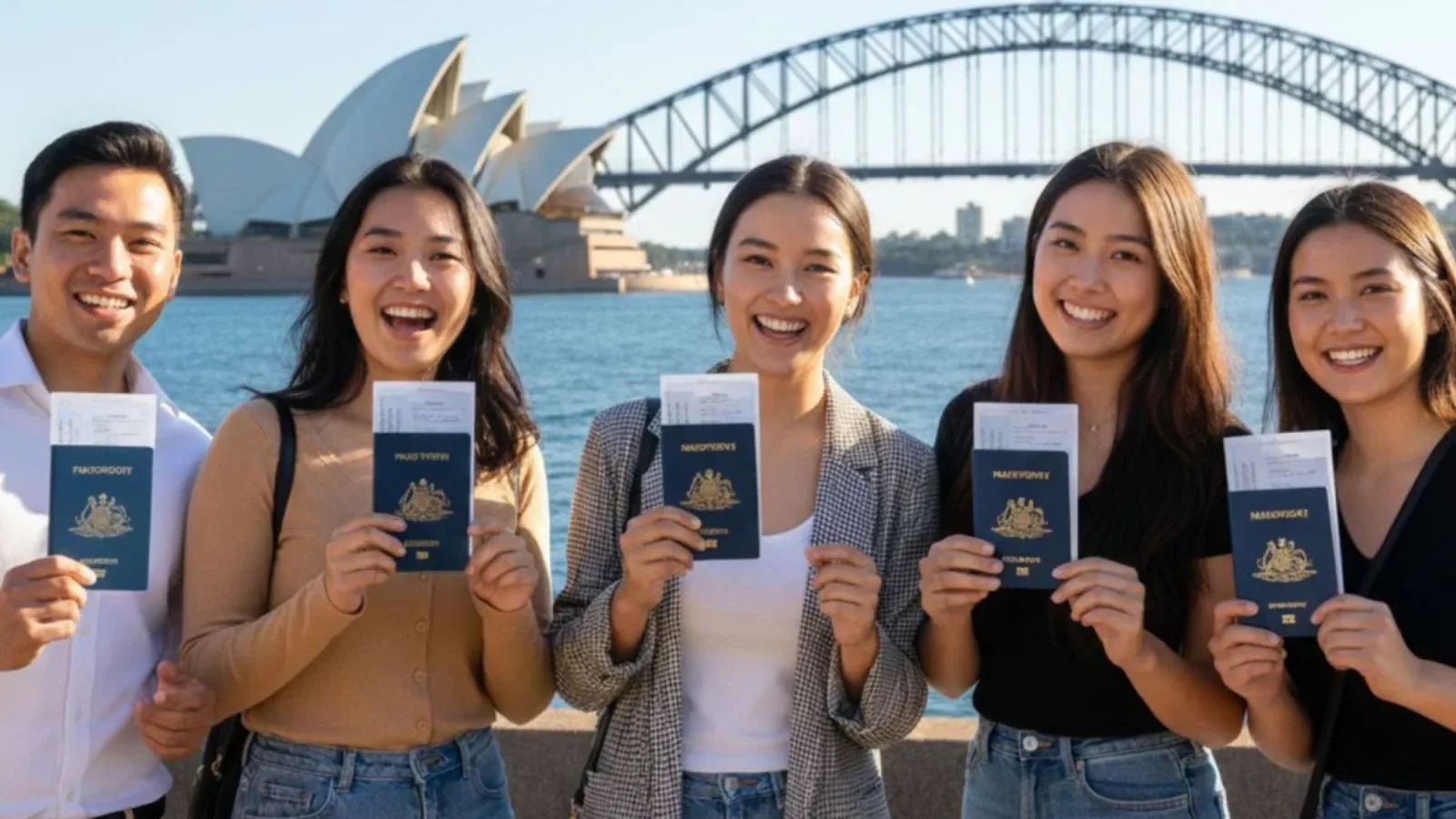
The following are a few reasons why international students opt for a new study program upon arrival. There are those who would discover that the content of their studies is not as per their expectations. Others get attracted to other career opportunities in a different discipline. Tuition costs, workload pressure, or personal interest can also influence the decision.
Common Reason | Explanation |
Academic Mismatch | Course content differs from expectations |
Career Opportunities | Better job demand in another field |
Financial Concerns | Lower tuition or better ROI |
Personal Interest | New passion discovered after arrival |
Academic Difficulty | Current course too difficult or unsuitable |
In this case, a person who had learned about business management in Canada may switch to data analytics because of better job opportunities. An individual studying engineering in Australia could switch his studies to IT once he understands the trend in the market. In such situations, a course change after student visa is a feasible option.
Can Students Legally Change Courses?
To conclude, there is an affirmative response to this question for a number of countries; however, it is significantly influenced by the category of visa and education, as well as the student’s continued stay in the same institution. In other words, this addresses the question of how to change course after student visa approval. With the student visa being approved, there is no guarantee that the individual will have to pursue a specific course.
Australia, for example, will usually permit changes if students continue studying at the same or higher qualification level. Some countries will need new documents if they move down a level or switch institutions.
Situation | Possible Outcome |
Same institution, same level | Usually easier |
Same institution, higher level | Often acceptable |
Lower qualification level | Extra scrutiny |
New institution | New documents may be needed |
Important Rules International Students Should Know
Can international students change course after visa? This question arises quite often among many students. However, one needs to check whether the new program will continue to justify your visa status.
Visa officials would like to see your academic progress as continuous. If you go from a master's degree to a lower diploma without any explanation, there might be issues. However, going from one relevant degree to a more career-oriented one is simpler.
It is vital to know about student visa course change rules prior to making any decision. It is important to check your visa requirements, terms of enrollment, and national immigration laws.
Popular Countries and Their General Approach

Australia
Australia is one of the most popular destinations where students request course changes after obtaining student visas. Students can change courses; however, lowering qualifications could result in visa problems. Transfers from providers within the first few months could also require approvals.
Canada
In Canada, students may need to modify their records when changing their designated learning institutions. Changes to the program within the same institution may be easier if the study permit is still valid.
United Kingdom
In the UK, changes of course might lead to obtaining another Confirmation of Acceptance for Studies (CAS) depending on the level of study and sponsor regulations.
United States
Students holding F-1 visas could generally switch their field of study within the same institution, whereas transferring institutions requires transferring SEVIS.
Germany
Flexibility is permitted in most German universities; however, restrictions on residence permits and progression remain crucial.
Comparison Popular Countries and Their Approach
Country | General Policy on Course Changes |
Australia | Allowed, but lower qualification changes may create issues |
Canada | Institution updates may be required |
United Kingdom | New CAS may be needed |
United States | Major changes possible, school transfer needs SEVIS update |
Germany | Flexible, but progress and permit rules matter |
New Zealand | Approval may be required depending on provider |
Same Institution vs New Institution
There is a distinction between change study program after getting visa within the same university or transferring to another university entirely.
Type of Change | Difficulty Level | Common Requirements |
Same Institution | Lower | Internal approval, updated enrollment |
New Institution | Higher | Offer letter, funds proof, visa updates |
In case you stay with the same college, it tends to be easier since there will be no change in the sponsoring institution. You may require academic clearance, new fees, and enrollment confirmation.
In case of changing college or university after visa, you will require additional documentation. Immigration officers may require a new offer letter, supporting documents, insurance information, and a revised study plan.
Common Process for Course Transfer

While all countries have their own protocol, the typical course transfer process for international students are as follows:
Study the course thoroughly
Verify your eligibility for admission
Get admission offer letter
Apply for release or transfer of admission, if necessary
Update your immigration record
Ensure that you remain enrolled until the transfer is completed
Keep copies of all approvals
This structured approach reduces visa risk and prevents enrollment gaps.
Visa Risks Students Must Avoid
The biggest mistake done by the student is leaving the current program before getting approval for the new one. It is important that students know visa conditions for changing course before dropping out.
Common Risk | Impact |
Lower qualification switch | Visa scrutiny |
Enrollment gap | Status issues |
Expired visa | Illegal stay risk |
False reasons | Rejection risk |
Missed deadlines | Transfer delays |
Program changing should be properly done without necessarily resulting into abrupt departure from an institution.
Financial and Academic Considerations
Changing programs might lead to increased fees, extended study periods, or postponed plans for post-academic work. For example, changing from a one-year program to a two-year program could mean having more money needed for daily expenses. Scholarships will most likely be difficult to change.
Things to think about when considering switching courses after studying abroad should consider these factors:
Factor | Why It Matters |
Tuition Cost | Impacts total budget |
Credit Transfer | Saves time and money |
Internship Access | Improves employability |
Course Duration | Affects graduation date |
Career Scope | Determines future returns |
How to Strengthen Approval Chances
When there is a need for immigration review, it should be done for valid reasons, such as:
Strong Justification | Benefit |
New course matches past education | Logical progression |
Better career prospects | Future relevance |
Higher success chances | Academic suitability |
Accredited institution | Credibility |
Similar field shift | Genuine intent |
It would help to provide sound reasoning behind course change for student visa holders.
Best Time to Change Courses
Better to act sooner than later. Changing providers in the first semester might help you avoid tuition loss. But some countries have restrictions on changes made too early. Other countries allow for easier changes after completing one semester.
Remember to review your study permit course change guidelines from both the destination country and the educational institution concerned.
Final Advice for International Students
Before you make any decision, contact your university's international department, authorized migration agent, or go through the whole immigration website. Every case is different considering nationality, type of visa, educational level, and timing. Careful planning of a course change after student visa can work to your advantage in the long run.
Conclusion
Changing courses post-student visa is entirely feasible in many nations, if it is done correctly. Make sure you comply with all the requirements for course change abroad, safeguard your visa standing, and pick a suitable course that fits your needs.
Ready to Make the Right Study Decision
It can be difficult trying to plan a new course once you have an education visa, but getting proper advice will do wonders for you. Head on over to EraEase for accurate information regarding academics, student exchange programs, visa services, and more!
FAQ’s
Can I change my course after getting a student visa?
Yes, most countries provide that opportunity to change programs even after receiving the visa approval, but there are certain procedures one must follow to remain in legal status.
Will changing my course affect my student visa?
Changing to a program of lower qualification, a different institution, or the one that doesn't satisfy the visa requirements may have an impact on your visa.
Do I need a new visa when changing courses?
Sometimes, not always. Some countries will only need the updating of the records, while some countries might need a new visa application and new approval letters.
Can I transfer to another college or university after arrival?
Yes, it is quite common for international students to change their universities; however, there may be other things such as new approval letters that might be needed in this case.
What is the safest way to change courses abroad?
To play safe, get yourself admitted to your new program before changing universities.

About

EraEase brings practical guides on travel, automotive, e-commerce, and education, helping you simplify choices and make smarter decisions.




Newsletter
Subscribe now to stay updated with top news!
Subscribe to our newsletter and be the first to access exclusive content and expert insights.
By clicking the Subscribe button, you acknowledge that you have read and agree to our Privacy Policy and Terms & Conditions