Worst Degrees in Canada, Courses With Low Career Prospects
Learn which are considered the worst degrees in Canada based on job demand, salary potential, and limited career opportunities for graduates.

Selecting an appropriate degree is perhaps one of the most significant considerations that students need to take into account while aiming to build a successful career in Canada. Despite the high level of education offered by the country and the abundance of lucrative jobs, all degrees do not necessarily offer the same prospects. Some degrees may be relatively less popular and pay low salaries. That is why, it is important to have knowledge of the worst degrees in Canada, so students can avoid making costly mistakes and make smarter, wiser choices before investing their time and money in any course.
A degree by itself is not worthless. The success lies in the individual's abilities, network connections, internships, and planning for their career. Nevertheless, certain professions have inherently lesser openings or lesser job opportunities. Students opting for these courses without any plan may face difficulties securing a decent job in the future.
Why Some Degrees Perform Poorly in Canada
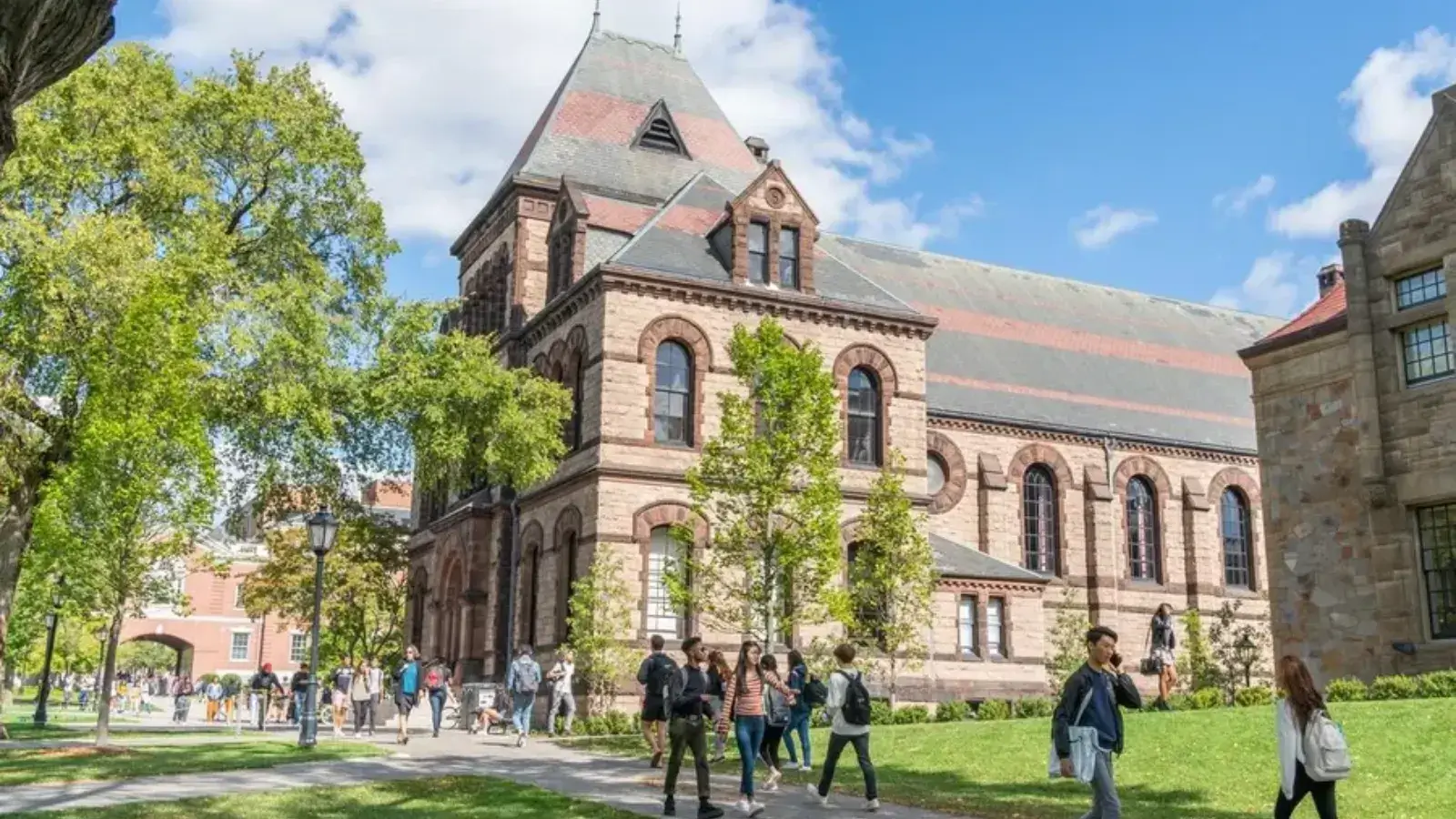
The Canadian economy is constantly evolving to incorporate healthcare, technology, trade skills, engineering, and business management. Education degrees that are unrelated to these fields can become less popular and sought after. This explains the reasoning behind conversations regarding the worst degrees in Canada being based on employability.
Reasons could be:
Lack of vacancies within the occupation
High competition for few vacancies
Requirement for additional certifications
Lower salary at the outset
Lack of hands-on experience
Students should do a cost-benefit analysis to ensure good return on investment.
Comparison Table, Why Degrees Struggle in Canada
Factor | Impact on Graduates |
Low Job Demand | Fewer openings after graduation |
High Competition | More applicants for limited roles |
Extra Certifications Needed | More time and money required |
Low Starting Salaries | Slower financial growth |
No Practical Experience | Harder to impress employers |
Examples of Worst Degrees in Canada With Lower Career Prospects
While some degrees may provide important knowledge, some degrees may provide fewer job opportunities, slower salary increases, and be more difficult in terms of careers in Canada.
General Arts Degrees Without Specialization
Arts courses provide students with both communication skills and analytical skills, but students who pursue a general course of study without defined career objectives will face challenges. More certifications in marketing, law, human resource management, and technology would be necessary for students to enhance their employability.
This degree is commonly considered to be among the worst degrees in Canada since graduating students have no hands-on skills.
Fine Arts and Performing Arts

Creative careers are rewarding but very competitive fields. Most graduates work as freelancers or part-time employees until they secure steady employment. Salary is extremely variable, based on individual talent, geographical location, and connections.
These are generally considered low demand degrees in Canada since there are more applicants than full-time jobs available.
Philosophy and History
These fields nurture analytical reasoning, research, and writing skills, but there is no clear career path. Postgraduate studies are necessary for graduates, or else they can work in administration, teaching, or corporate positions.
Failure to plan further will see them listed among degrees with low job opportunities in Canada.
Tourism and Hospitality
The industry is promising but it is vulnerable to any economic decline and changes in the seasonality of demands. In addition, starting salaries tend to be low. Students should couple their degrees with management courses or languages.
Media Studies Traditional Pathways
The media industry is evolving. Traditional journalism and print media oriented positions may have fewer chances than digital media, data media, and multimedia marketing jobs.
Comparison Table, Degrees With Lower Career Prospects
Degree Type | Main Challenge | Career Outlook |
General Arts | No specialization | Moderate to Low |
Fine Arts | Competitive industry | Low to Moderate |
Philosophy and History | Indirect career path | Moderate |
Tourism and Hospitality | Seasonal demand | Moderate |
Traditional Media | Industry shift to digital | Low |
Financial Risks of Choosing the Wrong Program
Education in Canada can be costly, particularly for foreign students. The cost of tuition, accommodation, and the period taken are very important. Low salaries and even unemployment for the graduates would lead to poor results.
This is why certain programs are considered to be low ROI degrees in Canada. ROI stands for return on investment. Students need to compare costs, average salaries, and career progression before enrollment.
In determining the worst degrees in Canada, finances are a big issue.
Comparison Cost vs Return
Study Cost | Possible Outcome |
High Tuition + Low Salary | Poor ROI |
High Tuition + Good Salary | Better ROI |
Low Tuition + Stable Job | Balanced ROI |
Courses Students Should Evaluate Carefully
Instead of deeming a field of study worthless, it is better to think about market realities. There are some courses which require more planning and coordination of skills. Such courses are considered as the worst courses to study in Canada without career preparation.
Examples include:
General humanities without specialization
Creative arts without portfolio building
Traditional media classes without digital skills
Curriculum without internship or cooperative education components
The problem is not the field itself but the employment approach to it.
Salary Challenges After Graduation
Many students aspire to recover their educational expenses within a short period of time. However, some courses might actually result in lower salary increases. Such courses might be fall under degrees that don’t pay well in Canada in early career stages
Some examples include:
Arts-related positions at an entry-level stage
Hospitality-related positions at an assistant level
Freelancing creative career paths
Administrative positions without the requirement for any particular degree
While students can succeed, salary increments may take more time.
How to Improve jobs after graduation in Canada
Despite being in a challenging field, success is achievable by taking appropriate measures. The Canadian job market recognizes practical knowledge and skills transferability.
Approaches to increase chances of success include:
Enrolling in co-op or internship programs
Acquiring data analysis skills
Developing great communication abilities
Networking on LinkedIn and attending functions
Gaining part-time industrial exposure
Pursuing postgraduate certificates
This may help avoid the pitfalls associated with the worst degrees in Canada.
Better Alternatives With Strong Demand
When employability is your primary concern, think of areas associated with high demand careers in Canada. They will help you in terms of growth and stability.
High Demand Field | Why It Performs Well |
Nursing | Constant healthcare demand |
Computer Science | Strong tech hiring |
Engineering | Infrastructure growth |
Finance | Business sector demand |
Skilled Trades | Worker shortages |
Students looking for the worst degrees in Canada need to do some comparing first.
Smart Choices for Employability

Many students inquire on the best degrees for jobs in Canada. Degrees that provide technical knowledge, licensing programs, and employer demands tend to yield better results.
Some good examples are:
Software development
Data science
Civil engineering
Nursing
Finance
Construction management
Logistics
Such fields provide better career paths compared to the worst degrees in Canada.
Research Before You Apply
The students must always look into the unemployment rate by degree Canada when researching programs. The employment data could show the industries that hire more often and those that might be overcrowded.
In addition, the students must also consider the study in Canada career prospects by province. There are certain provinces that require healthcare workers, while others thrive in technology and construction industries.
Final Thoughts on Choosing Wisely
In referring to “the worst degrees in Canada”, one does not necessarily mean that the discipline is a worthless one, but rather it requires proper planning and realistic aspirations. Passion is necessary, but combining passion with job prospects yields the best outcome.
Conclusion
The lowest-ranking Canadian degrees will always be those that have low employment opportunities and return. Select degrees that will equip you with the necessary skills through internships and relevancy to the market.
Stay Informed With EraEase
Want to learn more about education, jobs, studying abroad, and your future prospects? At EraEase, we provide you information that can help you make informed decisions when it comes to your studies and career path. Learn more at EraEase.
FAQ’s
What are considered the worst degrees in Canada?
Degrees with low employment prospects, low salaries, or unpredictable career paths are generally considered to be the worst degrees in Canada, especially when the individuals lack other qualifications.
Are arts degrees useless in Canada?
Arts degrees are not useless. However, some students may need further education or even more certifications before becoming more employable.
Which degrees have better job prospects in Canada?
The careers related to health care, engineering, computer science, finance, and trade programs will offer better employment chances compared to other fields in Canada.
How can I avoid choosing the wrong degree in Canada?
Consider issues like job requirements, salaries, costs of schooling, internships, among others, when making your decision.
Can those who enroll in less popular courses thrive in Canada?
It is possible to be successful through networking, accumulating work experience, gaining marketable skills, and furthering your studies.

About

EraEase brings practical guides on travel, automotive, e-commerce, and education, helping you simplify choices and make smarter decisions.




Newsletter
Subscribe now to stay updated with top news!
Subscribe to our newsletter and be the first to access exclusive content and expert insights.
By clicking the Subscribe button, you acknowledge that you have read and agree to our Privacy Policy and Terms & Conditions