Electric Vehicles Worth It in India for Cost and Savings 2026
Are electric vehicles worth it in India in 2026, Explore costs, savings, charging, maintenance, and incentives to decide if EVs are a smart choice.
Electric Vehicles are not just a concept for the future; they are here and are being used as a means of transport for the daily commuting public in India. Fuel costs are rising, environmental consciousness is on the increase, and the government is offering all the necessary support. Now, people are asking a very important question, are electric vehicles worth it in India in 2026? Well, the answer to this question is not a simple yes or no. Let’s discuss it in more detail.
The Growing Popularity of Electric Vehicles Worth It in India
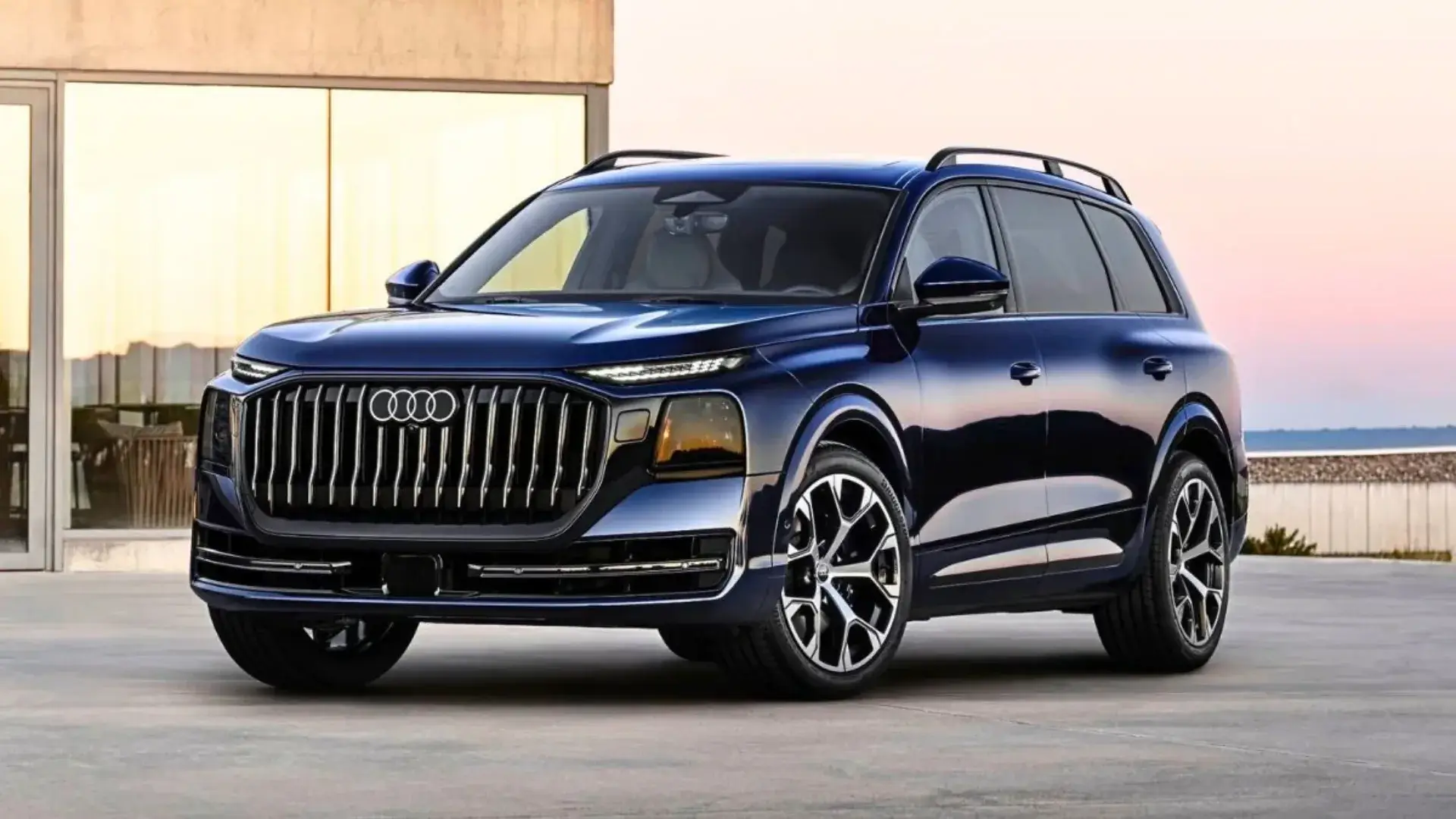
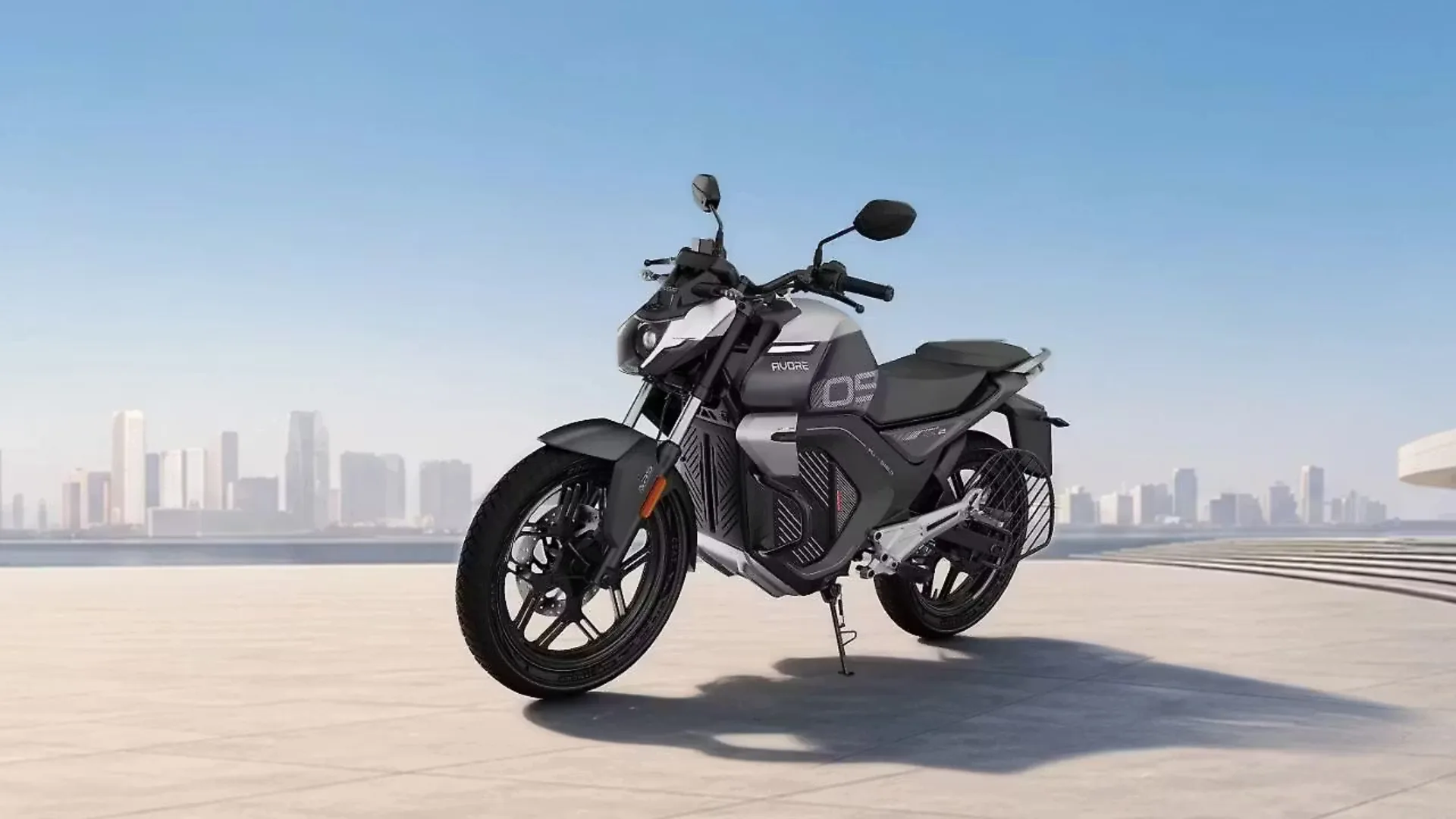
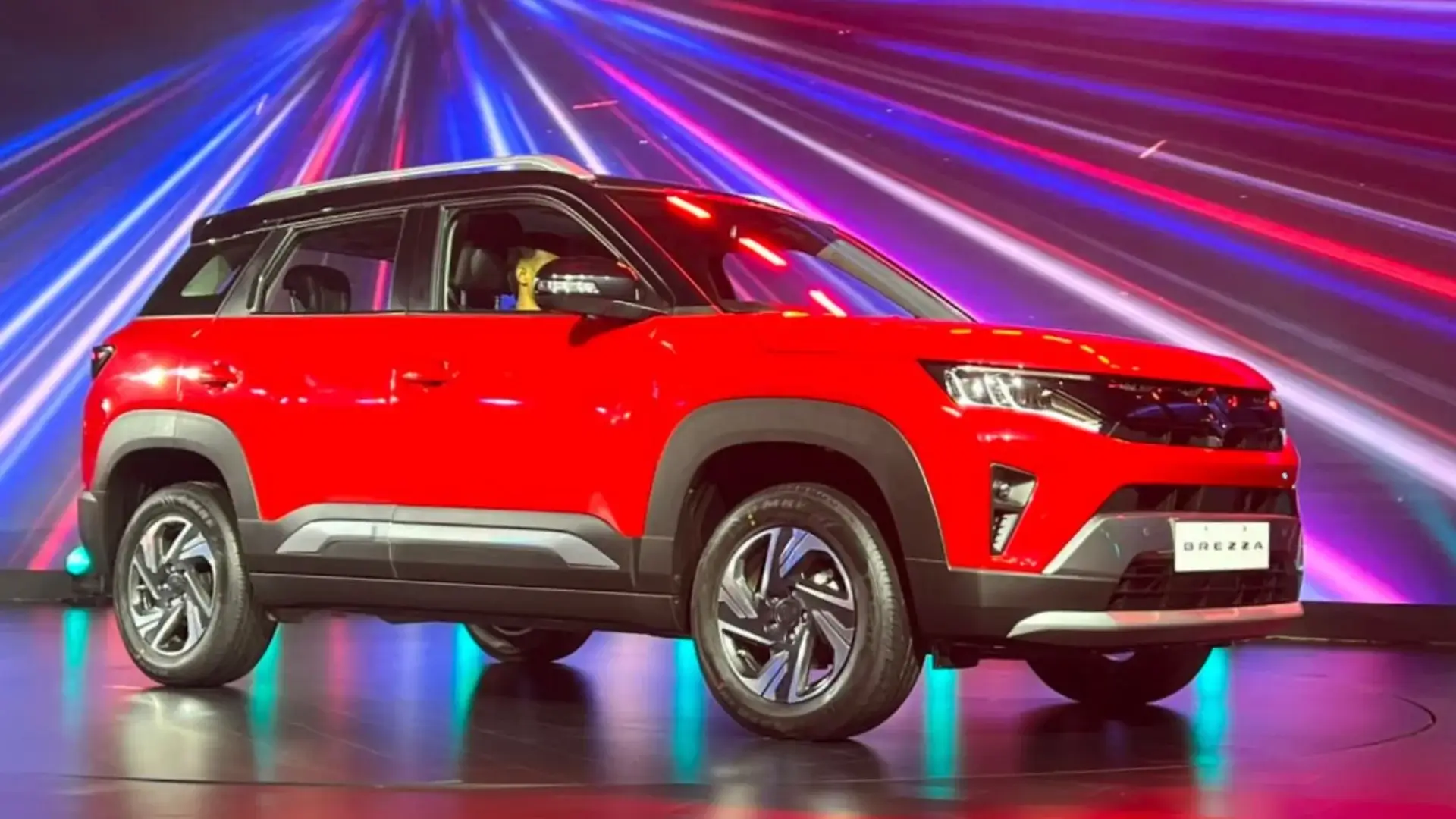
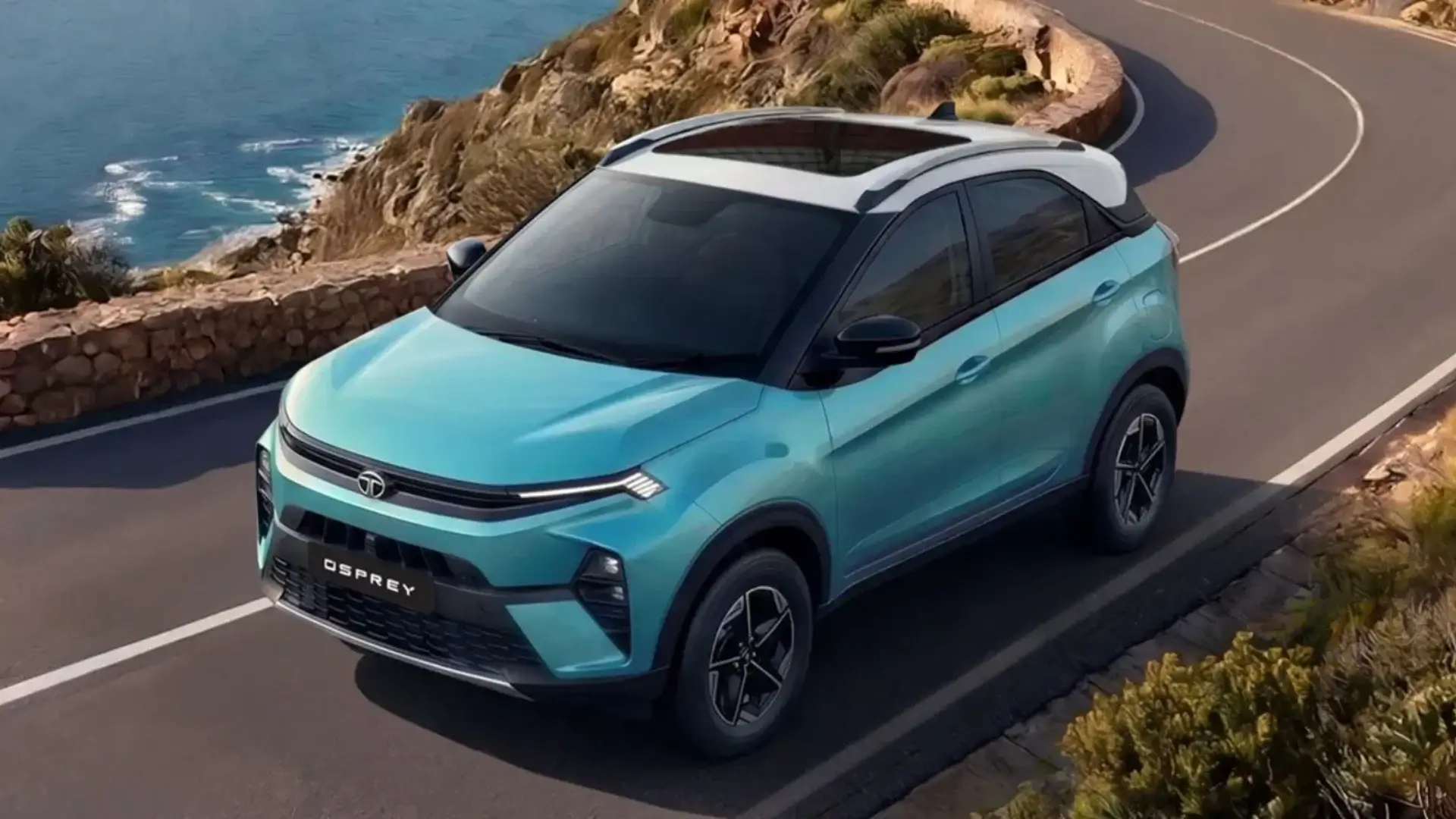
The electric vehicles segment in the Indian market has witnessed a tremendous surge in recent times. Affordable electric scooters and luxury electric cars are now available in the market. Tata, MG, and Mahindra are some of the brands investing a lot in electric vehicle technology, making it available to the masses, which further strengthens the discussion around are electric vehicles worth it for Indian consumers.
The government has initiated several measures like the FAME II scheme, and the states are also providing subsidies, which have reduced the initial costs of EVs to a considerable extent. In addition, the increase in charging infrastructure in metro cities and on highways is helping to overcome the range anxiety, which is considered to be a major factor for people not opting for EVs.
Cost Comparison EV vs Petrol Car
One of the major factors that play a role in this decision is the EV vs Petrol car cost comparison. Even though the cost of EVs may be higher in the initial stages, there are significant cost benefits in the later stages as well, especially due to the low electric vehicle maintenance cost, which reduces overall ownership expenses.
EV vs Petrol Car Cost Comparison (India 2026)
Factor | Electric Vehicle (EV) | Petrol Car |
Initial Cost | Higher (₹10–20 lakh avg) | Lower (₹6–15 lakh avg) |
Running Cost per km | ₹1–₹2 | ₹7–₹10 |
Maintenance Cost | Low | Moderate to High |
Fuel/Charging Expense (Monthly) | ₹1,000–₹2,500 | ₹5,000–₹10,000 |
Tax Benefits | Available | Limited |
Resale Value | Improving | Stable |
Battery Life and Long-Term Investment
Another aspect which the buyer has to take into consideration is the battery life of the EV, which includes concerns about the EV battery life and replacement cost. The battery life of the EV would be around 8-10 years or more. The battery warranty is also around 8 years from the manufacturer.
Replacing a battery is an expensive process, but overall, the electric vehicles long term savings still make them a worthwhile investment for many people, which again answers the question of are electric vehicles worth it for long-term users. As technology advances, it is likely that the price of replacement batteries will fall in the coming years.
Charging Infrastructure in India
The charging infrastructure is also improving, but it is still in the developing stage. Metro cities like Delhi, Mumbai, and Bangalore are seeing an increase in charging points. In addition to this, many EV owners are installing charging points at their homes.
Fast-charging stations are also being installed along highways, which is helping to increase the usability of electric vehicles for long distances. However, the EV charging cost in India is still higher when compared to refueling a petrol-powered vehicle, which could be a constraint for certain consumers.
Environmental Benefits of EVs
One of the largest advantages that is associated with EVs is sustainability. This is because they are environmentally friendly and help in providing clean air, which is very important for a country like India, which is so densely populated.
The benefits of electric vehicles in India are not limited to providing clean air, but they also help in providing a greener future and less dependency on fossil fuels. However, it’s also important to note that the environmental benefits also depend on the source of electricity.
Electric Vehicle Pros and Cons
In order to get a better grasp of whether or not EVs are worth it, it’s necessary to discuss the electric vehicle pros and cons and clearly understand are electric vehicles worth it from both sides.
Comparison Pros and Cons of Electric Vehicle
Pros | Cons |
Lower running costs | Higher upfront costs |
Minimal maintenance | Lack of charging infrastructure |
Eco-friendly (zero emissions) | Charging takes time |
Government subsidies | Expensive battery replacement |
Smooth drive & silent drive | Range anxiety |
EV vs Petrol Real-World Usage Comparison
Daily Usage Comparison (City Driving)
Aspect | EV | Petrol Car |
Daily Commute Cost (30 km) | ₹30–₹60 | ₹210–₹300 |
Monthly Cost | ₹900–₹1,800 | ₹6,000–₹9,000 |
Convenience | Home charging possible | Fuel stations required |
Driving Experience | Smooth & silent | Noisy & vibration |
Top Electric Cars in India (2026) Comparison Table
To get a better idea about whether are electric vehicles worth it or not, let’s take a look at some of the most popular EV cars that are available in India today:
Car Model | Price (Ex-Showroom) | Battery Capacity | Range (ARAI) | Fast Charging | Best For |
Tata Nexon EV | ₹12.5 – ₹19.5 lakh | 40.5–45 kWh | Up to 465–489 km | 0–80% in ~56 min | Best overall value |
MG ZS EV | ₹18 – ₹20.5 lakh | 50.3 kWh | ~461 km | Fast charging supported | Premium features & space |
Tata Punch EV | ₹10 – ₹14 lakh | ~25–35 kWh | Up to ~468 km | Fast charging available | Budget city driving |
Tata Curvv EV | ₹17 – ₹22 lakh | 45–55 kWh | Up to 585 km | 10–80% in ~40 min | Long range & design |
Mahindra XUV400 EV | ₹15 – ₹19 lakh | ~39.4 kWh | ~456 km | Fast charging supported | Performance-focused SUV |
Key Insights from the Comparison Table
The Tata Nexon EV is still the best balanced product in terms of range and price, and hence the best choice for a first-time EV buyer.
The MG ZS EV provides a premium offering in terms of space and features but comes with a higher price tag.
The Tata Punch EV is best suited for budget buyers, particularly when considering the latest upgrades in terms of range.
The Tata Curvv EV provides the best range in the market, hence best suited for long-distance travel.
The Mahindra XUV400 EV is best suited for performance-focused electric SUV buyers.
What This Means for Buyers
This comparison clearly shows that EVs are available in all budget ranges, from a budget car to a premium SUV. If you are still confused about whether to buy an EV in India or not, this variety itself is a clear indication that EVs are becoming mainstream in India and answers the question are electric vehicles worth it for different types of buyers.
Budget : 12 lakhs → Buy Punch EV
Mid-range 12-18 lakhs → Buy Nexon EV or XUV 400
Premium: 18 lakhs → Buy MG ZS EV or Curvv EV
EV vs Petrol Car Which is Better?
The cost comparison of EV and petrol cars ultimately depends upon your usage pattern. If your usage pattern involves daily driving within city limits, then EVs are extremely cost-effective.
But in case your usage pattern involves frequent travel over long distances, then a petrol car might be a better bet for now.
Is EV Worth Buying in India in 2026?
So, is EV worth purchasing in India? For most urban Indians, the answer is increasingly yes. EVs are best for you if:
You are driving frequently within the city
You have access to charging at your place
You are looking to save money on fuel
You are environmentally friendly
The answer may not be as simple for people living in rural areas and driving less frequently.
The Future of Electric Vehicles in India
The future looks bright. Advances in battery life, faster charging, and increased government support are set to propel the adoption of EVs.
Car manufacturers are also improving the range and affordability of EVs, and they are becoming more appealing to many people. As more infrastructure is built, many of the current drawbacks will be eliminated.
Conclusion
As we move forward to the year 2026, electric vehicles are not just an alternative; rather, they are becoming more mainstream. While they may not be suitable for everyone, there are definite advantages to be had with electric vehicles, making many buyers confident that are electric vehicles worth it are increasingly answered with a yes.
If your lifestyle fits well with what electric vehicles have to offer, then going electric is not only a wise choice, but it is also the future.
Want More Smart Insights Like This?
If you are looking for in-depth information regarding comparisons, buying guides, and trends on different topics such as automobiles, technology, and many more, we at EraEase are here to provide you with all the necessary information that can help you make decisions in your daily life in a simplified manner.
FAQ’s
Are electric vehicles in India in 2026 worth it?
Yes, for most city users, electric vehicles are worth it as the running and maintenance costs are low, and the government also provides incentives.
What is the running cost of an Electric Car in India?
The running cost of an Electric Car in India is around ₹1 to ₹2 per km. This is much cheaper compared to Petrol Cars, which run at a rate of ₹7 to ₹10 per km.
How long does an EV battery last?
The battery lasts for about 8 to 10 years and comes with a warranty from the company.
Is the charging infrastructure good in India?
The charging infrastructure is improving rapidly in metro cities and highways, but it still needs to improve in smaller towns and villages.
Are electric cars good for long-distance travel?
Yes, electric cars can be driven for a long distance, especially the latest models that have a higher range, but it is still necessary to plan the charging stops like a petrol car.

About

EraEase brings practical guides on travel, automotive, e-commerce, and education, helping you simplify choices and make smarter decisions.




Newsletter
Subscribe now to stay updated with top news!
Subscribe to our newsletter and be the first to access exclusive content and expert insights.
By clicking the Subscribe button, you acknowledge that you have read and agree to our Privacy Policy and Terms & Conditions