EV vs Petrol 5 Year Cost Comparison Which Saves More
Discover why cars are less reliable today, common issues in modern vehicles, and how new technology impacts long-term performance and maintenance costs.
Prabhat Bhagat
Automobile Industry Analyst with 5+ Years of Experience in Vehicle Reviews and Market Trends.
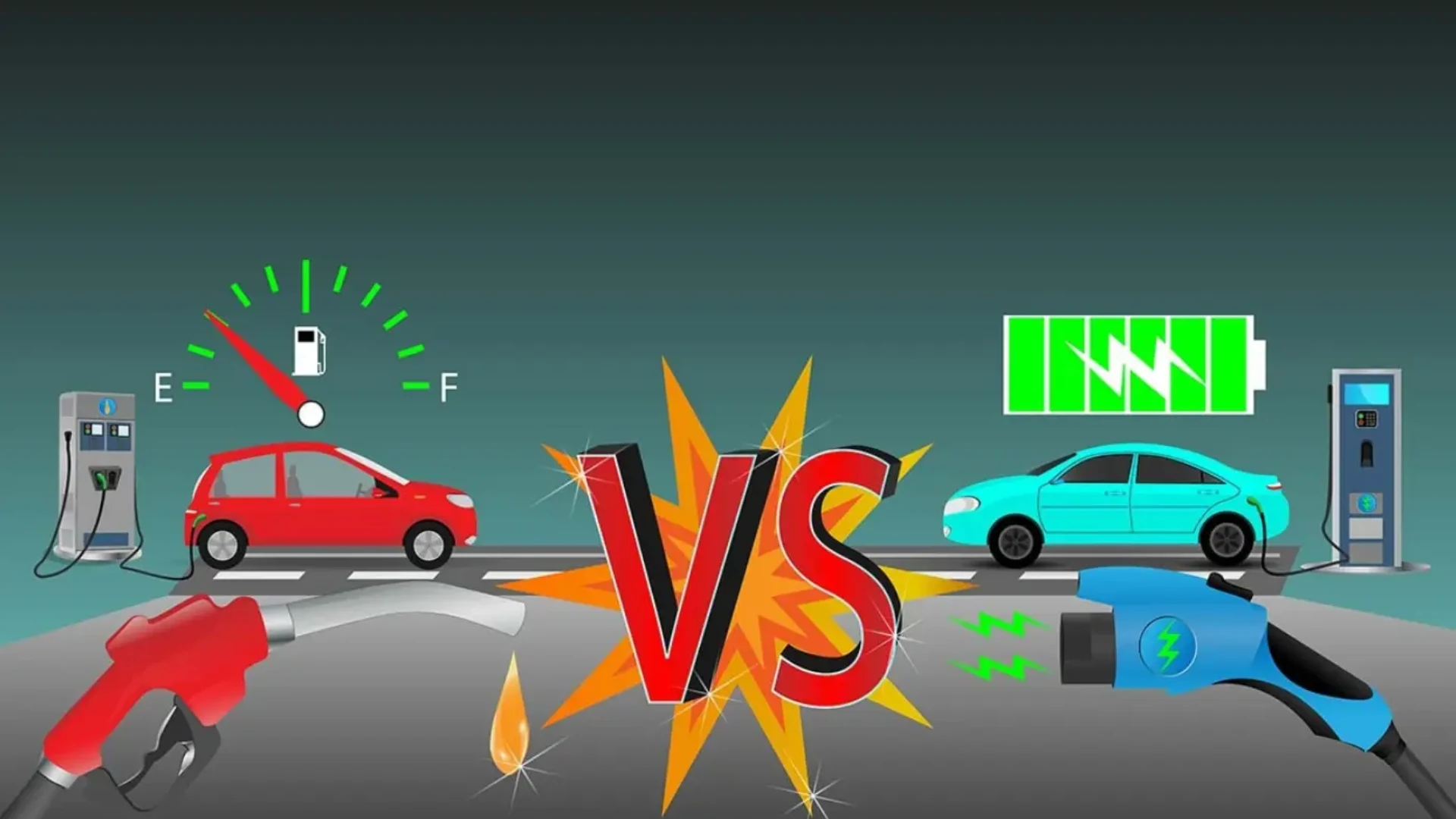
As far as selecting a vehicle is concerned, there are many discussions taking place about whether one should go for the EV or petrol cars. Considering the high cost of fuel, benefits provided by governments, and rising consciousness about the environment, buyers keep on calculating which of the two, i.e., EV vs petrol which will work well for them in terms of costs.
In this context, we will examine a realistic breakdown of costs over a 5-year period to enable you to comprehend the difference between an electric vehicle (EV) and a petrol car.
Understanding the Initial Purchase Cost
Price is one major distinction in the comparison of electric car vs petrol car. The prices of EV vehicles are higher compared to their Petrol counterparts, owing to battery technology and new infrastructure.
For instance, comparing mid-range electric cars vs petrol cars indicates that electric vehicles are more expensive by Rs.2–5 lakhs. But due to government subsidies and tax concessions, the difference is greatly reduced in India.
The petrol version of automobiles, however, is relatively inexpensive and readily available in various price segments. However, concentrating on the purchasing cost alone won't provide an accurate perspective.
Running Cost Comparison Over 5 Years
The actual EV vs Petrol cost comparison starts to come into play now. This is due to the cost differential between fuel and electricity.
Average petrol car running cost: Rs.7 – 10/km
Average EV charging cost: Rs.1 – 2/km
If your average driving distance in a month is about 1,000 km:
Cost for petrol-based cars per year: Rs.84,000 to Rs.1,20,000
Cost for an EV per year: Rs.12,000 to Rs.24,000
Quick Running Cost Comparison
Parameter | EV | Petrol Car |
Cost per km | Rs.1 – 2 | Rs.7 – 10 |
Monthly Cost (1,000 km) | Rs.1,000 – 2,000 | Rs.7,000 – 10,000 |
Yearly Cost | Rs.12,000 – 24,000 | Rs.84,000 – 1,20,000 |
In 5 years, you can save from Rs.3-5 lakhs using an EV. This becomes a convincing point in the debate of EV vs petrol.
Maintenance Expenses Over Time
In addition, there is a comparison between EV vs petrol in terms of maintenance. EVs have fewer moving parts than gasoline engines, hence less wear and tear.
EV vs petrol maintenance cost shows EV is 30%–50% more cost-effective
No need for oil change, minimal fluid replacement
Less engine problems
Maintenance of petrol-driven cars involves servicing, changing of engine oils, and replacement of parts. This costs money over time. For 5 years, the cost savings for EV users will be about Rs.50,000 to Rs.1,00,000.
Fuel Price Trends and Impact
The fluctuating fuel prices will be instrumental in determining EV or petrol which is better for you. Fuel prices in India have always been volatile in nature and moving upwards consistently.
However, electricity prices are quite stable. Despite rising tariffs for electricity, the cost of charging electric cars is still lower than that of fuel.
Fuel vs Electricity Cost Stability
Factor | EV | Petrol Car |
Price Stability | Mostly stable | Highly volatile |
Cost Predictability | High | Low |
Long-term Impact | Budget-friendly | Expensive over time |
The following fuel price comparison shows that although gasoline prices may increase unexpectedly, EV owners will have stable running costs, enabling them to forecast better.
Battery Life and Replacement Concerns
An issue that is often raised in the discussion about EV vs Petrol cars is battery life. Most contemporary electric vehicles provide:
EV battery life for 8-10 years
Warranty from the manufacturer up to 1.5-2 lakh kilometers
In five years of vehicle possession, it is unnecessary to replace the battery. Even in the case of battery wear, it happens slowly and steadily.
Battery problems are not an issue for petrol vehicles on the same scale as EVs, although petrol engines suffer from wear and tear over time.
Resale Value After 5 Years
Resale value is one of those aspects which should not be forgotten when comparing the two.
Petrol automobiles usually boast good resale values,
EV resale is also developing quickly.
The electric car resale value will be influenced by battery performance, brand reputation, and technology updates. The resale value of electric cars will rise with more widespread use.
For now, petrol-driven vehicles may still have higher resale values, but the difference is closing.
Total 5-Year Cost Comparison
Let’s summarize the total ownership cost over 5 years:
Expense Category | EV (Approx.) | Petrol Car (Approx.) |
Purchase Cost | Rs.12–15 lakhs | Rs.8–12 lakhs |
Running Cost (5 Years) | Rs.60,000–Rs.1,20,000 | Rs.4–6 lakhs |
Maintenance Cost | Rs.50,000–Rs.1 lakh | Rs.1–2 lakhs |
Total Cost | Rs.13–17 lakhs | Rs.13–18 lakhs |
Even though there is a higher initial investment in an electric vehicle, many times it will come out to be equally or even more cost-effective than conventional gasoline vehicles after five years.
Convenience and Daily Usage
Apart from price considerations, even usability impacts on the choice between EV and Petrol.
Practical Usage Comparison
Feature | EV | Petrol Car |
Driving Experience | Smooth & silent | Conventional |
Refueling/Charging | Time-consuming (charging) | Quick refueling |
Daily Convenience | Home charging available | Fuel station dependent |
Advantages of Electric Vehicles (EV):
Quiet operation
Torque availability
Charging at home
Advantages of Petrol Cars:
Fast fueling process
Well-developed network on highways
No problem with charging
Driving style determines the choice between EV and petrol.
Environmental and Long-Term Benefits
While the cost issue is certainly important, the environmental sustainability aspect should not be overlooked.
Electric Vehicles (EVs):
Emission-free
Reduced carbon footprint
Environmentally friendly choice for the future
Petrol Cars:
High emissions
Based on fossil fuels
Individuals who have environmental concerns will definitely choose the electric car over the other.
Government Policies and Future Trends
The government’s incentives to promote EVs are making them more popular through discounts and other benefits.
In the upcoming years:
The cost of EVs will decrease.
There will be an increase in the number of charging stations.
Advances will be made in battery technology.
This will add to the strengths that EVs possess compared to gasoline-powered automobiles.
Final Verdict: Which One Saves More?
Upon examining the total cost of purchase, operations cost, maintenance, and resale value, the question of which is better: EV or petrol, is answered based on usage.
EV for use every day, planning for future savings, and sustainability
Petrol for low purchase cost and regular long distance traveling
For most urban environments, EVs turn out to be the cheaper option after five years.
The Conclusion
From a long-term perspective, EV vs Petrol indicates that electric vehicles provide more savings due to cheaper operational and maintenance expenses, even with higher initial cost. When it comes to commuting around cities, then the electric car would be a more appropriate choice.
Stay informed about all aspects with EraEase and find out all the details that you need. Read informative articles that can provide you with useful advice.
FAQ’s
Is the EV cheaper than the petrol car in the first 5 years?
Yes, in most cases, EVs prove to be more economical during the first 5 years because of considerably lower operational and maintenance expenses despite the higher upfront cost of purchase.
What savings will I get from choosing an EV over a petrol car?
On average, you can make savings of Rs. 3-5 lakhs during the first 5 years.
Is there a need to replace the battery after 5 years in an electric vehicle?
No, because the battery life of an electric vehicle ranges between 8-10 years, with warranty support of 1.5-2 lakh kilometers, hence there is no need to change it within five years.
Are petrol vehicles better for long-distance driving?
Yes, petrol cars have an advantage over electric cars in terms of refueling convenience and charging stations.
Which is more suitable for city use on a daily basis, EV or gasoline?
Electric vehicles are relatively more suited to daily usage in cities due to lower costs and ease of refueling.

About

EraEase brings practical guides on travel, automotive, e-commerce, and education, helping you simplify choices and make smarter decisions.




Newsletter
Subscribe now to stay updated with top news!
Subscribe to our newsletter and be the first to access exclusive content and expert insights.
By clicking the Subscribe button, you acknowledge that you have read and agree to our Privacy Policy and Terms & Conditions