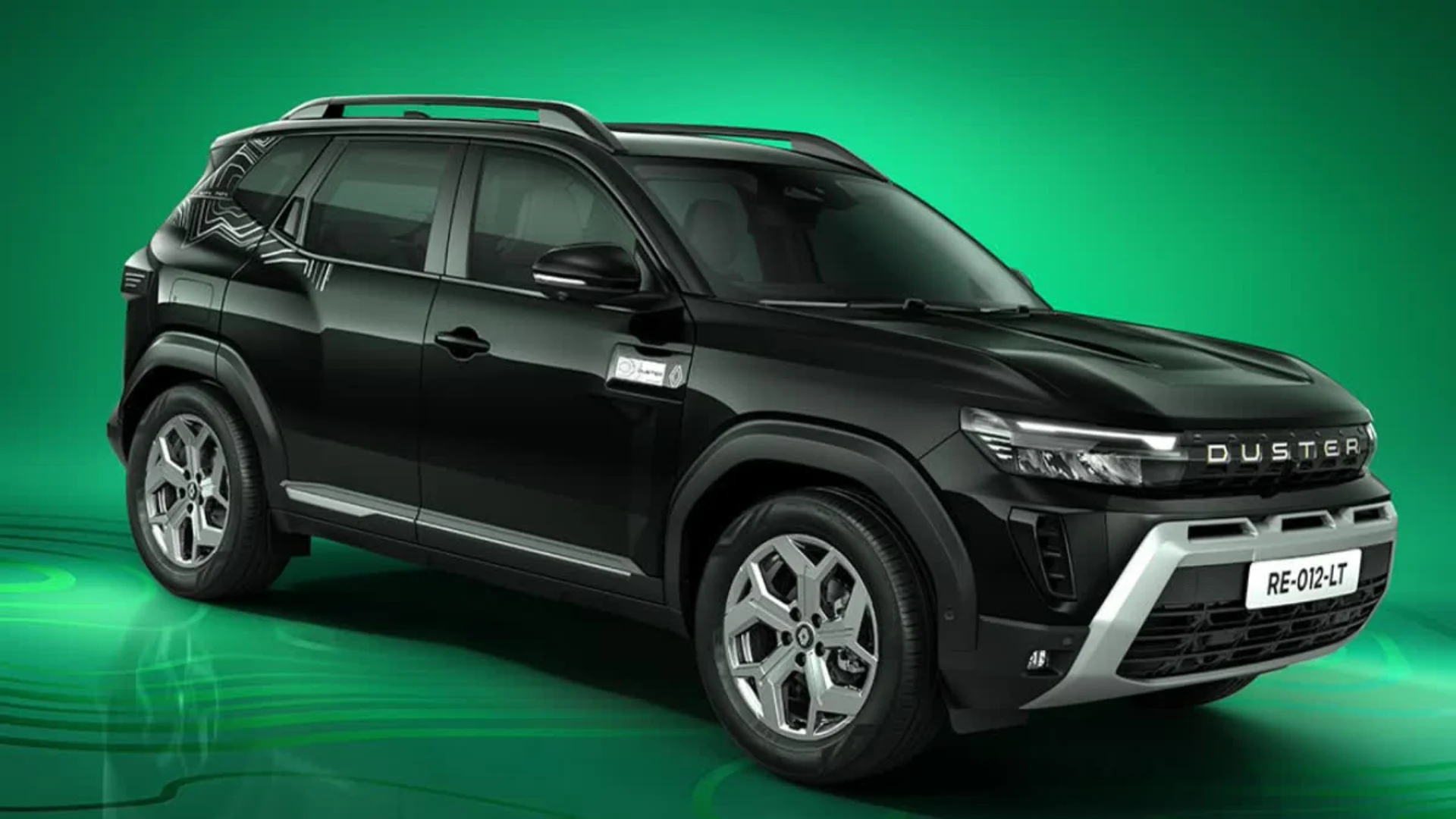
Hybrid vs Petrol vs Electric Cars in India, Which Drives the Future?
Compare petrol, hybrid, and electric vehicles to understand the best cars range in India, covering costs, performance, mileage, and which option truly drives the future.
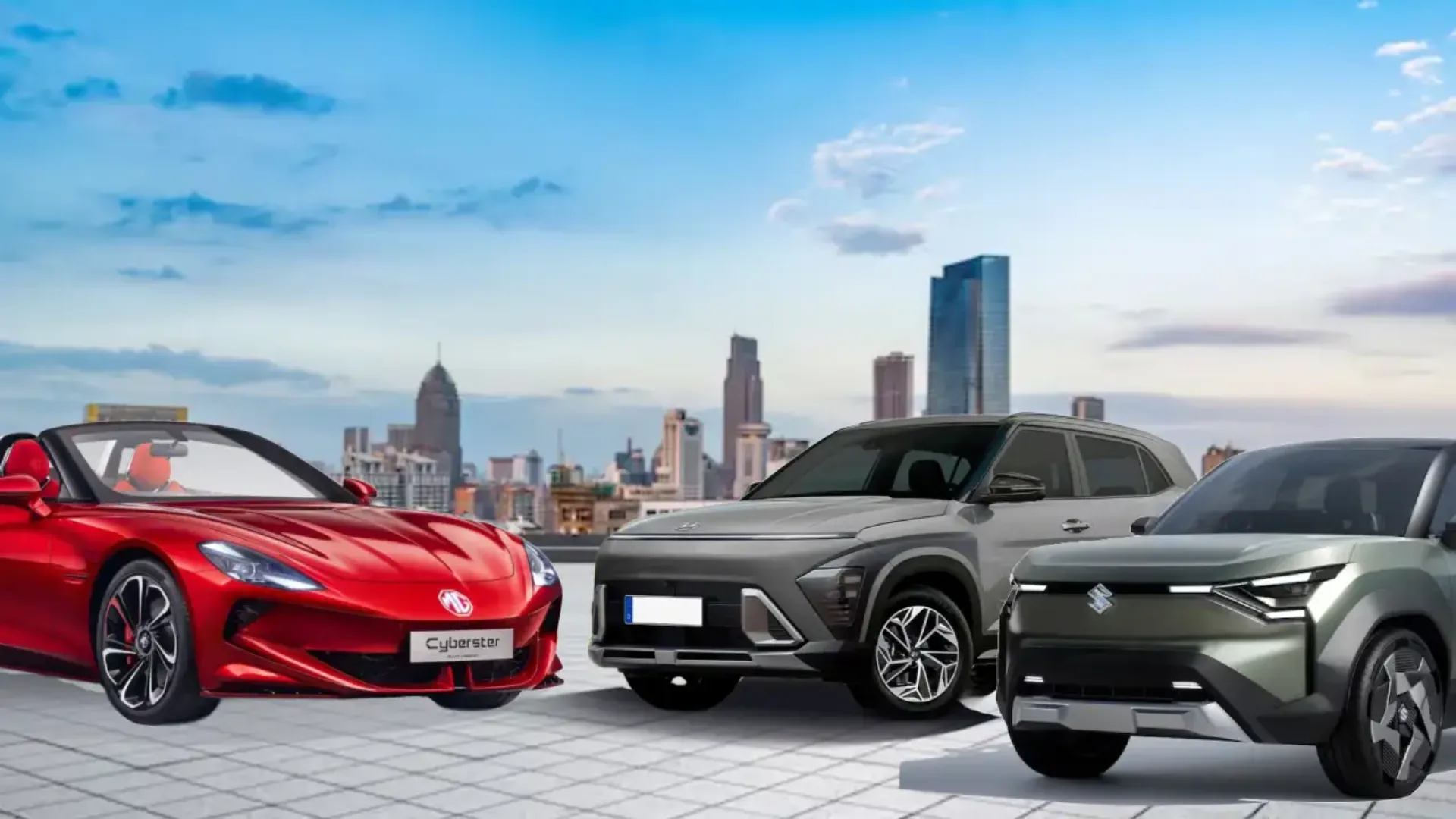
Petrol, hybrid and electric cars on Indian roads showing the future of mobility in India
Picture yourself in India at a traffic light. On your left, a Maruti Swift is waiting quietly. On your right, a Tata Nexon EV is almost silent. Behind you, a Toyota Hyryder Hybrid is moving quietly without you noticing. For buyers exploring the best cars range in India, this scene perfectly captures today’s choice dilemma.
The modern Indian city presents itself through three distinct automobile brands that operate on its streets, while their drivers claim their respective vehicles to be the superior choice.
The million-dollar question requires an answer about which option is the actual correct choice.
Let’s not talk like brochures. Let’s talk like real drivers.
Petrol Cars
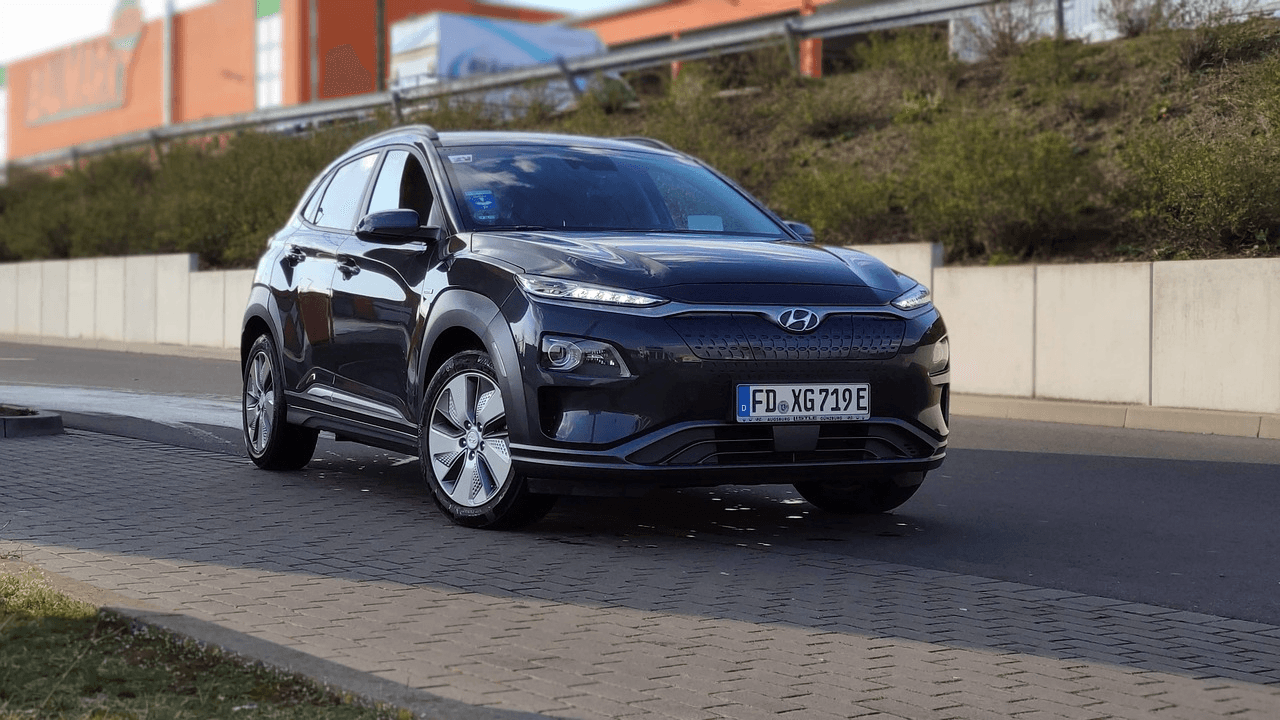
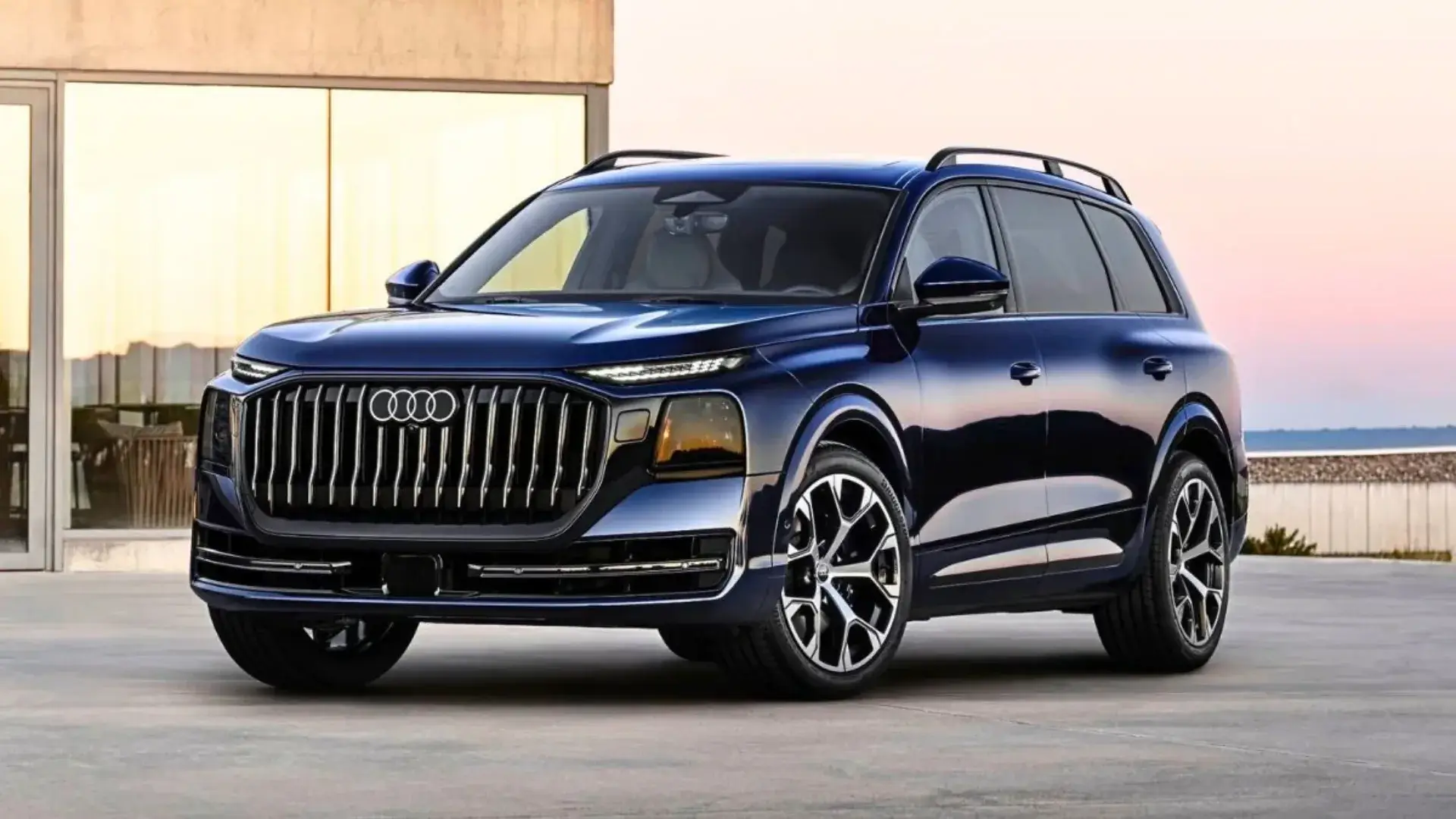
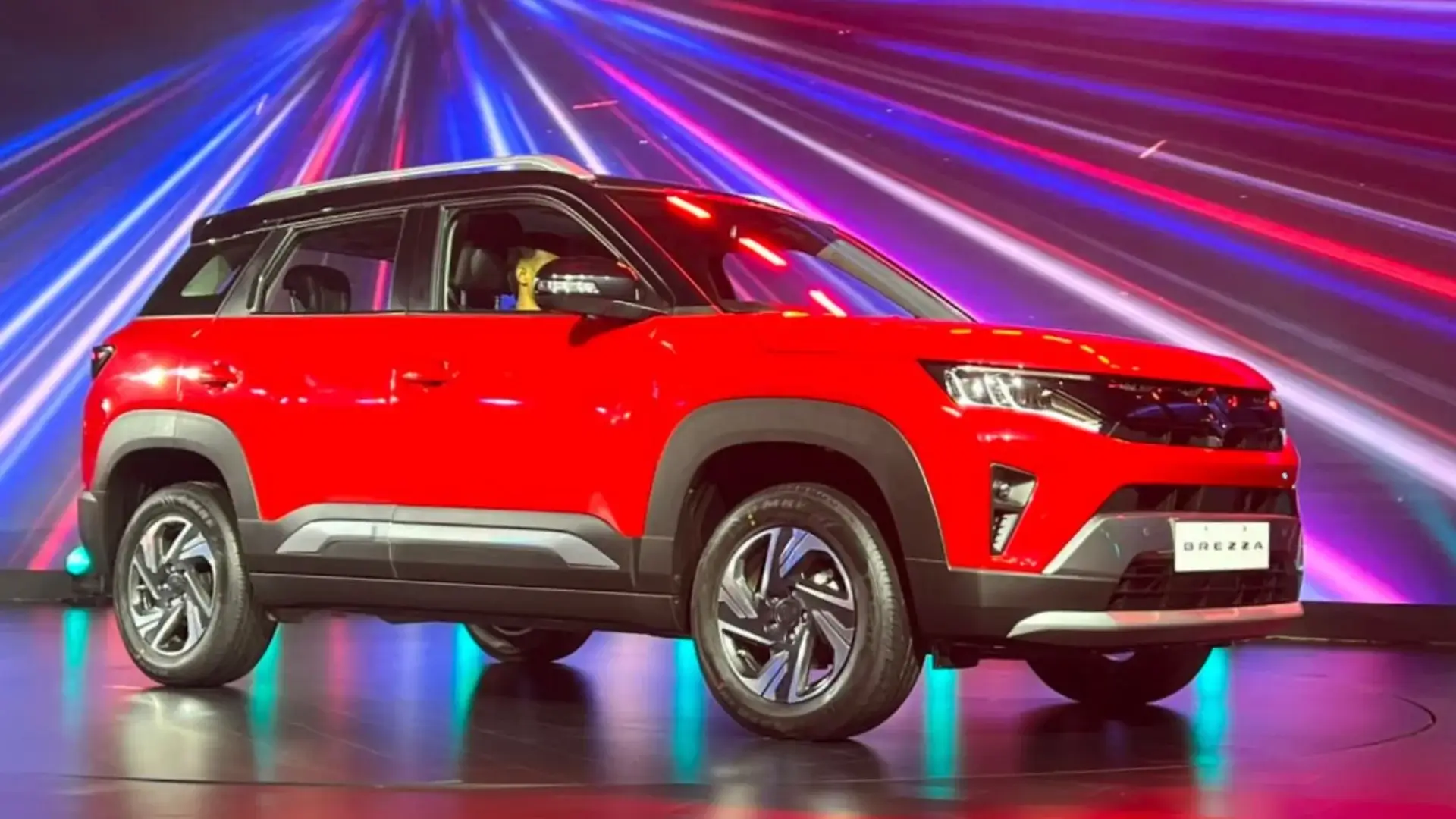
Petrol cars in India offering reliable performance and easy refuelling
Just like an old friend who keeps their secrets to themselves, petrol cars might not be the most exciting, but they are reliable and unmatched.
You can see cars like Maruti Swift, Hyundai City, and Hyundai i20 on almost every road. They are the most visible cars because most people do not end up going for the same car. They end up going for these cars because they are the best maximization of performance for the price. They are all street and highway-capable.
Need fuel? A petrol pump is never out of reach. Do you have repair needs? Any auto repair shop will tell you they know petrol engines inside out!
But the uncomfortable truth: Petrol-powered cars are slowly and surely becoming costly affairs to own. Not just because fuel prices are increasing year by year, not just because the gains in diesel car mileage seem to be reaching an asymptote.
Petrol cars are not bad; they are simply not considered the brightest long-term option in some individuals’ minds.
Hybrid Cars
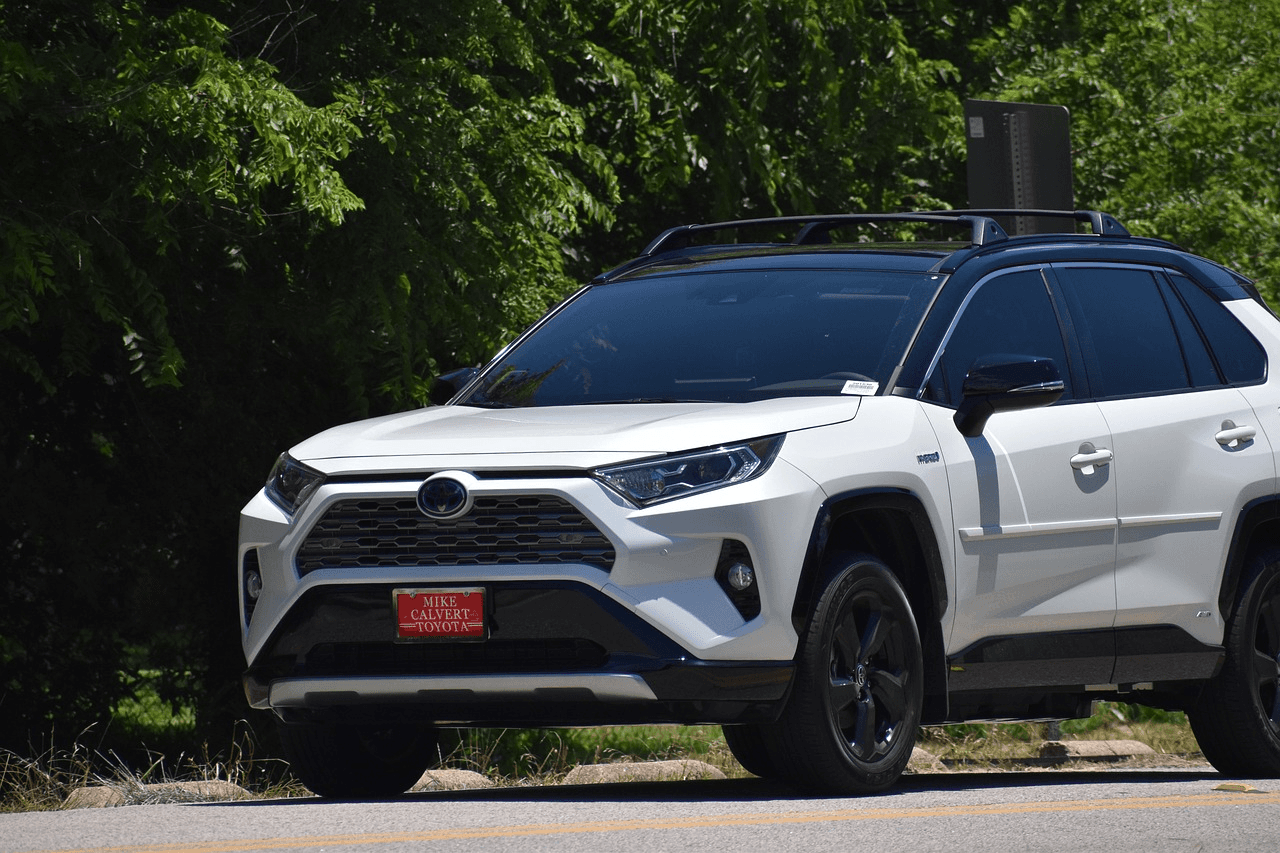
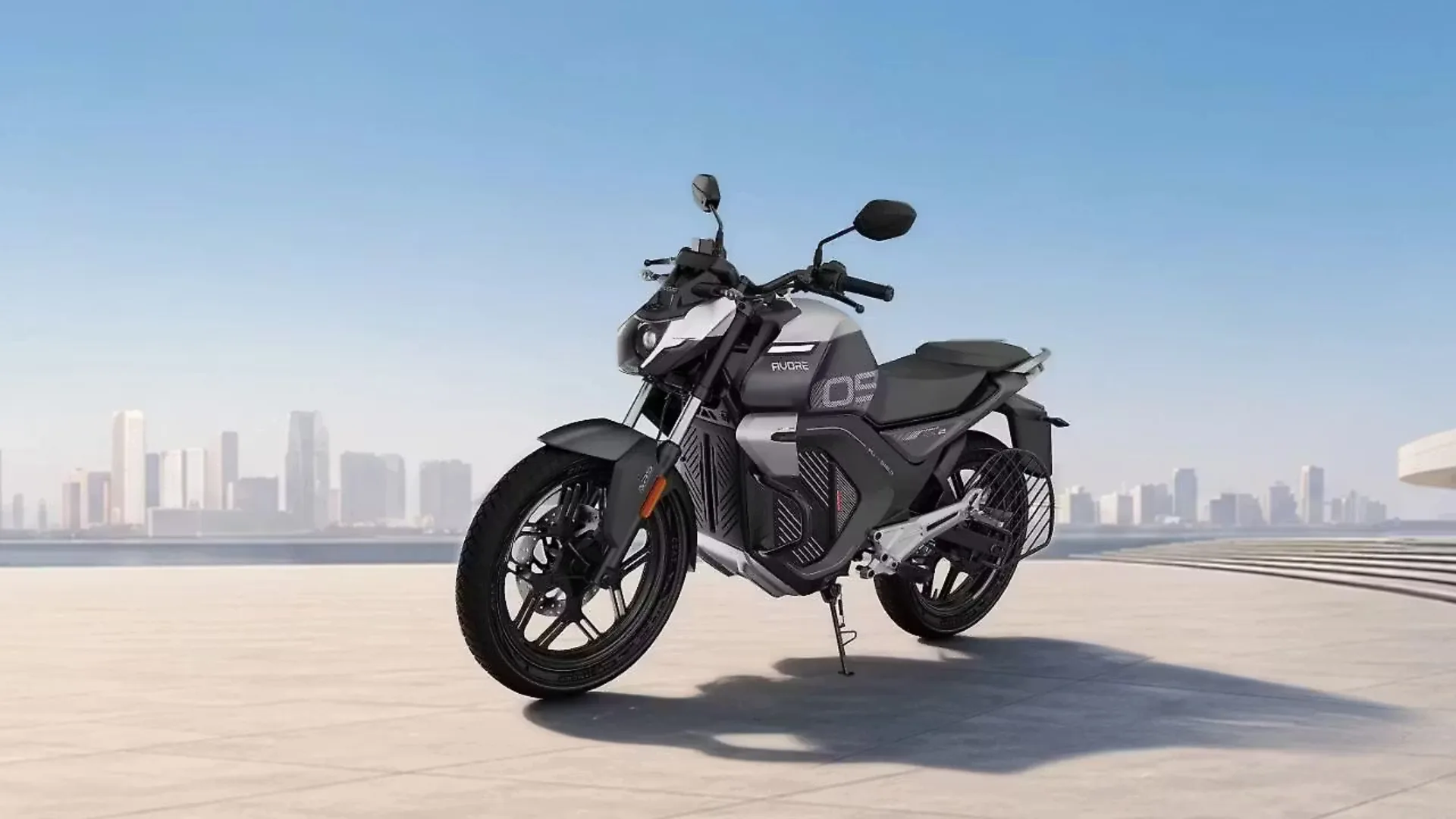
Hybrid cars in India combining petrol and electric power for better fuel efficiency
Hybrid cars are probably the most misunderstood vehicles in India.
They don’t need charging. They don’t make noise about being “green.” They just work efficiently.
What about cars like Toyota Urban Cruiser Hyryder Hybrid or Toyota Camry? Both these cars run smoothly in traffic-clogged cities purely on electric motors at low speeds and switch to the highway using their petrol motors. The changeover is so smooth you won't notice the switch from electric to a petrol motor. These models are frequently discussed among buyers comparing the best cars in range of 15 to 20 lakhs for mixed city and highway usage.
The result? It shows excellent real-world mileage in the most difficult driving condition which involves continuous stop-and-go traffic. Less fuel burned. Fewer emissions. No range anxiety.
So why don’t more people buy hybrids?
Simple: price. Hybrids cost more upfront, and unlike electric cars, they don’t receive strong government incentives. Add to that limited options, and hybrids remain a niche choice.
Nevertheless, from a purely practical standpoint, hybrids are among the most sensible solutions with regard to the conditions prevailing on the Indian roads.
Electric Cars
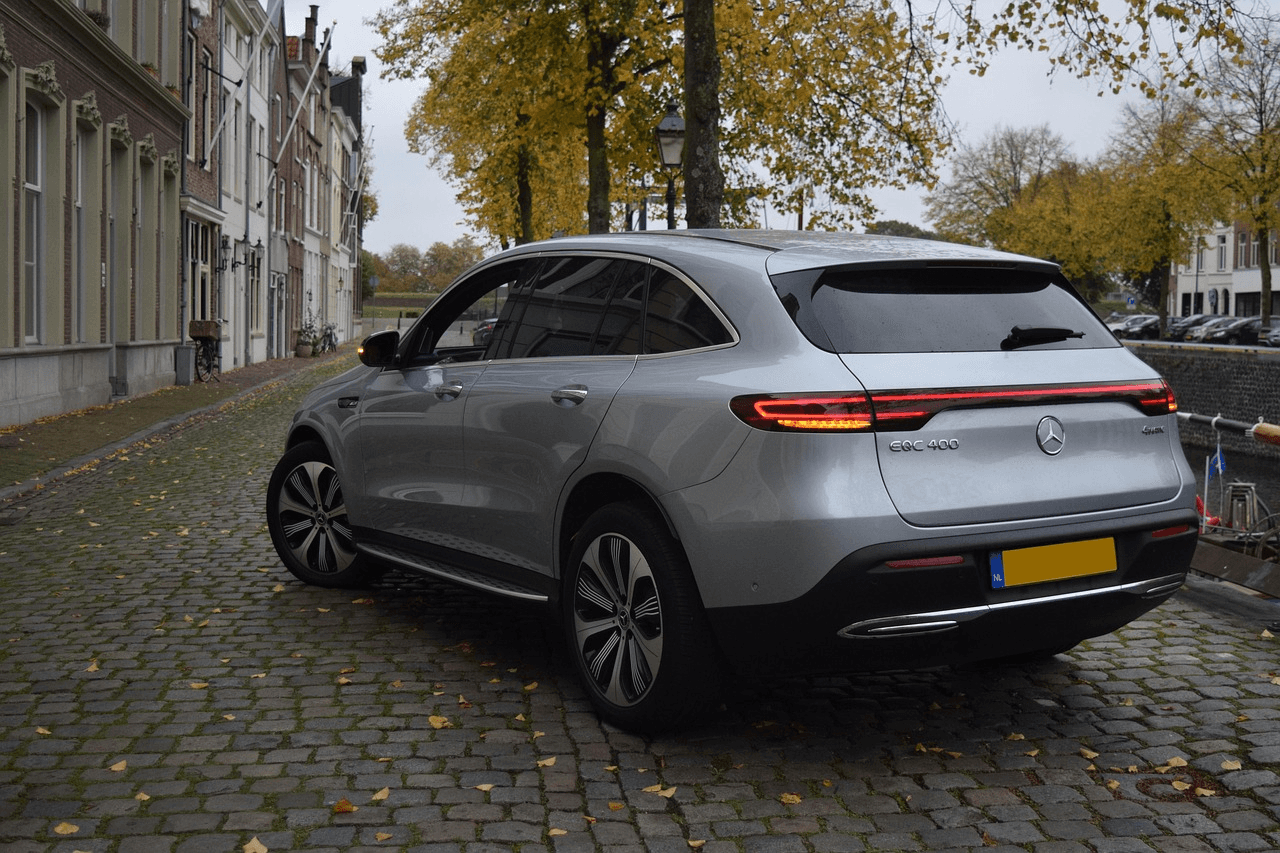
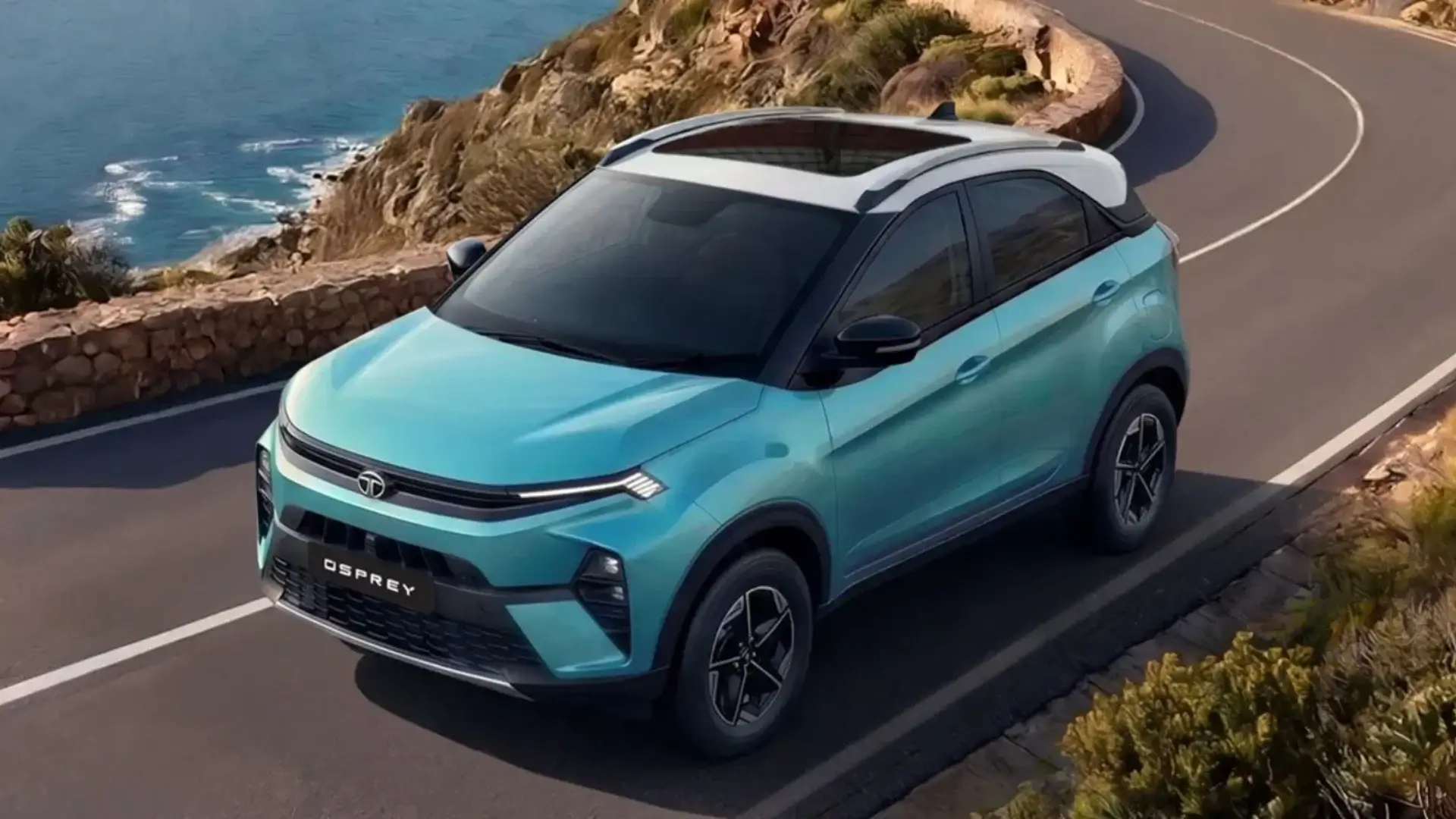
Electric cars in India with home charging and zero emission driving
Just a few years ago, fully electric EV's were merely car industry gimmicks.
However, with the creation and implementation of electric vehicles into society like the Tata Nexon EV, Tata Tiago EV, MG ZS EV, and others. These vehicles are capable of operating fully throughout the day. Electric vehicles now do not just operate during commuting hours, like going to school and work. They are used all the time, even for grocery shopping.
What might surprise someone when they buy their first electric car? Running costs. Charging at home costs far less than filling a petrol tank, and maintenance is refreshingly simple. No oil changes, fewer parts, fewer headaches.
Driving an EV is also… different. Quiet. Smooth. Instantly responsive. The experience of operating a noisy petrol engine becomes outdated after people complete their initial adaptation.
There are issues with the EV system as they are not able to function correctly in every scenario. Charging stations are not easy to find outside big cities. Drivers must plan their trips, and many new buyers worry the car may run out of power.
There is an assumption made that EV's are designed to be used exclusively in and around city driving. However, they are far more valuable and versatile than current views suggest.
The Quick Comparison
Feature | Petrol | Hybrid | Electric |
Running Cost | High | Medium | Very Low |
Purchase Cost | Low | High | Medium |
Emissions | High | Low | Zero |
Convenience | Very High | High | Medium |
Popular Models | Swift, i20 | Hyryder, Camry | Nexon EV, ZS EV |
Pro and Cons
Petrol Cars
Pros:
Lower upfront purchase cost
Widely available fuel stations across India
Easy and inexpensive servicing
Familiar driving experience
Ideal for long highway trips without planning
Cons:
As fuel prices rise, running costs rise.
Consumes a greater amount of fuel than hybrid or electric vehicles.
Creates pollution and causes environmental harm.
Needs a regular oil change and repair.
Coming new emission rules could affect car market uncertainty in future.
Hybrid Cars
Pros:
Remarkable fuel efficiency in real-world situations.
No charging needed, no range anxiety.
Lower emissions than petrol cars
Smooth and silent at low speeds
Cons:
High upfront cost
Limited model choices
Minimal government incentives
Higher repair costs if something goes wrong
Electric Cars
Pros:
Extremely low running and maintenance costs
Zero tailpipe emissions
Silent, smooth, and quick acceleration
Government incentives and tax benefits
Cons:
Charging infrastructure is still developing.
Higher upfront cost than petrol cars
Long trips require planning.
Battery replacement costs (long-term concern
Which One Actually Drives the Future?
The honest answer is simple: all three do, but not in equal measure.
Petrol cars will continue to be the most common vehicle type for the foreseeable future. They are familiar, simple to own and operate, and don’t require any lifestyle changes. You can drive anywhere you want to go, and the fuel can be filled in a matter of minutes. More than that, petrol cars are available everywhere, and a mechanic is always just around the corner. Petrol cars are not disappearing from the market, and as a segment, they are certainly biased toward a losing future.
Hybrid cars are the quiet problem-solvers. It is nearly perfect for the way Indians drive. Yet, there is a major drawback: low visibility and a lack of policy support. Higher prices and limited options keep them from going mainstream. If it does receive a boost, though, hybrids have a huge potential to make a comeback.
Electric vehicles, however, are where the real momentum is building. The state of the infrastructure is improving, the batteries are getting better, plus the overall cost is significantly lower than that of other vehicles. When you have an EV, you don’t need to worry about petrol, and that tells you a lot about where things are going, especially for buyers comparing cars under 20 lakhs with future-ready technology.
The Real Choice Isn’t about Technology
It’s about you.
If you drive long distances often and want zero hassle, Petrol still works.
If you live in traffic-heavy cities but travel on highways regularly, a Hybrid makes sense.
If most of your driving is urban and predictable, Electric is the future you can buy today.
India doesn’t need a single winner. It needs options that match real lives, real roads, and real habits.
And right now, the road ahead isn’t electric or petrol.
It’s electric and evolving.
FAQ’s
Which car type is best for daily city driving in India?
Electric cars would be ideal for daily use in cities due to their low cost, reliability, and lack of emissions from the exhaust system. This category of cars is useful especially when one needs to cover short distances that are predictable.
Are hybrid cars better than petrol cars in India?
A hybrid car is preferred over a gasoline vehicle if the customer wants higher fuel efficiency and lesser emission without having the issue of availability of charging stations.
Is it worth buying an electric car in India in 2026?
Yes, for many consumers, it makes sense to buy an electric vehicle in India in 2026, particularly if you primarily travel around the city and can charge your vehicle at home. Reduced maintenance and lower costs of energy make EVs appealing.
What are the biggest disadvantages of petrol cars now?
The main downsides for gas cars include high prices of fuel, higher maintenance costs, and higher carbon dioxide emissions compared to hybrid and electric cars. However, gas-driven vehicles remain highly convenient and easy to fuel up.
Which car type is the future in India: petrol, hybrid, or electric?
Electric cars will lead in the future with infrastructure developments, low maintenance costs, and support from governments. However, gas cars and hybrid cars will retain their importance depending on needs and location.

About

EraEase brings practical guides on travel, automotive, e-commerce, and education, helping you simplify choices and make smarter decisions.




Newsletter
Subscribe now to stay updated with top news!
Subscribe to our newsletter and be the first to access exclusive content and expert insights.
By clicking the Subscribe button, you acknowledge that you have read and agree to our Privacy Policy and Terms & Conditions