Car Affordability Guide 2026 Save Money on Your Next Car
Explore the Car Affordability Guide 2026 with smart budgeting tips, ownership costs, and expert advice to help you choose the right car.
Prabhat Bhagat
Automobile Industry Analyst with 5+ Years of Experience in Vehicle Reviews and Market Trends.

Car purchasing in 2026 will not be simply a matter of picking out the vehicle that you want. Factors such as increased cost of automobiles, increased insurance premiums, costs of fuel, and increased interest rates have altered how individuals view car purchases globally. Regardless of whether you are buying your first car or looking for an upgraded one, knowing how much you can afford is essential.
Here we are going to discuss car affordability guide 2026 that discusses ways through which one can determine their realistic budget to avoid financial pressure when buying cars. Budget planning techniques are highly advocated by financial advisors and auto experts across the globe because most individuals tend to underestimate the cost of owning a vehicle.
Why Car Affordability Matters More in 2026
The global automobile market has undergone major changes in recent years. Prices of new automobiles have risen because of the use of sophisticated technology, tough emissions standards, high manufacturing costs, and the need for SUVs and electric cars. In many nations, monthly car payments are higher than what families can afford easily.
The most significant mistake that buyers commit is concentrating their attention on the monthly payments rather than total cost. The dealerships usually extend financing periods to make costly vehicles look more affordable for buyers. Although the buyer will feel relieved because of affordable monthly payments, in reality, the buyer will end up paying more.
For this reason, experts in automotive finance always advise to start with the calculations first.
Understanding the 20 4 10 Rule
One of the most recognized financial tenets in the automobile industry is the 20-4-10 rule. Numerous automobile financing sites and calculators still recommend this strategy even in 2026.
The 20-4-10 rule states that one should:
Have at least 20% down payment
Loan the car within four years
Not exceed 10% of monthly gross income on overall expenses
It serves to prevent buyers from getting themselves into financial trouble.
For instance, if your monthly income is USD 5,000, you need to ensure that your overall cost of transport after considering repayments, fuel, insurance, and maintenance remains below USD 500.
The calculation above gives the answer to the frequently asked question about how much car can I afford in 2026, in a realistic and financially responsible way.
How to Calculate Your Car Budget
Most consumers fail to understand the number of considerations involved in determining affordability. Mastering the art of assessing how to calculate car affordability involves much more than just the showroom price.
The following are the most crucial factors to consider:
Expense Category | What It Includes |
Vehicle Price | Base price and optional features |
Loan Interest | Total interest over loan duration |
Insurance | Annual premiums |
Fuel or Charging | Petrol, diesel, hybrid, or EV charging |
Maintenance | Servicing, tires, repairs |
Taxes and Registration | Regional government charges |
Depreciation | Value lost over time |
Experts now advise buyers to use a car budget calculator 2026 prior to making any purchase. These calculators calculate realistic monthly payments considering their salary, loan period, and interest rate.
Income vs Vehicle Price

The relationship between income vs car price ratio of the automobile is one of the best measures of smart vehicle purchase. Financial advisors worldwide suggest that you should not buy a car that costs more than your yearly salary.
Let us look at this situation practically:
Annual Salary | Recommended Maximum Car Price |
USD 30,000 | USD 10,000 to 15,000 |
USD 50,000 | USD 18,000 to 25,000 |
USD 75,000 | USD 25,000 to 35,000 |
USD 100,000 | USD 35,000 to 50,000 |
These values may differ according to debt, property costs, and tax rates in the specific area, yet they can serve as an indicator of more realistic affordability.
In real-world ownership experience, those that adhere to these figures have been proven to be less financially stressed and can manage their finances better. This is often discussed by many online automotive forums, where many people talk about how buying expensive cars hinders future investments.
The Importance of Down Payment
A high down payment for car purchase is highly likely to increase its affordability easier.
The advantages are:
Fewer monthly installments
Lessening of interest expense
Increased possibility of approval of loan
Minimization of chances of negative equity
Enhanced resale prospects
Experts in the field still advise that a minimum of 20 percent down payment should be made when it is feasible. Consumers who make low down payments may encounter longer periods of repayment and increased costs of vehicle ownership.
In terms of electric cars and luxury sport utility vehicles, a high down payment becomes necessary due to their tendency for rapid depreciation in the initial years.
Understanding Car Loan EMI
Before buying a car, one needs to know the car loan EMI calculation well.
Factors determining your EMI include:
The amount you are borrowing
The rate of interest charged
Duration of loan taken
Down payment
Your credit score
While the higher the loan duration will lower the EMI but increase the interest paid. For instance,
Loan Term | Monthly Payment | Total Interest Paid |
4 Years | Higher | Lower |
7 Years | Lower | Much Higher |
Auto finance experts usually recommend that buyers focus on reducing the total cost of ownership rather than seeking ways to reduce monthly payments only.
The realistic monthly car payment rule should ensure that monthly car payments are not more than 10 percent of monthly take-home pay. This may impact your savings, vacation budget, and emergency fund.
New Car vs Used Car Affordability
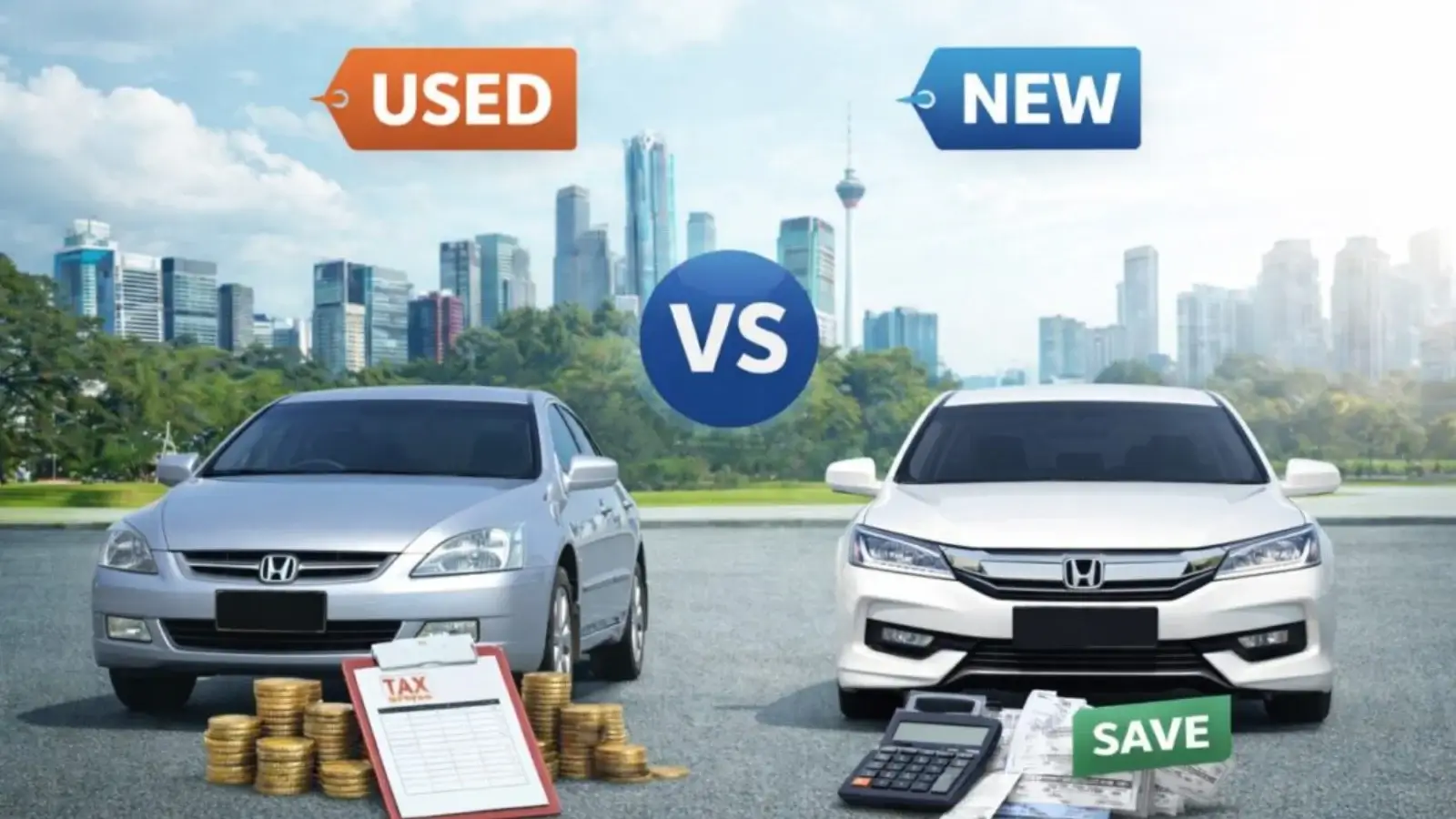
One of the most important discussions in today’s automobile industry is which option, either buying new or used cars, is financially feasible.
New Cars
Advantages:
State-of-the-art safety features
Warranty
High fuel economy
Low maintenance costs
Disadvantages:
Faster depreciation
Costly insurance
Heavier financing obligation
Used Cars
Advantages:
Less expensive to buy
Depreciation will be lower
Cheaper to register
Disadvantages:
Repair costs
Warranty is not long
Outdated
In most nations, certified second-hand cars have become more common since they provide a good combination of price and quality. People who are seeking an affordable car price range based on salary will find that buying used cars is more rewarding than purchasing new ones.
Why Total Ownership Cost Matters
One of the most common financial mistakes that people make when purchasing a car is not taking into account the total cost of car ownership.
This means that a car worth USD 30,000 could actually end up being much more expensive in the long run, considering the following costs:
Cost of fuel
Insurance payments
Repairs
Tires replacement
Parking costs
Taxes
Interest on loan
Electric cars save on fuel expenses but have insurance issues and the problem of replacing batteries. SUVs provide practicality but tend to burn more fuel and require costly insurance.
Professional car buyers always advise to opt for a car that will meet personal needs and long-term financial objectives rather than to choose an appealing option emotionally.
Real World Ownership Insights

For an automotive analyst perspective, affordability issues generally emerge once the initial buzz of purchasing subsides.
Regrets by many buyers include:
Opting for long-term loans of seven or eight years
Neglecting maintenance costs
Splurging on premium versions
Unnecessary acquisition of bigger SUVs
Undervaluing insurance premiums
However, individuals who follow practical budgets can have more financial freedom when traveling, investing, purchasing homes, and in emergencies.
The online car community often talks about the issue of being “car poor,’’ that is, spending too much money on cars and thus limiting one’s options in life.
Smart Tips Before Buying a Car in 2026
Following are some valuable tips suggested by auto industry experts around the world:
Get quotes on insurance
Finance for no more than 60 months
Think twice about resale value
Opt for performance over appearance
Be realistic in calculating fuel cost
Keep your emergency money in a separate account
Do not base your decision on dealers' affordability only
Financial stability will always remain important in a detailed car buying budget guide 2026 than any other factor.
Final Thoughts
The smartest car buyers in 2026 will not be buying the most expensive cars. Rather, they will be buying cars that suit their budget, lifestyle, and future financial aspirations without causing any financial or psychological pressure on themselves.
Stay Updated With EraEase
Explore EraEase for trusted automotive insights, car buying guides, ownership tips, EV trends, and informative content designed to help readers make smarter and more confident vehicle decisions worldwide.
FAQ’s
How much of my salary should I spend on a car in 2026?
Generally, financial advisors advise that the overall cost of the car should be kept under 10% to 15% of one’s salary per month.
Is buying a used car more affordable than a new car?
Indeed, used cars are generally cheaper because their purchase price is relatively low, their depreciation rate is relatively low, and in some cases, their insurance costs may also be relatively lower compared to new cars.
What is the ideal down payment for a car purchase?
An ideal percentage to pay for down payment would be 20% since it ensures that the monthly payment is relatively low, and interest payments are minimized.
Why is total cost of ownership important when buying a car?
The total cost of ownership is calculated based on the price of fuel, servicing, insurance, taxes, depreciation, and loan interests.
Should I choose a longer car loan tenure to reduce EMI?
Loans that have longer repayment periods imply that the EMI will be relatively low, but there will be higher interest payments within the loan period, hence the cost of the car becomes relatively high.

About

EraEase brings practical guides on travel, automotive, e-commerce, and education, helping you simplify choices and make smarter decisions.




Newsletter
Subscribe now to stay updated with top news!
Subscribe to our newsletter and be the first to access exclusive content and expert insights.
By clicking the Subscribe button, you acknowledge that you have read and agree to our Privacy Policy and Terms & Conditions