Car Overheating Causes Symptoms, Reasons & Solutions
Discover the top car overheating causes, common warning signs, and effective fixes to prevent engine damage and keep your car running smoothly.
Prabhat Bhagat
Automobile Industry Analyst with 5+ Years of Experience in Vehicle Reviews and Market Trends.
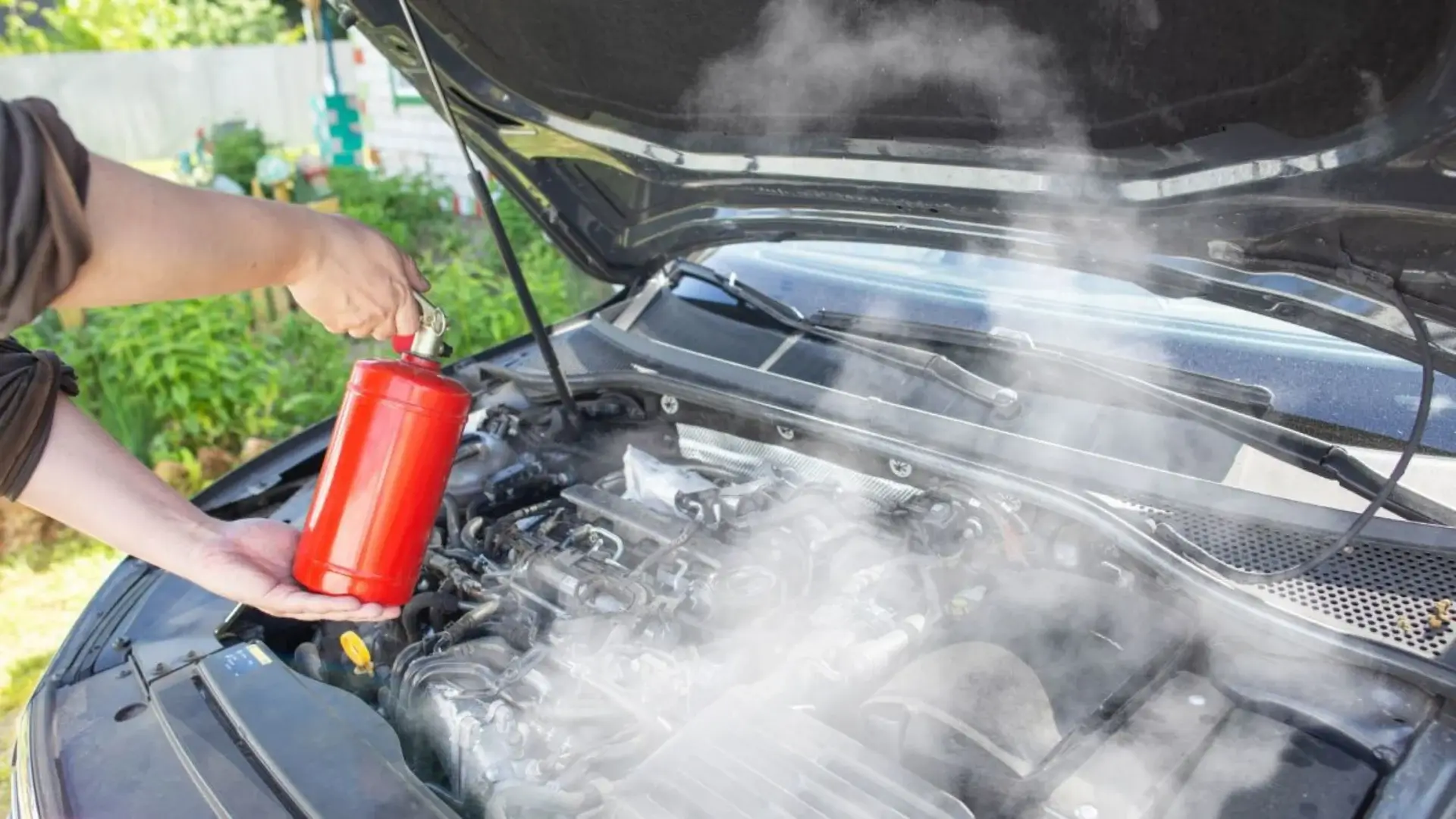
Engine overheating is the most frequent but least understood problem encountered by drivers worldwide. Be it hot weather, traffic congestion, or driving long distances on highways, the need for knowing car overheating causes is crucial in order to prevent expensive repairs and untimely breakdowns of your car. During depth analysis, I found out that car overheating never happens by chance, it is always a symptom of something else.
Understanding How Engine Cooling Works
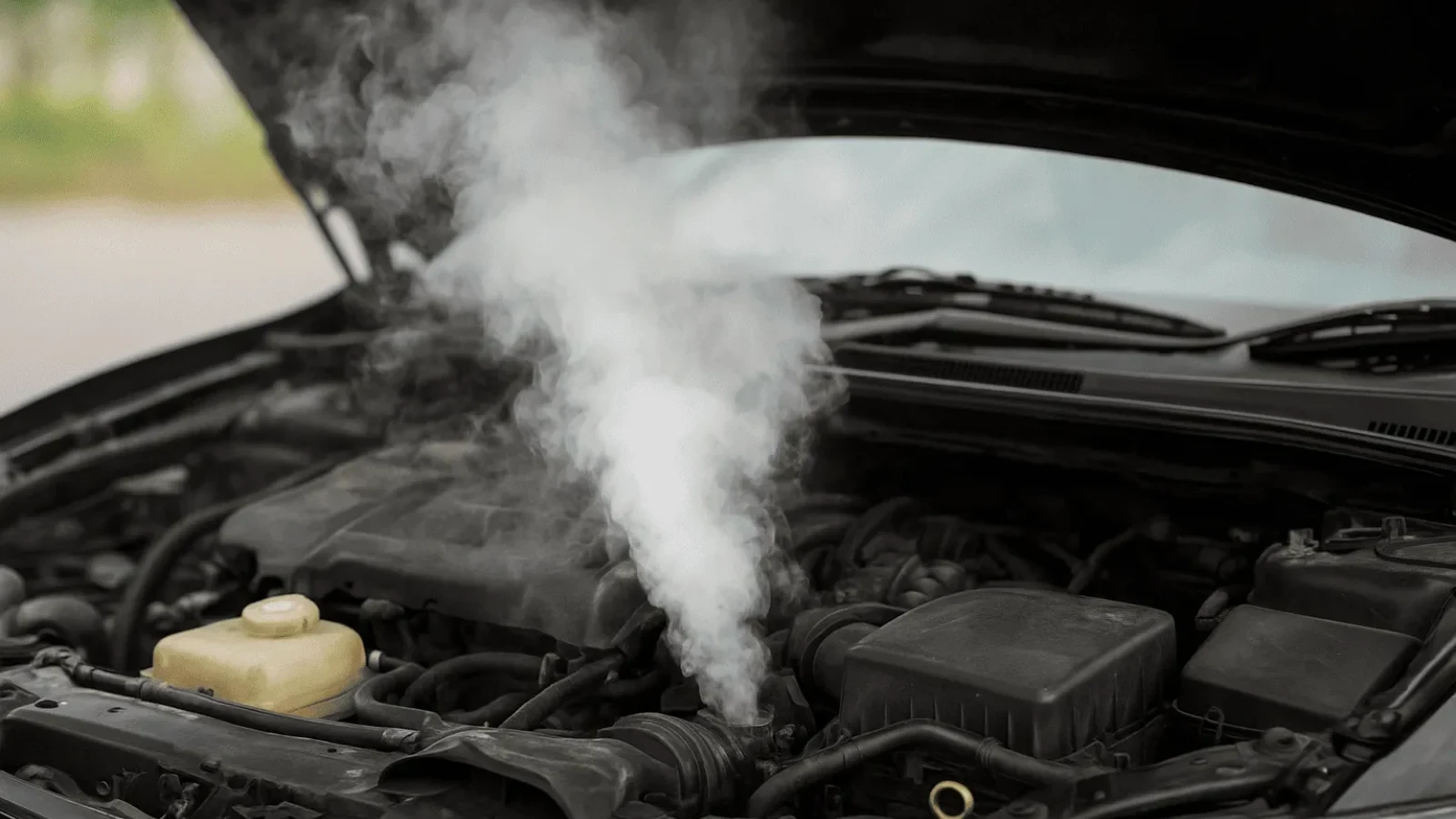
Engine operation is performed under a controlled temperature range (usually at 90°-105°C). Engine cooling is accomplished using the cooling system, which consists of coolant, radiator, thermostat, and water pump. In case of any malfunction of the engine cooling system parts, the heating becomes more rapid than cooling.
In practice, with respect to the actual ownership in countries that have high temperature environments or traffic congestion, small oversights such as not checking the coolant will quickly lead to engine problems.
Most Common car overheating causes
Now, here we analyze the factors that cause engines to overheat using global automotive information and practical experience from workshops.
Low Coolant Levels
One of the most frequent car overheating causes is insufficient amounts of coolant or coolant loss. The coolant acts as a heat absorber that transfers heat from the engine to the radiator. Inadequate quantities of the coolant can make it impossible to control heat effectively.
This often results from low coolant level issues, usually caused due to various reasons, like leaking, evaporation, and improper maintenance. In many cases, people pay no attention to minor leaks until the engine overheats.
Cooling System Leaks
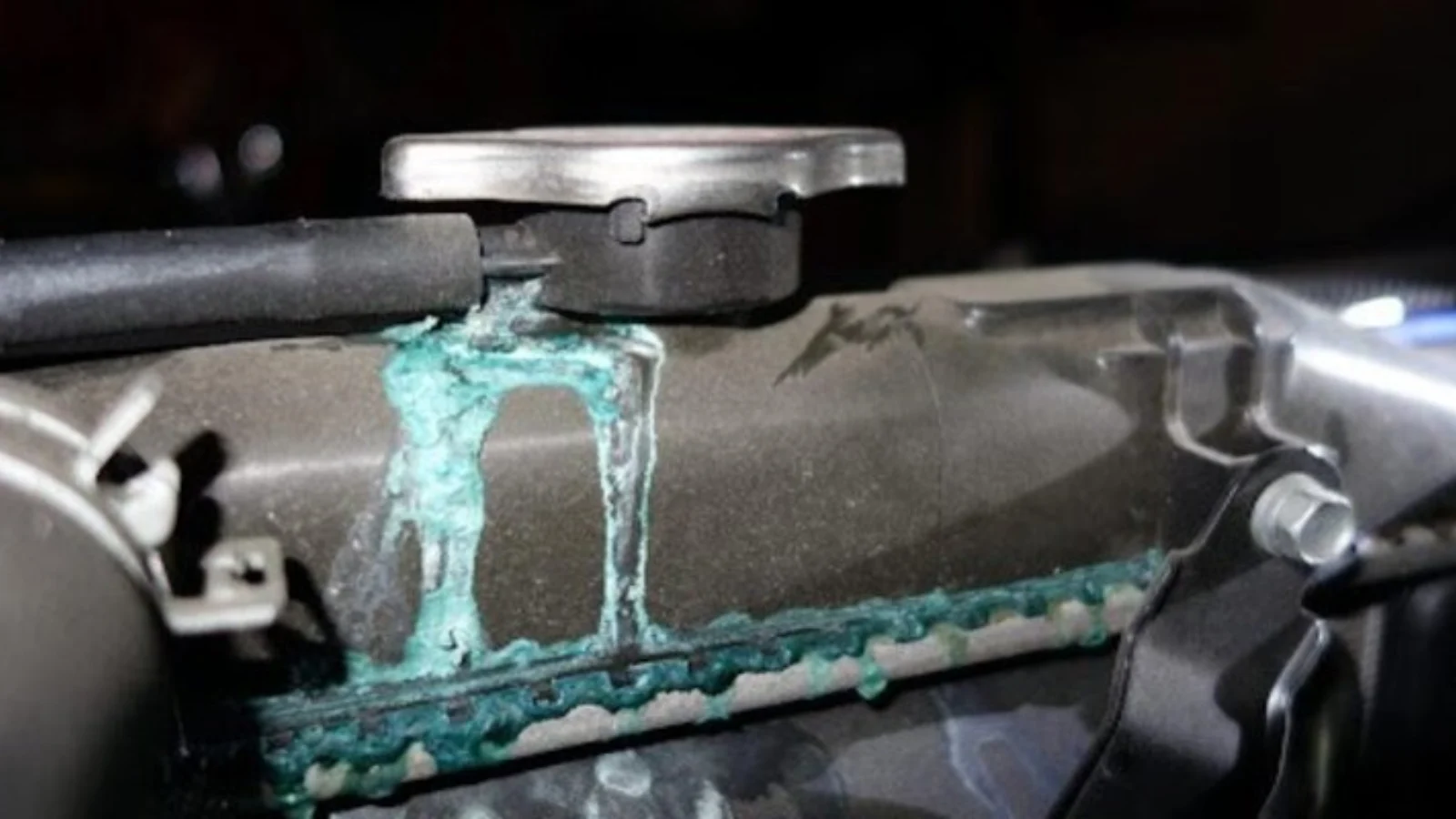
Leaks in the hoses, radiator, or water pump will influence the pressure and the flow of fluid in the cooling system. Even a minor leak will interfere with cooling effectiveness, causing overheating within minutes.
This is an integral aspect of other system cooling problems that become progressively worse.
Faulty Thermostat
The thermostat controls coolant flow. In case of malfunction, particularly when it is closed, the coolant will not flow, resulting in overheating.
Common signs of faulty thermostat symptoms are unexplained increases in temperature and uneven engine heating.
Radiator Malfunction
If your radiator not working properly, then you will have difficulties releasing heat. It could be because of clogging, corrosion, or damage to the cooling fan.
From personal experience, it is evident that radiator problems are mostly experienced by old cars or poorly serviced ones.
Water Pump Failure
The water pump moves coolant around the engine block. In case of its malfunctioning, no coolant passes through, thus overheating takes place within a few minutes.
This is one of the most important engine overheating reasons that may need urgent repair.
Low Engine Oil
Engine oil lubricates to reduce friction and heat. Due to low supply of oil, there will be more friction, hence heat production in the engine is higher.
Not strictly a component of the cooling system, but still important in causing overheating.
Blocked Radiator or Hoses
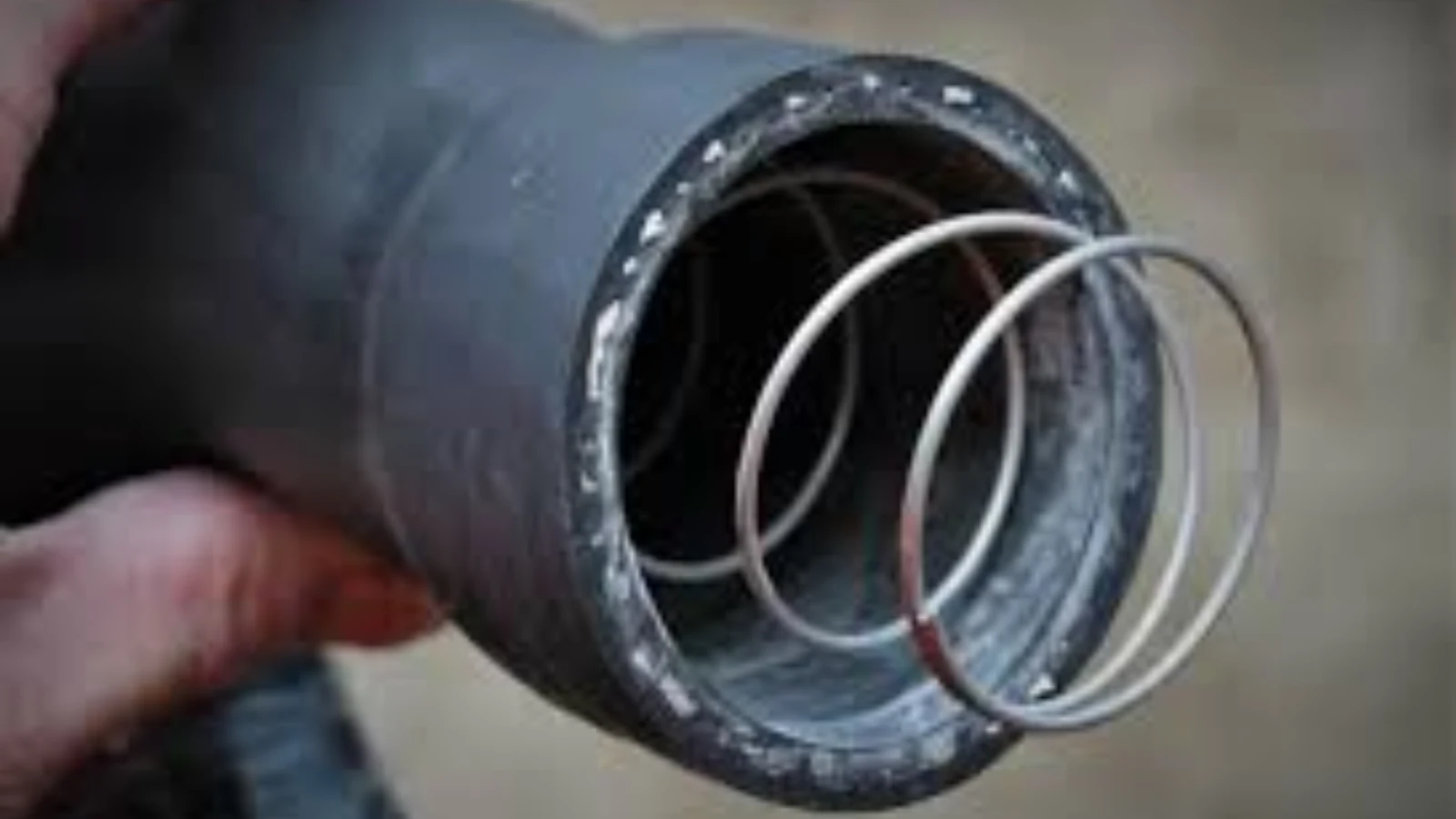
The blocking of coolant circulation can be hindered by things such as debris, rust, or sludge.
This is a hidden yet important issue in many reasons why common causes of engine overheating.
Cooling Fan Failure
In cases of lower speeds or traffic, the radiator fan is crucial. When it does not function properly, the rate of cooling becomes slow, and heat builds up rapidly.
This happens particularly when one drives in a city setting.
Car overheating causes in sudden situations
Many drivers wonder, "Why is my car overheating suddenly?"
In actual practice, when a vehicle suddenly overheats, the most likely causes include:
Sudden leakage of coolant
Failure of thermostat
Belt failure or broken water pump
Electrical failure of radiator fan
These are not conditions that gradually develop but rather those that suddenly fail.
Warning Signs You Should Never Ignore
Identifying signs of car overheating symptoms early can prevent your engine from sustaining irreparable harm.
Some of the common symptoms of car overheating include:
Rising temperature gauge or engine temperature warning light
Presence of steam under the bonnet
Burning coolant odor
Knocking sounds from the engine
Ignoring these symptoms may cause head gasket damage or engine lock-up.
How to Fix Overheating Car Issues
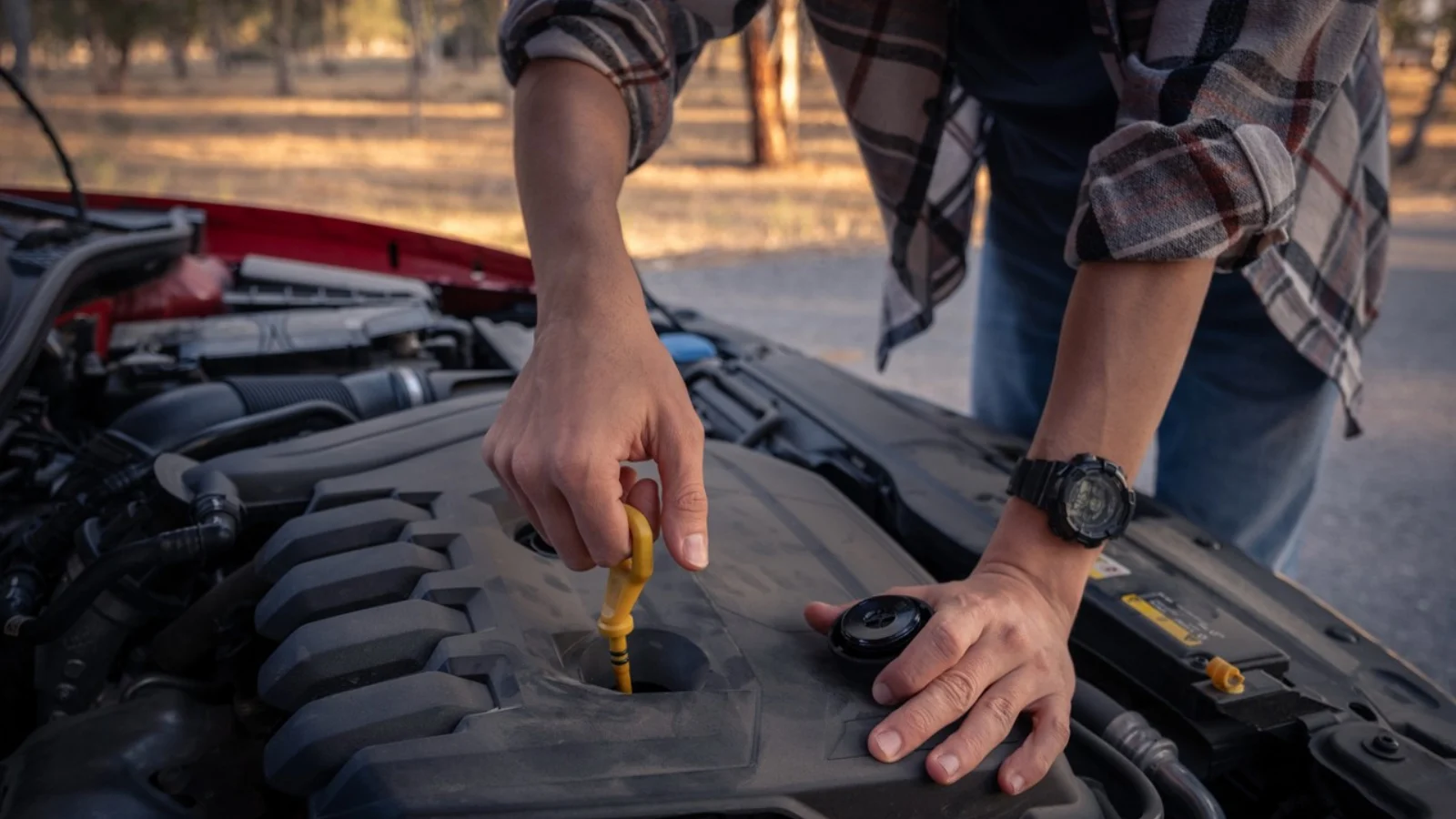
Knowing how to fix overheating car in your vehicle begins with figuring out what the actual problem is. Here's one expertly crafted plan of action:
Immediate Response (Emergency Case)
Pull the car over and switch off the engine
Allow the engine to cool down fully
NEVER remove the radiator cap when still warm
Examine the coolant level once cooled
Simple Fixes You Can Perform
Add coolant (Temporary Fix)
Check for any leaks
Check radiator fan performance
Check temperature gauge
Advanced Fixes (Highly Recommended)
Check pressure in coolant system
Change thermostat
Flush or replace radiator
Fix water pump
Inspect hoses and belts
Based on personal experience, it will cost you thousands to repair an overheating problem that was ignored.
Real-World Ownership Insights
In practice, overheating problems occur more frequently in:
Vehicles that are old (more than 5 years)
Vehicles that are not well-maintained
Vehicles operating in harsh conditions
Vehicles frequently trapped in traffic
Advantages of Early Diagnosis:
Engine protection from any damage
Money-saving
Increased life span of the vehicle
Disadvantages of Overlooking Engine Overheating:
Engine breakage
High cost of repair
Hazards while driving
A genuine remark: Most people consider engine overheating a one-off case, but in most cases, it is usually an ongoing problem if not rectified.
Prevention Tips for Long-Term Reliability
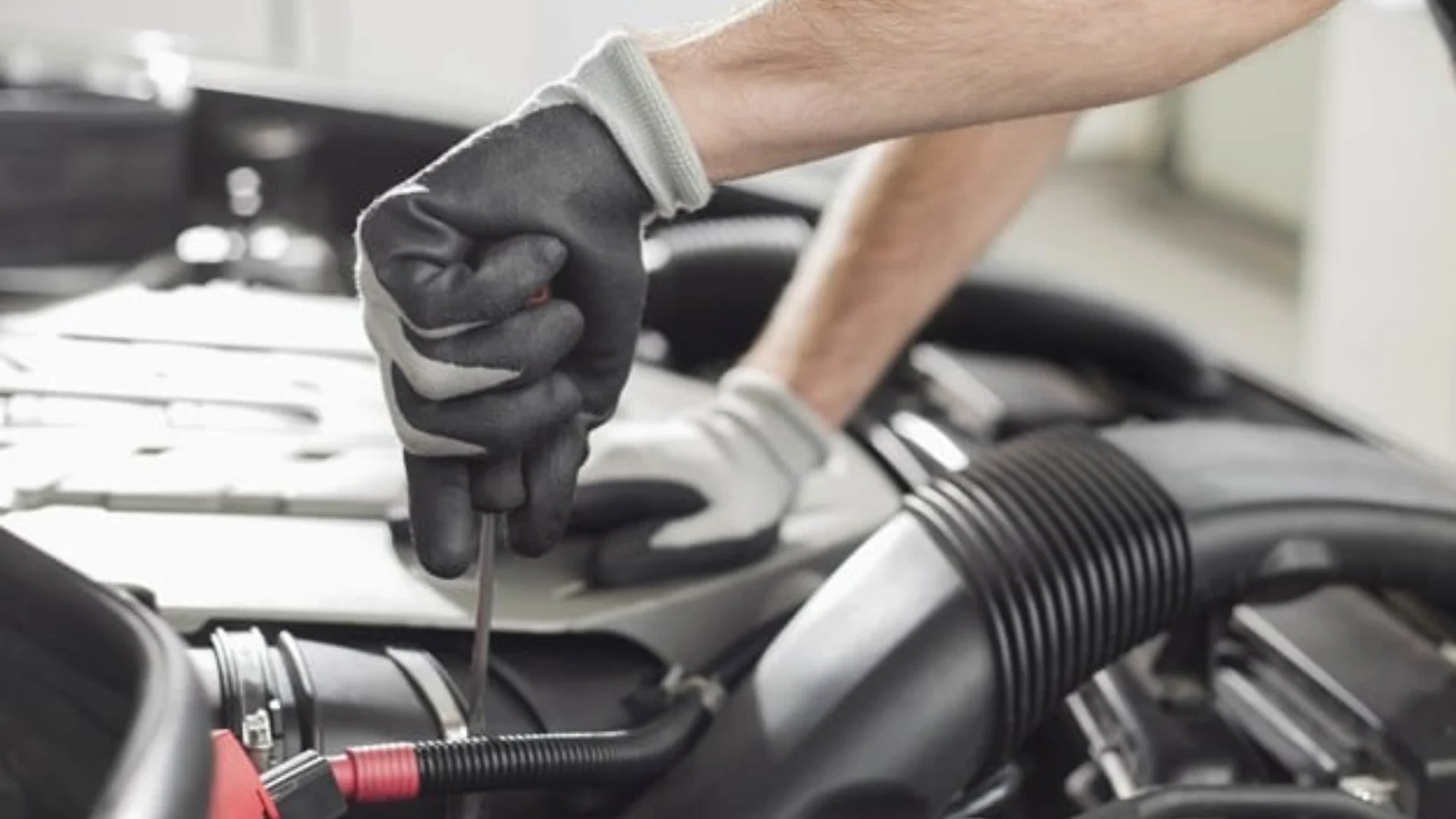
The process of preventing the car overheating causes is much simpler compared to solving them. Here are some proven methods recommended by professionals:
Always inspect your coolant
Use coolant as recommended by the manufacturer
Maintain your radiator and cooling system on a regular basis
Perform preventive maintenance on your thermostat and water pump
Check the temperature gauge when driving for extended periods
Maintaining your vehicle properly is the only method that can save you from overheating.
Final Thoughts
Knowledge of the causes of car overheating goes beyond solving an issue, it involves avoiding engine damage. Whenever there is overheating, it implies that something is wrong with your cooling system.
And Here’s The Conclusion
Problems related to car overheating usually result from malfunctioning of the cooling systems. Regular maintenance and repair work can help prevent damage to your engine.
Learn More at EraEase
Get your daily dose of expert-curated information and knowledge about vehicles and much more. EraEase provides you with the best knowledge and information through insightful articles and well-researched content.
FAQ’s
What are the main reasons a car overheats?
The most prevalent causes of overheating are insufficient coolant fluid, radiator problems, failure of the thermostat, faulty cooling fans, and malfunction of the water pump.
Can I drive a car after it starts overheating?
Operating a car that has overheated poses a great danger since its engine may get damaged. The best thing is to safely pull over and allow it to cool.
How do I know if my radiator is failing?
Failure signs for a car radiator consist of leakage, overheating of the engine, steam coming out from the hood, and poor cooling ability.
How often should coolant be replaced?
In most cases, replacing radiator coolant occurs after two to five years, based on the manufacturers’ instructions.
Does engine oil affect overheating?
Indeed, low engine oil and old engine oil lead to increased friction and higher temperatures within the engine, which may result in the problem of overheating.

About

EraEase brings practical guides on travel, automotive, e-commerce, and education, helping you simplify choices and make smarter decisions.




Newsletter
Subscribe now to stay updated with top news!
Subscribe to our newsletter and be the first to access exclusive content and expert insights.
By clicking the Subscribe button, you acknowledge that you have read and agree to our Privacy Policy and Terms & Conditions