How Self Driving Car Technology Works and Benefits Explained 2026
Explore self-driving car technology, how autonomous vehicles work, their benefits, challenges, and the future of smart transportation.
Prabhat Bhagat
Automobile Industry Analyst with 5+ Years of Experience in Vehicle Reviews and Market Trends.
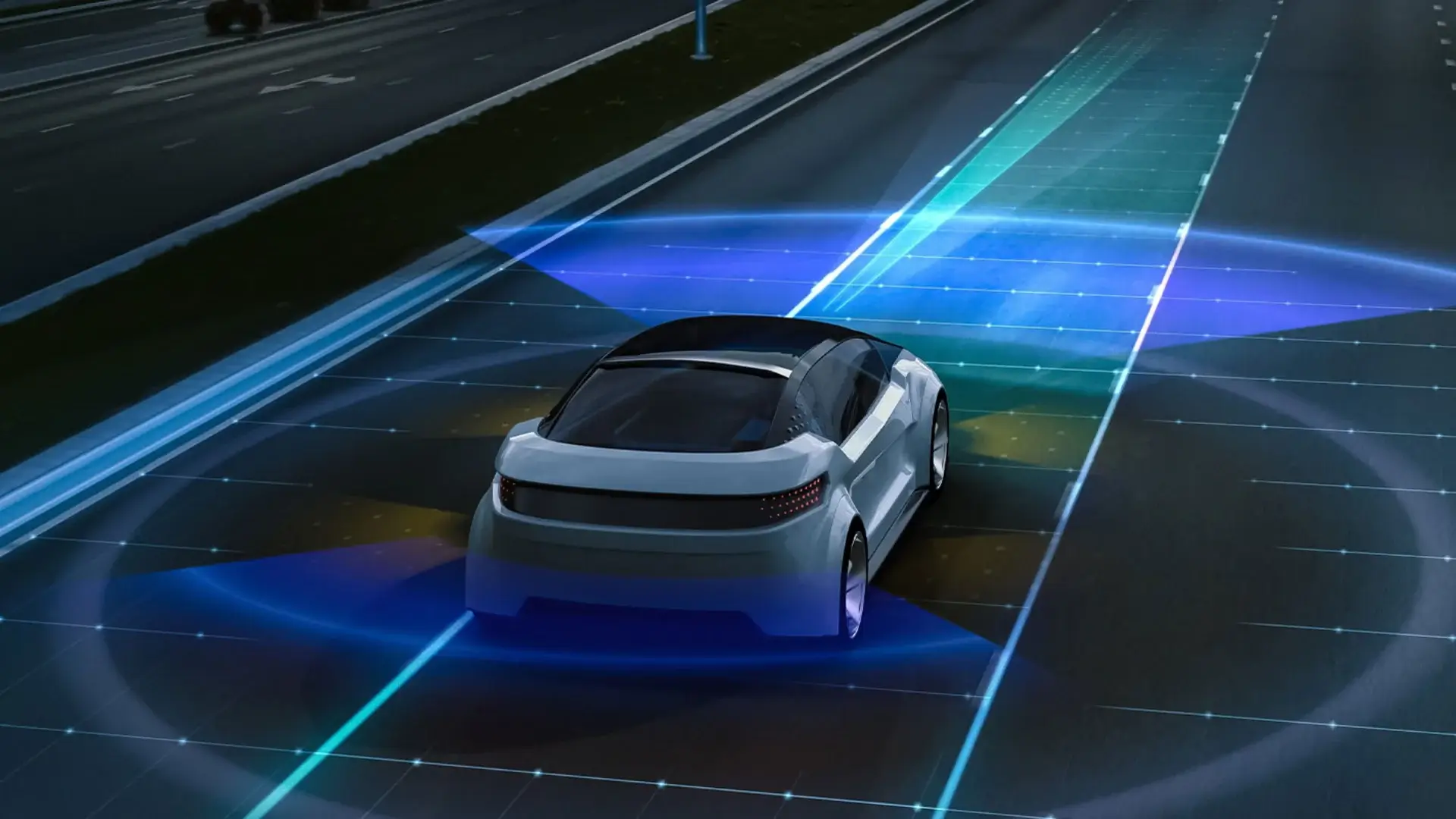
The emergence of self-driving car technology in 2026 can be described as the greatest technological revolution in transportation across the globe. From its conception as science fiction to its realization as a reality, autonomous vehicles have gone through testing and even commercialization through various companies in many countries around the world. There are continuous innovations in terms of intelligent decision-making algorithms and safety measures in this industry despite some issues like safety, regulations, and scalability.
The following blog post discusses the impact of self-driving cars in the automobile industry and how they work, as well as the future potential of such cars.
What does it mean in 2026?
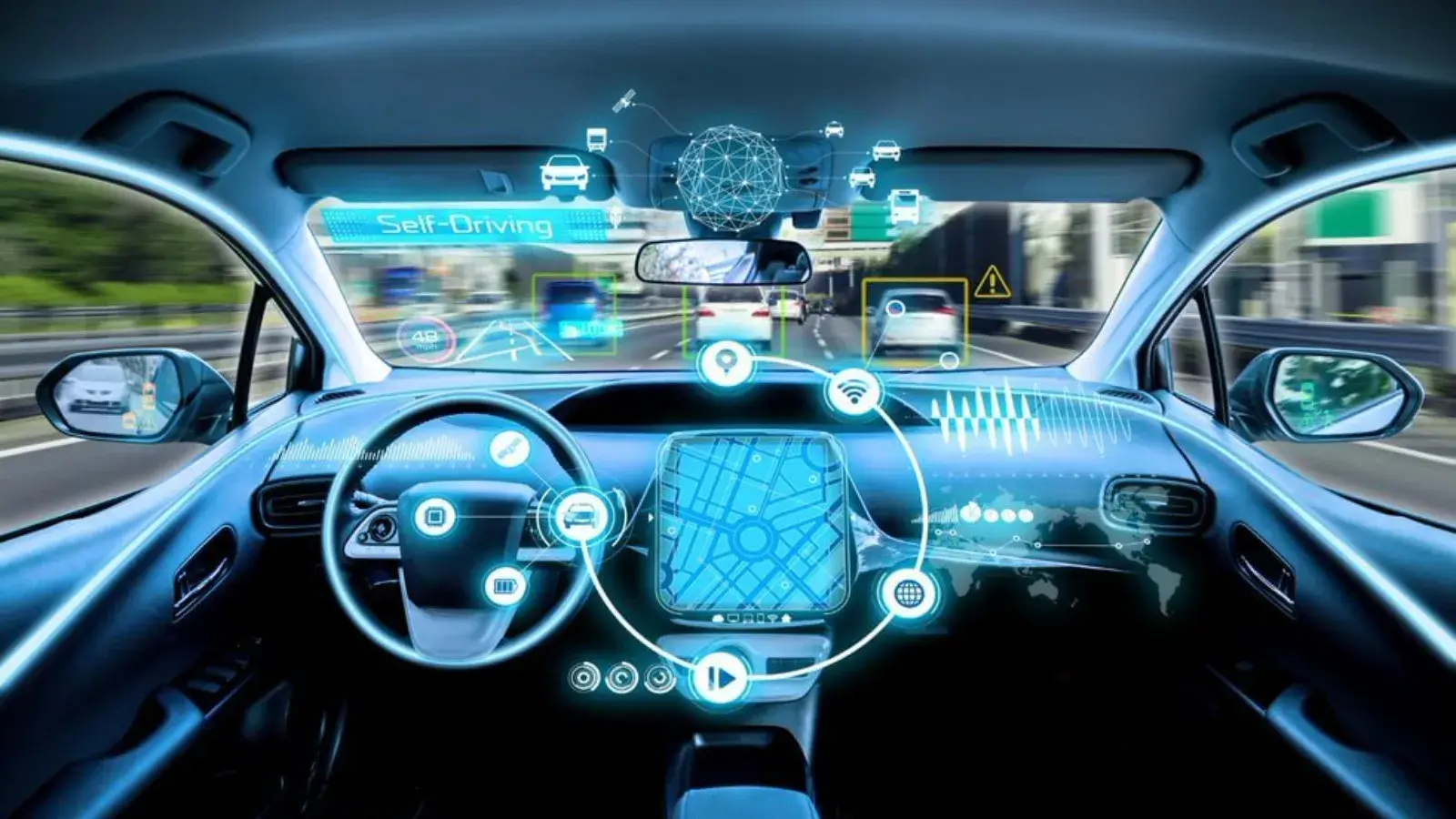
In itself, the concept of self-driving cars implies automobiles that can be operated without any intervention by humans, using the software of computers and artificial intelligence systems. The vehicle can assess its environment and make movements based on its decision-making abilities.
Two main divisions within the industry are expected to emerge by the year 2026:
Segment | Description | Usage |
Advanced Driver Assistance Systems (ADAS) | Partial automation with driver supervision | Passenger vehicles |
Autonomous Systems (Level 4) | High automation in controlled environments | Robotaxis, logistics |
Currently, most cars fall within the range of automation from Level 2 to Level 4, which requires human interaction.
Self-driving car technology 2026 updates
The latest self-driving car technology 2026 update shows us what a practical yet hopeful future looks like. Self-driving cars aren’t a mere experiment anymore but operate on a limited scale via robotaxis and fleets.
Important advances include:
Key Development | Impact |
Rise of robotaxis | Urban mobility transformation |
Advanced AI reasoning | Better decision making |
Level 2+ adoption | Wider consumer reach |
Investments by tech & auto firms | Faster innovation |
But wider deployment continues to be hindered by legal regulations, lack of infrastructure, and public trust.
How self-driving car technology works
Understanding how self-driving car technology works needs to be understood through its three major processes, perception, decision making, and control.
Perception through sensors
Vehicles incorporate the following for sensing:
Visual Detection: Cameras
Distance Sensing: Radar
Three-Dimensional Mapping: LiDAR
Proximity Detection: Ultrasonic Sensors
The systems above consistently keep track of the surroundings and gather live information.
Artificial intelligence processing
The data is analyzed using artificial intelligence in cars, which allows for the identification of objects, prediction of movements, and estimation of potential risks. AI systems will be able to recognize pedestrians, traffic lights, and even predict collisions.
Decision and control
After studying the surroundings, the following decisions are made by the system:
Whether to speed up or slow down
How to steer the car
Which path to take
These decisions are implemented using automated control systems and hence do not require human intervention.
Role of autonomous vehicle technology in modern transportation
Autonomous vehicle technology is changing how transportation operates throughout the globe. Autonomous technologies have been integrated by both government and corporations into urban transport systems.
Some applications include:
Application | Example Use |
Robotaxis | Urban passenger transport |
Autonomous trucks | Long-distance freight |
Smart traffic systems | Connected city infrastructure |
The revolution is expected to change the urban landscape by eliminating traffic and enhancing the efficiency of transport.
Machine learning in self-driving cars
Another vital part of today’s systems is machine learning in self-driving cars. Machine learning is different from ordinary programming since it enables cars to learn from large data sets.
They do the following:
Analyze millions of driving situations
Adapt to changing environments
Increase object detection and navigation accuracy
AI technology allows the car to tackle various and challenging road conditions by becoming increasingly intelligent each mile.
Sensors and cameras in autonomous cars
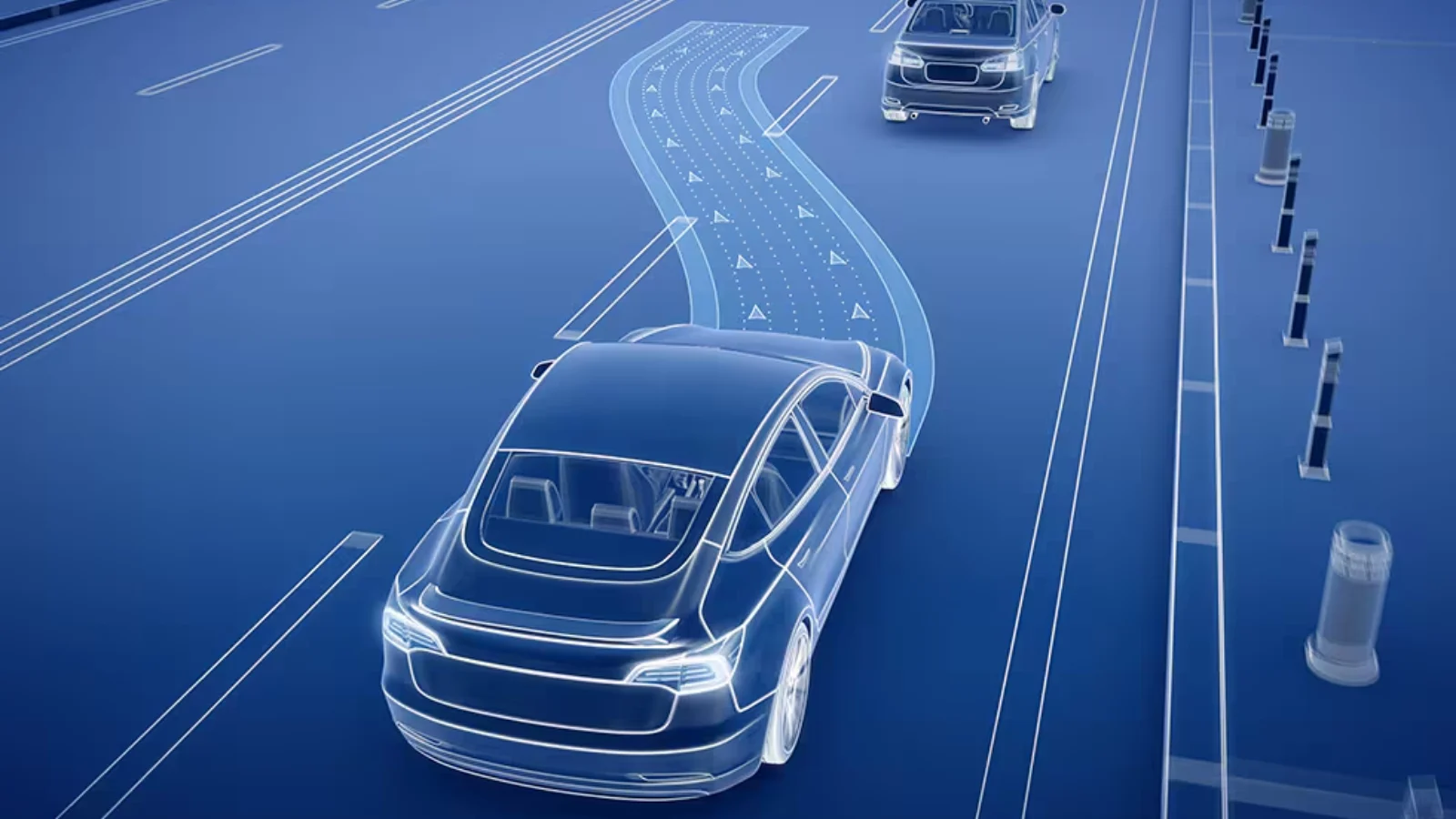
The role of sensors and cameras in autonomous cars cannot be emphasized enough, as they serve as the eyes of the car that can see what is happening around them.
Today’s cars make use of sensor fusion, which combines information from different sources for better accuracy and redundancy. In this way, systems will still operate even when one of the sensors fails.
Driverless car safety systems
Safety still remains the key aspect in the designing of autonomous vehicles. Advanced driverless car safety systems aim at reducing potential threats and ensuring reliability.
Some of the important safety technologies include:
Autonomous emergency braking
Collision prevention systems
Driver attention detection systems
Backup systems
This equipment helps in decreasing human errors, which cause most of the traffic accidents worldwide.
Self-driving car technology in modern vehicles
Currently, the self-driving car technology in modern vehicles is becoming more readily available than ever before. Some of the self-driving technologies which can be found in modern cars, whether autonomous or not, include:
Feature | Benefit |
Adaptive cruise control | Maintains safe distance |
Lane-keeping assist | Keeps vehicle aligned |
Automatic parking | Simplifies parking |
All these capabilities illustrate the step-by-step process from human-operated automobiles to autonomous ones. Automakers have been incorporating these technologies in their products.
Benefits of self-driving car technology
The benefits of self-driving car technology are not limited to mere convenience. These technologies can revolutionize transport in many ways.
Road Safety
Since autonomous systems eliminate human mistakes like distractions and fatigue, there is increased safety on the roads because fewer accidents result from human negligence and delayed human actions.
Improved Efficiency
By improving their driving pattern, self-driving vehicles ensure that traffic is minimized, thus saving time and reducing energy use.
Increased Accessibility
Self-driving cars will ensure that elderly people and those with disabilities enjoy their own freedom by being able to move around on their own.
Economic effects
The industry has the potential to produce billions of dollars worth of revenue and create job openings for workers in areas like technology and mobility.
Challenges facing self-driving car technology in 2026
In spite of fast development, self-driving car technology still has many issues:
Challenge | Description |
Complex traffic scenarios | Difficulty handling rare situations |
Weather conditions | Reduced sensor efficiency |
Cybersecurity risks | Data and system vulnerability |
Public trust | Hesitation in adoption |
However, the main challenge when it comes to self driving technologies does not lie in the installation of artificial intelligence in the vehicles, rather, it is ensuring their competence in all eventualities.
Self-driving cars in the future
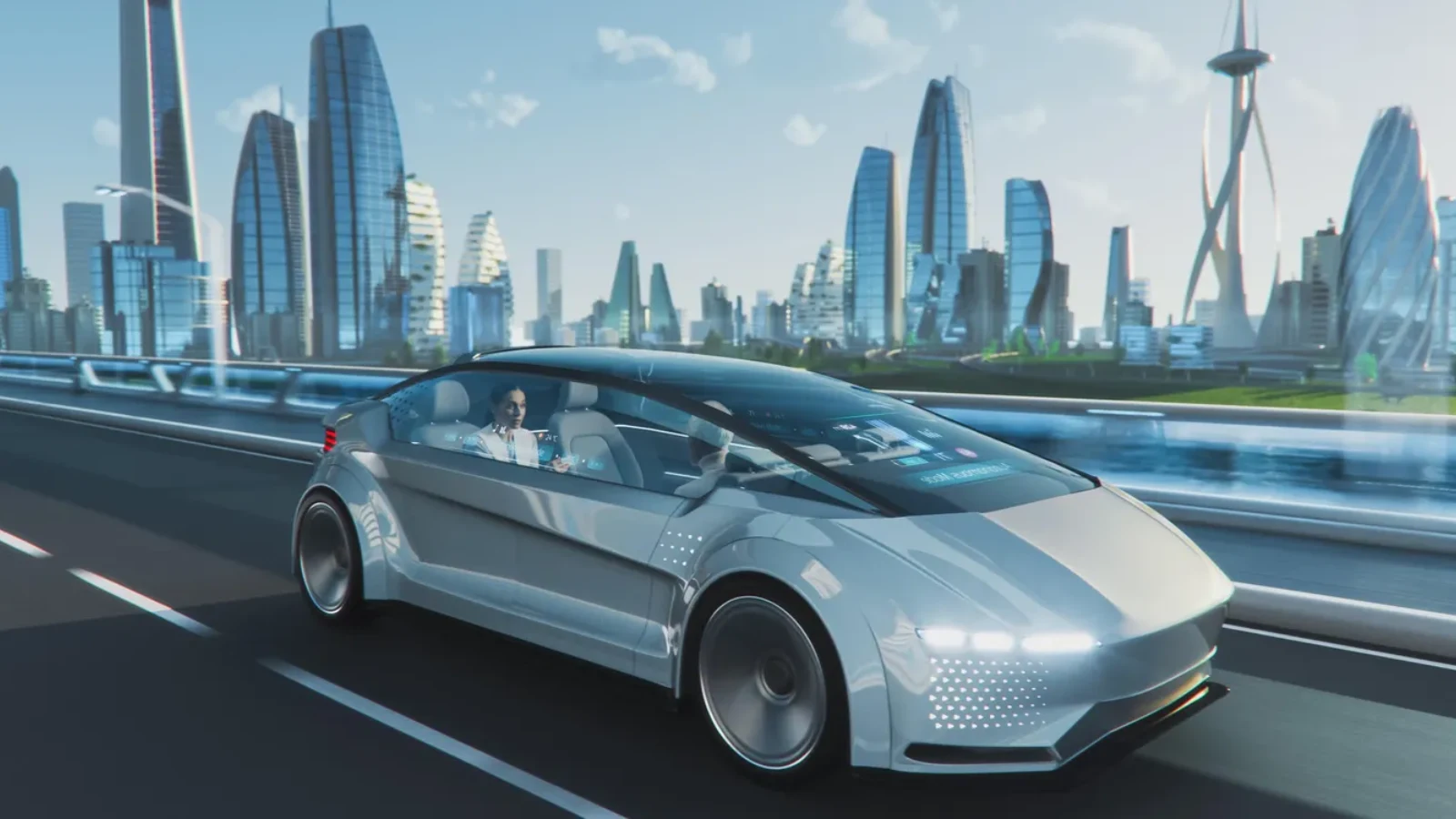
Future innovations in self driving car technology will be brought about by artificial intelligence, connectivity, and the infrastructure in place.
Expected trends will be:
Future Trend | Impact |
Level 5 autonomy | Fully driverless vehicles |
Smart city integration | Seamless transport systems |
Cloud-based updates | Continuous improvement |
Human-like AI reasoning | Better decision making |
As technology advances, self-driving cars will become more commonplace, revolutionizing mobility around the world.
And Here’s The Conclusion
Technology behind self-driving cars in the year 2026 has attained a highly developed state although it is still undergoing development. Even though it has not been embraced completely, self-driving cars have revolutionized the transport sector by offering new means of transport.
Discover Smarter Insights at EraEase
Keep yourself updated with EraEase, where you will get access to informative and lucidly written information across topics, aiding you in your daily quest for knowledge.
FAQ’s
What is self-driving car technology?
Self-driving car technology is an advanced technology incorporated into vehicles that utilizes artificial intelligence and computer programs to operate with little or no human interaction.
How safe are autonomous vehicles in 2026?
Automated cars feature modern day safety technology such as crash avoidance, automatic braking, and driver monitoring devices.
What technologies are used in self-driving cars?
The technology applied in autonomous vehicles in decision-making is LiDAR, radar, cameras, artificial intelligence, machine learning, and global positioning systems (GPS).
Are self-driving cars fully legal worldwide?
Regulation may vary across countries. Some places allow some degree of self-driving services, while others are yet to develop policies for more extensive implementation.
What are the biggest benefits of self-driving cars?
Autonomous vehicles have the capability of contributing to safety on the roads, reducing traffic, mobility for older and handicapped people, and effective transportation throughout the world.

About

EraEase brings practical guides on travel, automotive, e-commerce, and education, helping you simplify choices and make smarter decisions.




Newsletter
Subscribe now to stay updated with top news!
Subscribe to our newsletter and be the first to access exclusive content and expert insights.
By clicking the Subscribe button, you acknowledge that you have read and agree to our Privacy Policy and Terms & Conditions