Illegal Mods to Avoid While Having Car Modifications in India
Explore car modification in India, legal rules, custom upgrades, costs, and stylish ideas to improve your car’s performance and appearance.
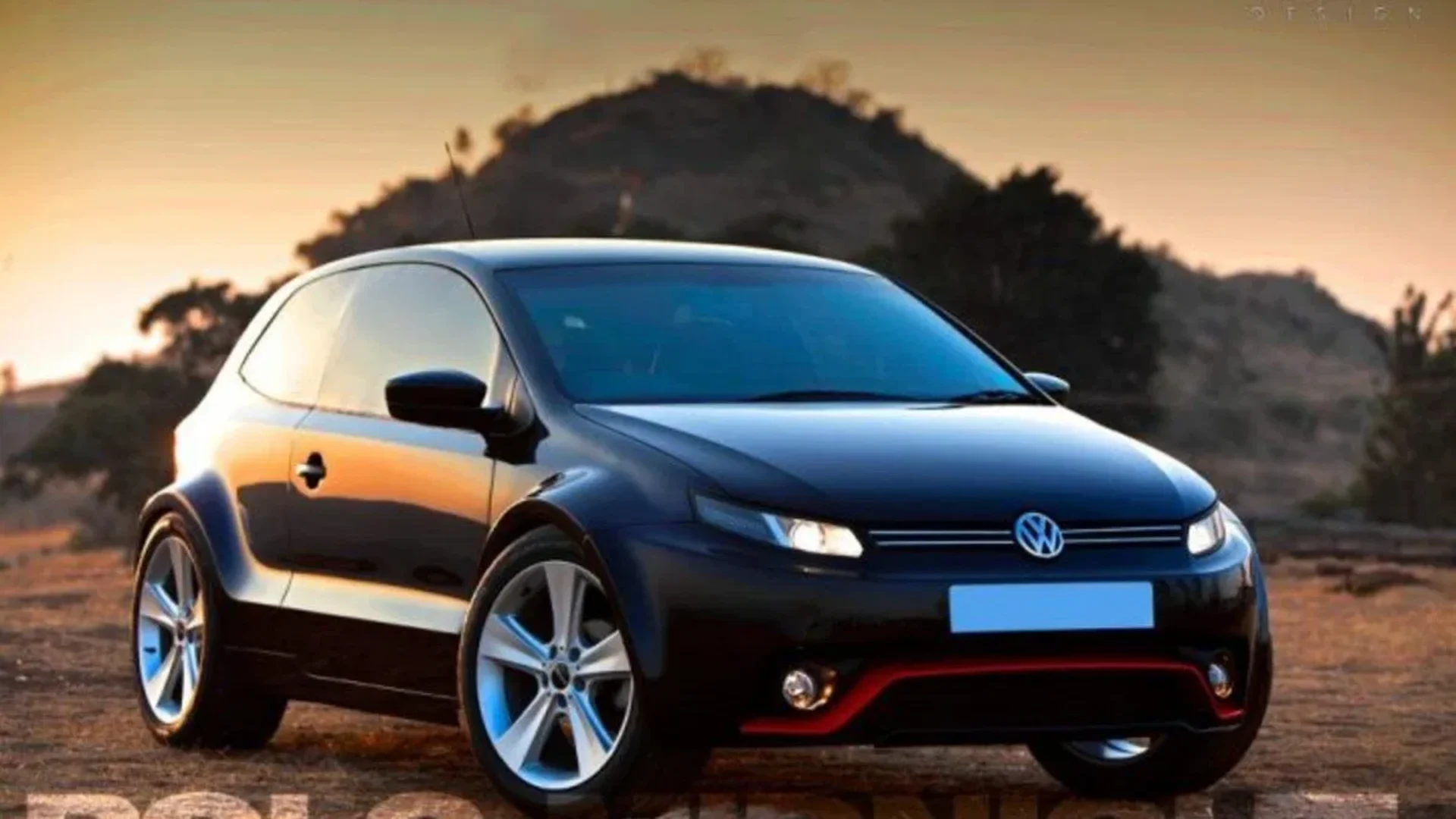
Car ownership often inspires people to personalize their cars for aesthetics, comfort, and good looks. However, it is important to know about all the legal issues involved in car modification in India before starting any work on the car. While car modification enhances the look of your car, sometimes it can become unsafe, go against insurance rules, and violate transportation laws.
Knowing what is permissible and what is not permissible will help you avoid costs and legalities. In case you are considering making any upgrades to your car, this article will tell you what things you shouldn’t be doing.
Why Laws Regarding Car Modification in India Matter
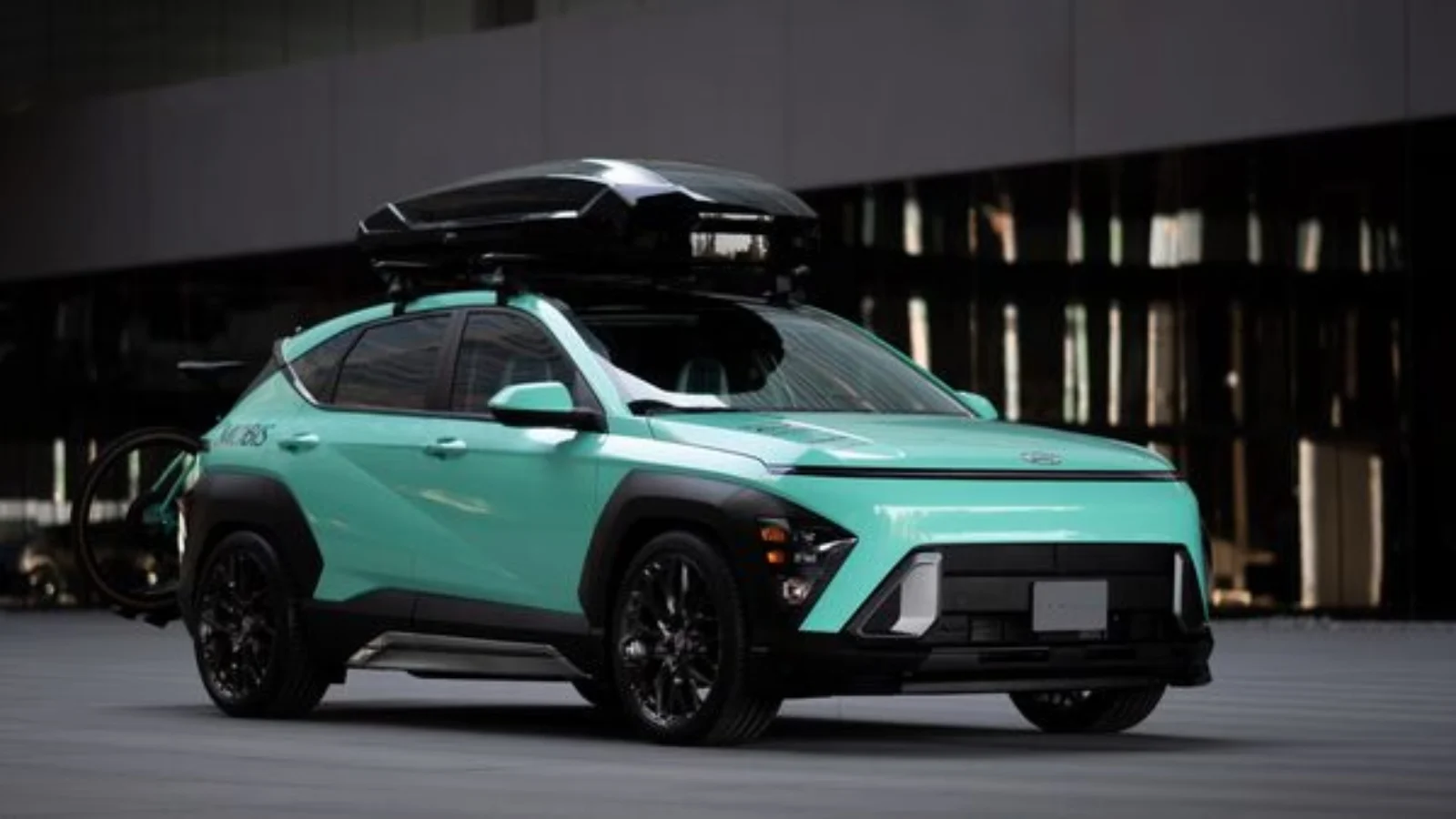
Indian authorities have introduced guidelines that cover modifications done to automobiles to ensure safety on roads, minimize pollution, and maintain structural stability. Improper modifications could cause accidents and make the car unsafe for its passengers and pedestrians. The law is mainly controlled by the MV Act Section 52 car modification guidelines, which prevent any change that deviates from the manufacturer's specifications.
Section 52 of the Motor Vehicles Act, 1988
In layman’s terms, Section 52 of the Motor Vehicles Act, 1988 implies that any alteration to the original characteristics of the vehicle which has been approved while registering the same cannot be made by its owner without obtaining any necessary approvals. Alteration here refers to changing the engine, chassis, fuel, structure of the body, seating capacity, and many more. The reason why such a law exists is to keep vehicles safe and roadworthy.
Covered Under Section 52 | Examples |
Mechanical Changes | Engine swap, turbo kits |
Structural Changes | Chassis cutting, body conversion |
Capacity Changes | Seating changes |
Fuel Changes | Petrol to diesel/CNG without approval |
This implies that owners must always ensure that their intended modifications fall within approved car modifications in India prior to any expenditure.
Illegal Tinted Windows
The violation of tinting laws through dark window films is one of the most prevalent forms of infractions. The laws governing tinted glass rules for cars India stipulate that the minimum standard for visibility should be maintained in both front and back windscreens.
Allowed visibility usually entails sufficient light transmission, and over-blackened windows may result in fines. For privacy considerations, opt for approved window glass from the manufacturer and not after-market tinting films.
Loud or Free-Flow Exhaust Systems

Many people fit loud exhaust systems for the purpose of enjoying a sporty sound. But all exhaust systems cannot be installed. Noise limitations and pollution norms must be followed. Failure to do so could result in getting challan and pollution test failure.
In case you are planning on installing any legal exhaust modification India, then make sure to use certified parts that adhere to emissions and noise regulations. Never remove your catalytic converter, nor install a straight pipe exhaust.
Unauthorized Engine Swaps and Turbo Kits
While increasing horsepower is quite thrilling, making modifications to the engine without authorization will render the car illegal. This will change the engine’s original performance specifications and brake balance.
The insurance company can deny any claim in case of an accident where the performance alterations are not disclosed. In the Indian market, engine alterations have always been among the most dangerous car modifications in India.
Structural Changes to Chassis
Chassis alteration through stretching, shrinking, cutting, or welding is strictly limited. Alterations affect safety performance and reduce roadworthiness. In some cases, owners modify hatchback vehicles to make them look like convertibles.
The modification generally breaks the modified car laws in India since the car frame was tested for safety in its original form only. Unauthorized changes can affect the safety of the car.
Oversized Tyres and Wheels
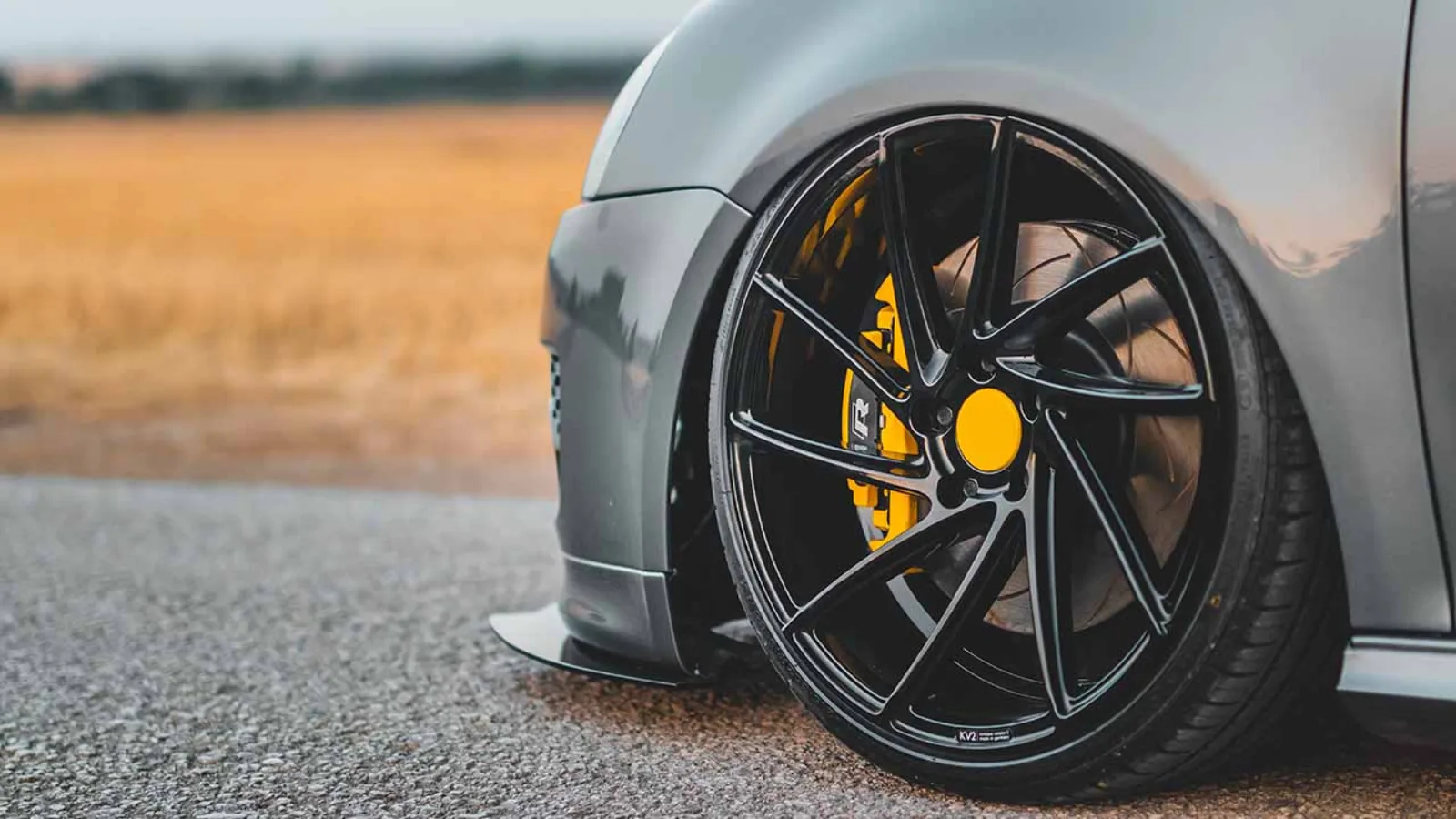
The use of bigger alloy wheels improves visual appeal, but their excessive size creates problems for suspension systems, brake systems, vehicle maneuverability, and fuel efficiency. The second problem arises from tyres that touch the vehicle body and move beyond the designated wheel arch space.
Always maintain manufacturer-recommended dimensions. Responsible wheel changes are much more sensible than irresponsible aesthetics to car modifications in India which affect performance.
Flashing Lights and Fancy Lamps
For private vehicles, blue, red, strobe, or emergency lighting is not permitted. These colors are typically used for emergencies or by the government. In addition, excessive brightness of headlights may cause other drivers to be blinded.
Decorative underbody lights may even draw police notice if distracting while driving on public roads. Verify car customization rules India before upgrading lights.
Altered Number Plates
Fancy fonts, hidden plates, tilted plates, and cover plates may look flashy on the web, but they could land you with a fine. The license plate must maintain its required readability standards according to established specifications.
Smart vehicle ownership requires drivers to follow fundamental compliance requirements instead of pursuing temporary trends which violate Indian laws for modified car rules India.
Suspension Lowering or Excessive Lift Kits
Lowered suspension systems or lifting kits will have an effect on the ride quality and performance of the vehicle. Improperly installed or poorly designed suspension systems can be harmful to other components of the car's body.
While there are professionally designed kits available worldwide, extreme variations in ride height are not possible in India due to poor road conditions. Properly maintaining one’s suspension system is far better than aggressive car modifications in India that endangers safety.
Horns Beyond Permitted Limits
Both pressure and multi-toned horns are commonly abused horns. Noisy horns constitute noise pollution and also disrupt pedestrians, cyclists, and citizens. Many cities launch crackdown operations to deal with unlawful horns.
Always use horns manufactured according to the rules.
Colour Changes Without Updating Registration
The need to repaint a car in a totally different color might demand informing relevant authorities. This may lead to difficulties in proving ownership when the color of the car is described as white but in reality is matte black.
When modifying a vehicle, always follow RTO rules for car modification for any change in the paint color to a significant extent, particularly in terms of full body wraps or changes of color.
What Modifications are Usually Safer?
However, not all modifications are harmful. When adequately carried out, numerous sanctioned legal car modifications in India prove quite worthwhile, such as:
Safer Modifications | Benefit |
Infotainment system | Better entertainment/navigation |
Reverse camera | Easier parking |
Dash camera | Safety evidence |
Seat covers | Cabin protection |
Approved alloy wheels | Better appearance |
Quality tyres | Improved grip |
The upgrades listed here create convenience for users, but they operate within the boundaries of car customization rules in India.
How to Modify a Car Legally
Prior to any alteration or modification, consider the following steps:
Refer to the owner’s manual on recommended accessories.
Refer to authorized dealerships or workshops.
Check to see if you need to have an RTO approval.
Inform the insurance company in case of any changes.
Make sure the records are properly kept.
Verify that all emission and safety standards continue to be met.
Following all these will ensure that you minimize any risk associated with car modifications in India.
Penalties for Illegal Modification
Depending on the illegal car customization in India, penalties could range from:
Violation Result | Possible Consequence |
Illegal tint/exhaust | Traffic challan |
Structural changes | Removal order |
Undeclared mods | Insurance rejection |
Serious violations | Vehicle seizure |
This is why it is often better to understand the laws before making modifications rather than solving issues after committing them.
Conclusion
Upgrade your vehicle fashionably but remember that safety and legality take precedence above all else. Opt for legal changes and ensure you are following the laws. Smart modifications in cars in India benefit car owners without incurring any fines or disputes.
FAQ’s
Which car is best to modify in India?
Some of the best choices are Maruti Swift, Honda City, Hyundai I20, Volkswagen Polo, and Mahindra Thar because they have excellent after-market support and affordable parts.
How to get RTO approval for modification?
File an application at the RTO in your city along with the RC, insurance, and all other information regarding the modifications made.
What modifications are allowed in cars?
Legal changes include those to infotainment systems, parking sensors, seat upholstery, approved alloy rims, new tires, and interior cosmetic changes.
Is stage 1 modification allowed in India?
Tuning stage one can raise legal problems when the car exceeds emissions and noise regulations. Please check your local laws and utilize legal tuning services.
What modifications are illegal in India?
Examples of illegal modifications may include tinted windows, exhaust modifications, engine modification, chassis modification, lighting modification, sirens, license plates modifications, and color modifications.

About

EraEase brings practical guides on travel, automotive, e-commerce, and education, helping you simplify choices and make smarter decisions.




Newsletter
Subscribe now to stay updated with top news!
Subscribe to our newsletter and be the first to access exclusive content and expert insights.
By clicking the Subscribe button, you acknowledge that you have read and agree to our Privacy Policy and Terms & Conditions